
CAUSES AND TREATMENTS FOR CHRONIC DRY SKIN
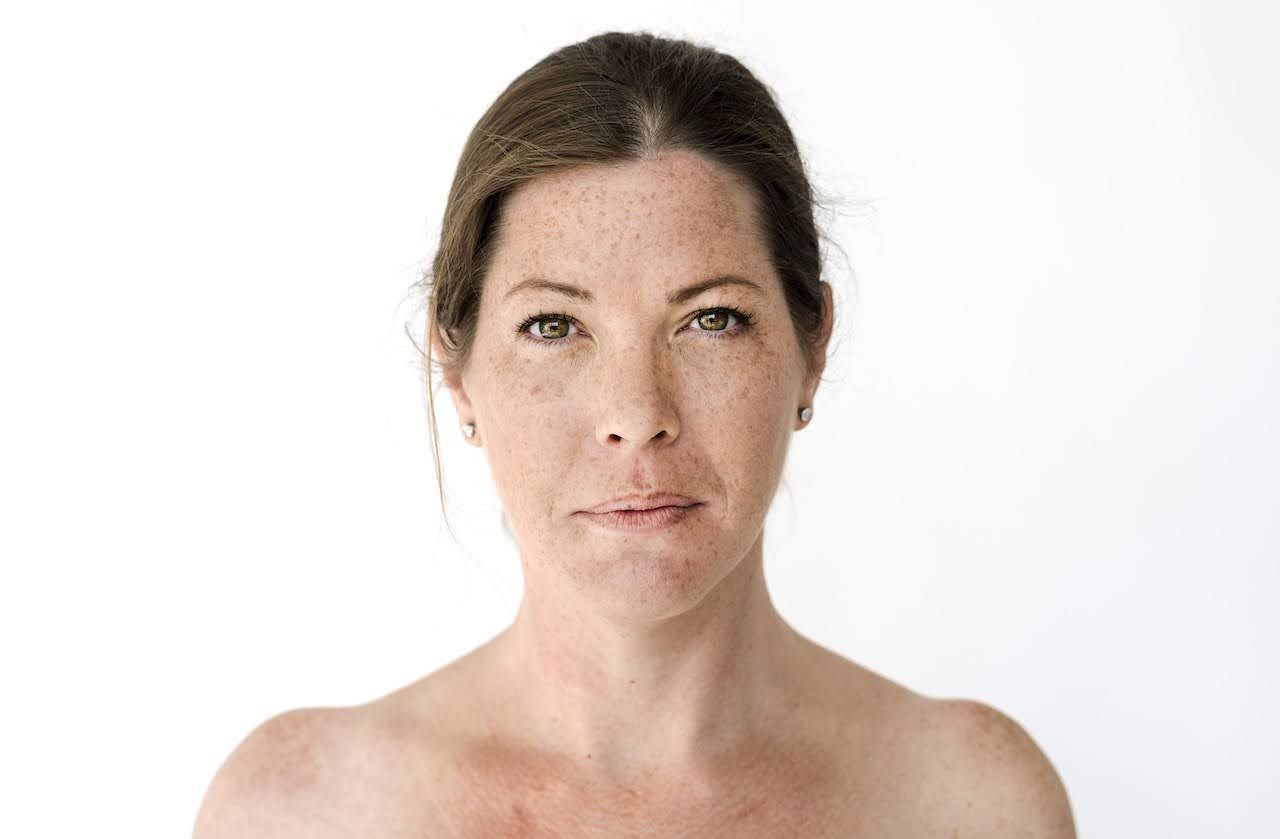
Most cases of dry skin are temporary and manageable, but chronic dry skin—xeroderma—can be a persistent and challenging condition that demands dedicated care. To help your clients find relief, let’s delve into the causes of dry skin and useful in-clinic treatments.
CHRONIC DRY SKIN VS. OCCASIONAL DRYNESS
Occasional dryness is often caused by environmental factors, such as cold weather or excessive washing, and can be easily remedied with moisturizing products. But chronic dry skin, clinically referred to as xeroderma or xerosis, is a long-term condition that requires specialized care.
This condition is often a result of impaired skin barrier function that leads to significant water loss and dehydration. The key characteristics of chronic dry skin include tightness, flakiness, roughness, a dull appearance and, in some cases, itchy or inflamed skin. It's most typically found on the face, hands, legs, arms or feet.
THE CULPRIT: THE SKIN'S NATURAL MOISTURE BARRIER


The outermost layer of the skin, known as the stratum corneum, maintains skin hydration by creating a protective barrier against environmental irritants and moisture loss. This barrier is composed of tightly packed skin cells held together by lipids (ceramides, fatty acids and cholesterol). These lipids function like glue, binding the cells together to create a strong, protective layer.
When the skin's natural moisture barrier is compromised, or if there is a lack of these essential lipids, it can no longer effectively retain water. This is one of the primary causes of dry skin and a common factor of chronic skin conditions.
COMMON CAUSES OF DRY SKIN
Numerous factors can weaken the skin's barrier, resulting in chronic dryness and irritation. Some of the most common include:
- Environment: Harsh weather conditions like cold, wind and low humidity can strip moisture from the skin as well as excessive exposure to the sun or pollution.
- Internal Factors: Genetics and age determine your skin's natural ability to retain water.
- Skin Conditions: Issues such as eczema, psoriasis or dermatitis can disrupt the moisture barrier and make the skin more prone to dryness.
- Lifestyle: Overwashing, frequent use of harsh soaps or long hot showers can damage the skin's protective barrier over time.
- Diet and Hydration: Not drinking enough water or a diet lacking essential fatty acids can negatively impact skin hydration.
- Medication and Health Conditions: Certain medications or underlying health issues like diabetes or thyroid problems can lead to skin dehydration and dryness.
SYMPTOMS & INDICATORS
Is your client’s dry skin temporary or chronic? As a skincare professional, you are well-positioned to observe the signs and symptoms of xeroderma or xerosis during consultations and treatments. Some key indicators to look out for include:
- Dry, flaky patches, rough texture and tightness
- Redness, irritation and sometimes swelling or cracks
- Increased sensitivity, itching and potential infections from cracks or wounds
- Chronic skin redness, especially on the cheeks and hands
Many of these symptoms mimic other skin conditions like eczema, rosacea or psoriasis. The biggest difference is that chronic dry skin typically affects a larger area of the body and is not typically itchy or inflamed. Ask your clients about their lifestyle to compare it with common causes of dry skin, then monitor their progress over time to determine if chronic dry skin could be the underlying issue.
BEST IN-CLINIC TREATMENTS FOR DRY SKIN
While there’s no permanent cure for chronic dry skin, there are effective ways to manage and alleviate symptoms. As a skincare professional, you have access to powerful in-clinic treatments that can provide much-needed relief for your clients.
GENTLE CLEANSING
First and foremost, it's essential to avoid further damaging the skin barrier by using harsh or abrasive cleansers. For clients with chronic dry skin, start in-clinic treatments with our Mega Cream Cleanser. This gentle formula uses Calcium, Shea Butter, Vitamin E and Sunflower to effectively remove impurities without disrupting the skin’s natural hydration levels.
MOISTURE-RETAINING MASQUES
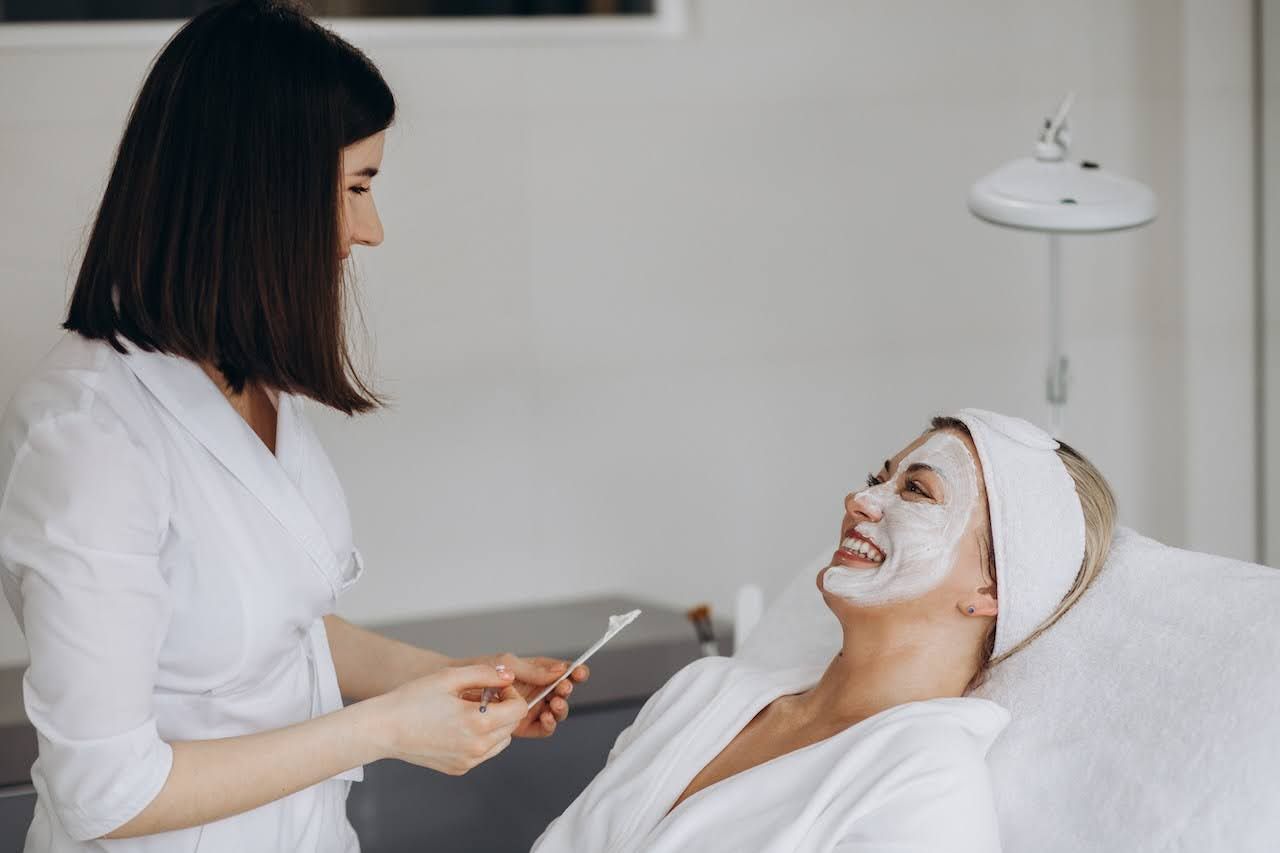

Masques that contain humectants like Hyaluronic Acid, Aloe Vera or Algae are great for locking in moisture and soothing dry skin. Our Hydrating Masque With Enzymes is a popular choice with these ingredients plus many antioxidants that help restore the skin's natural moisture barrier.
HUMIDIFICATION
Since inefficient water retention is the most common cause of dry skin, using steam or a humidifier during facial treatments adds moisture to the air and is highly beneficial.
This can be especially beneficial for clients with chronically dry skin who live in dry climates or spend a lot of time in air-conditioned spaces.
HYDRATING ADDITIONS
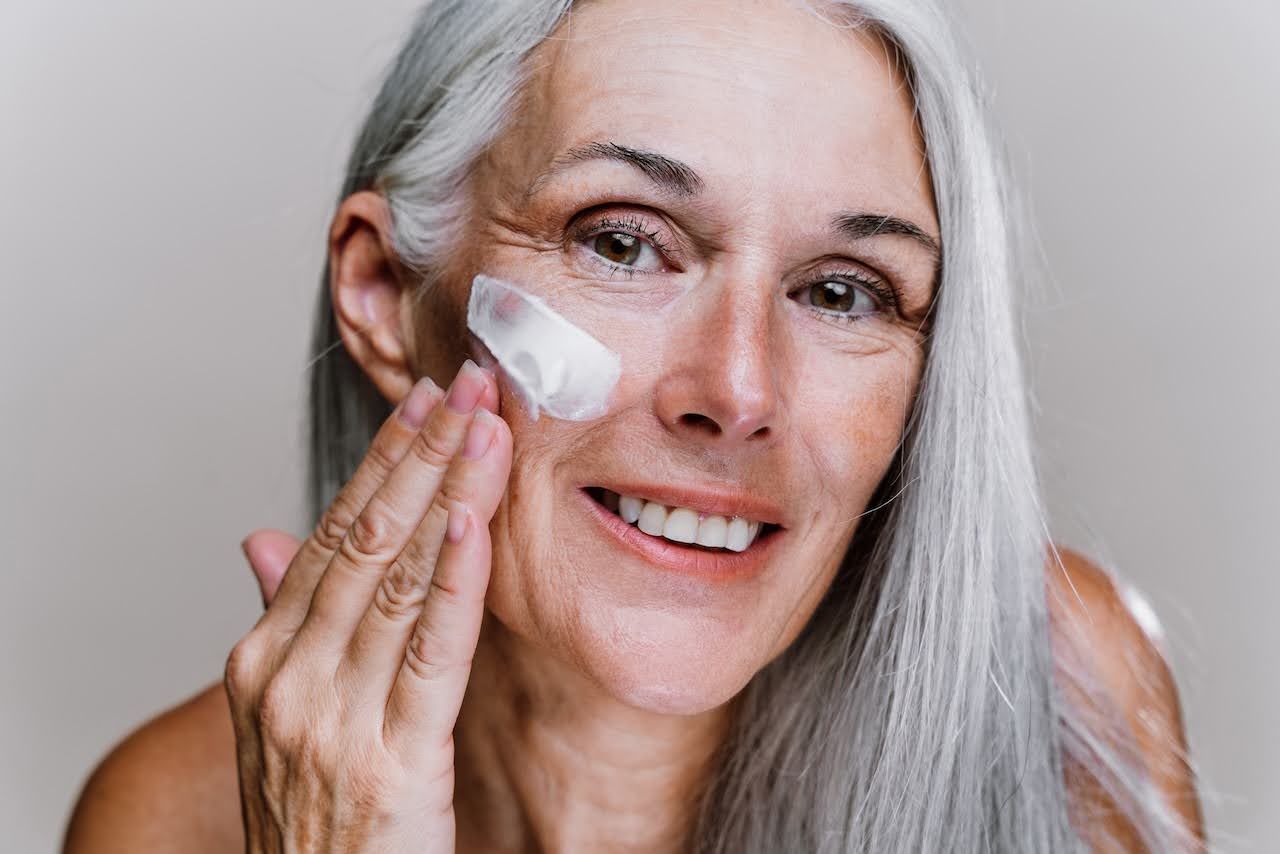

Clients with xerosis need extra hydration and protection. Build a regimen that includes hydrating serums and creams with ingredients like Ceramides, Hyaluronic Acid and Glycerin. These active ingredients help improve the skin's moisture barrier function and replenish lost hydration. Here are a few examples of professional products to add:
- Ultra Hydro Gel: This lightweight gel uses 10% Hyaluronic Acid to maximize hydration and leave the skin feeling plump and refreshed.
- Protective Skin Serum with Ceramides: This serum provides extra benefits when used after our Ultra Hydro Gel! It's rich in Ceramides and Antioxidants that nourish, protect and restore the skin barrier.
- Daily Repair Cream: Apply this deeply hydrating moisturizer after your serum. It contains a powerful blend of Antioxidants, Jojoba and Oat Beta-Glucan that are perfect for chronically dry skin.
Chronic dry skin can be a frustrating and uncomfortable condition for many clients. However, with proper care and personalized treatments, your clients can say goodbye to chronic dryness and hello to healthy, hydrated skin!
If you’d like to learn more about the cause of dry skin and how to manage it, we highly recommend joining our team as a GlyMed Pro to access our advanced aesthetic education courses. Gain knowledge, tools and resources that will vastly improve your skill set. As a highly educated skincare professional, you'll easily make a significant difference in your clients’ lives!
BECOME A GLYMED+ PROFESSIONAL
Like this content? Thousands of licensed skincare professionals have discovered the benefits of becoming a GlyMed+ Pro. Now's the time to join an elite group of estheticians dedicated to providing the best skincare services using the most effective products.
Click below to begin your GlyMed+ partnership and take your skincare business to new heights!
Become a ProSUPPORTING SKINCARE PROFESSIONALS
All GlyMed+ products are sold through licensed professionals to ensure product integrity and proper skincare instruction. As you work with a GlyMed+ Professional, you’ll receive personalized skincare treatments and home care regimens to help you achieve your skin goals.
Contact Your Local GlyMed+ ProFOLLOW US @GLYMEDPLUS
STAY CONNECTED
Enter your email to get the latest news, tips and deals straight to your inbox