
EARLY WARNING SIGNS OF SKIN CANCER THAT YOU NEED TO KNOW
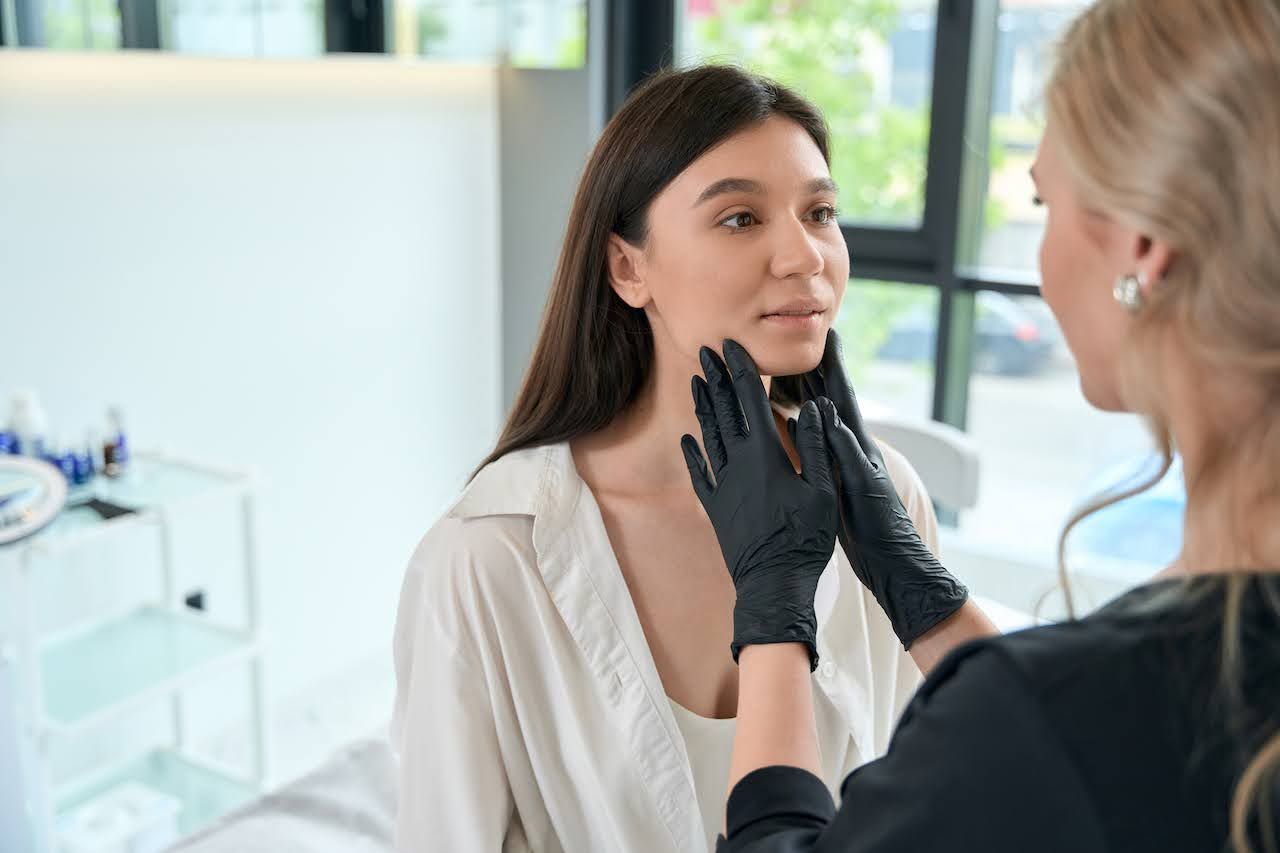
Skincare professionals play a crucial role in skin cancer detection. As the first line of defense, you have the opportunity to spot early warning signs during routine treatments. But to do so, you need to thoroughly understand the signs and symptoms of skin cancer.
Here’s what every skincare professional needs to know to increase their skin cancer awareness.
WHAT ARE THE DIFFERENT TYPES OF SKIN CANCER?
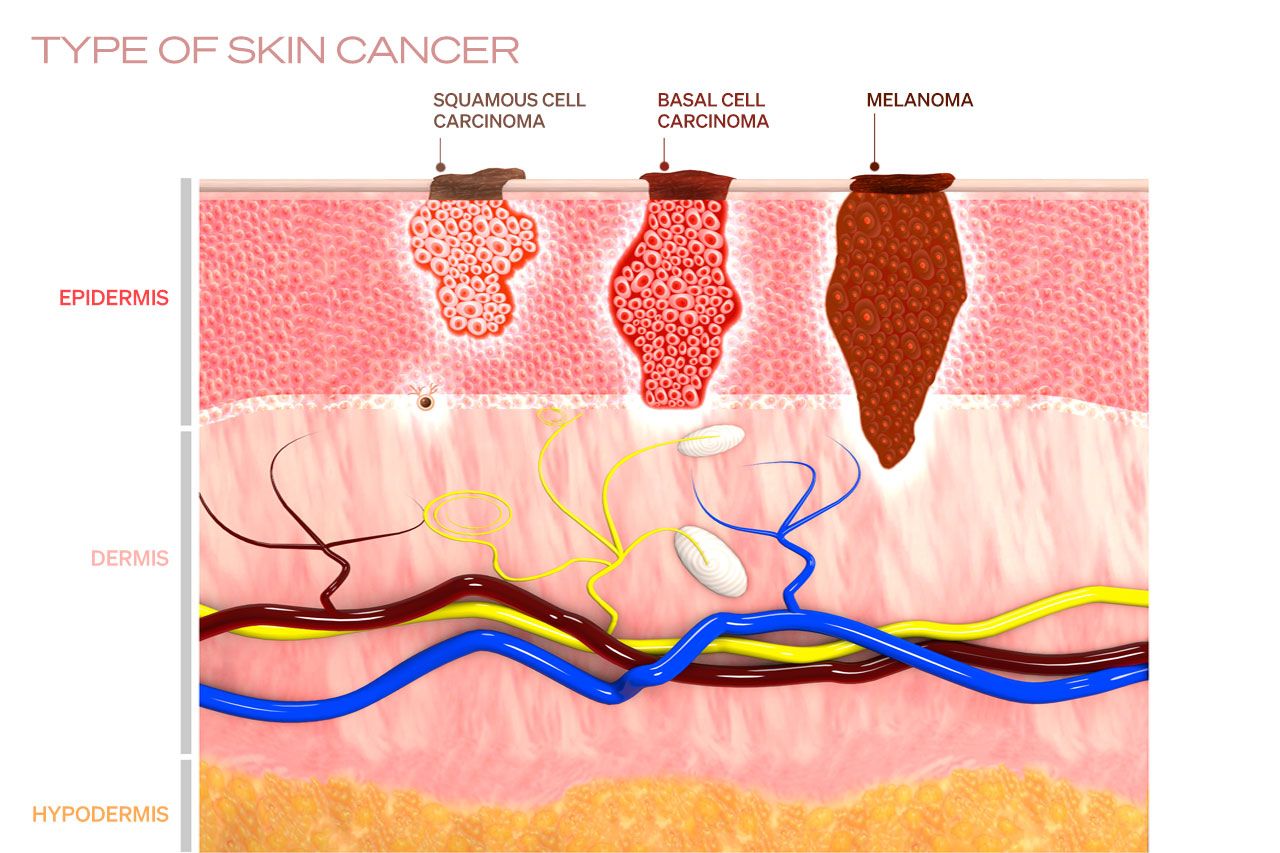
Skin cancer is characterized by the abnormal growth of skin cells, often caused by excessive exposure to ultraviolet (UV) rays from the sun or tanning beds. The three main types of skin cancer are:
BASAL CELL CARCINOMA (BCC)
Basal Cell Carcinoma (BCC) is the most common type of skin cancer, primarily caused by prolonged exposure to UV light. It develops in the basal cells that produce new skin cells. Though BCC grows slowly, it can be destructive if left untreated.
SQUAMOUS CELL CARCINOMA (SCC)
Squamous Cell Carcinoma (SCC) is the second most common type of skin cancer, usually appearing on areas of the body that are frequently exposed to sunlight. It develops in the squamous cells that make up most of the skin's upper layers. SCC can develop due to excessive ultraviolet radiation or from pre-existing skin conditions like actinic keratosis.
MELANOMA
Melanoma is a type of skin cancer that begins in the melanocytes. It is the most dangerous form of skin cancer due to its ability to spread rapidly to other parts of the body if not detected early.
FACTORS THAT CONTRIBUTE TO THE DEVELOPMENT OF SKIN CANCER
Skin cancer can develop in anyone, regardless of skin color, age or ethnicity. However, certain factors can increase the risk of developing skin cancer. Keep an extra close eye on clients with the following attributes:
- Excessive exposure to UV rays
- Fair skin
- Family history of skin cancer
- Weakened immune system
- Old age
Skin cancer awareness is important for every client. Encourage each of them to wear broad-spectrum sun protection every day, even if it's a lower SPF. An FDA-tested and approved product like our Hydrating Protection Gel with SPF 15 protects the skin from harmful UV rays.
EARLY WARNING SIGNS TO WATCH FOR
While skin cancer can present itself in many forms, there are some common warning signs that you can look for during treatments.


BASAL CELL CARCINOMA (BCC)
BCC typically presents as a waxy bump or flat, flesh-colored lesion, often on sun-exposed areas. Watch for these early warning signs:
- Persistent open sores that don't heal within three weeks
- Shiny or pearly reddish bumps
- Scar-like areas with raised edges
SQUAMOUS CELL CARCINOMA
SCC is often a firm, red nodule or a flat lesion with a crusty surface, predominantly in sun-exposed areas. It can also manifest as:
- Red, scaly patches or irritated areas
- A wound that doesn't heal (similar to BCC)
- Raised bumps with a central depression
- Changes in existing moles or growths
MELANOMA
The ABCDE rule is an effective guide to identifying signs of melanoma. Each rule applies to a mole.
- Asymmetry or one half of the mole is different from the other
- Border irregularity with uneven or notched borders
- Color variation
- Diameter changes
Evolving shape, size or color
3 KEY PREVENTION STRATEGIES
While early detection is essential, you can take steps to prevent skin cancer from developing in the first place. Here are three key skin cancer awareness strategies for every skincare professional to use:
1. THE ROLE OF SUNSCREEN
Educate clients about the importance of wearing broad-spectrum sunscreen with a minimum SPF of 15 and reapplying every two hours, especially when outdoors. This is the first and most important step of cancer prevention since broad-spectrum sunscreens protect from UVA and UVB rays.
If they're worried about dehydration, recommend our Moisturizing Protection Cream With SPF 30; it provides powerful moisturizing benefits and lipid protection.
2. PROTECTIVE CLOTHING
Encourage clients to protect their skin by wearing wide-brimmed hats, sunglasses and long-sleeved clothes. This and staying in the shade when possible will provide an additional layer of protection against harmful UV rays.


3. SUN-SAFE PRACTICES
Educate clients about sun-safe practices, such as avoiding peak sun hours (10 a.m. – 4 p.m.), seeking shade when outdoors and regularly checking their skin for any changes or abnormalities.
SPOT EARLY SIGNS WITH REGULAR CHECKUPS
As a skincare professional, you’ll have opportunities to notice any irregularities and notify your clients. While you can’t diagnose skin cancer, you can encourage regular checkups with a dermatologist for any concerning changes or abnormalities. With early detection, your client can start treatments as soon as possible.
ELEVATE YOUR CLIENTS' SKIN CANCER AWARENESS
It’s essential to communicate effectively with clients about skin cancer awareness. Use simple and clear language to explain the risks, prevention strategies and potential signs of skin cancer. Keep visual aids such as diagrams or informational leaflets on hand and explain that early detection through regular self-examinations can significantly increase the success of treatment.
The best way to help your clients is to thoroughly understand skin cancer yourself. Become a GlyMed Pro to gain access to advanced aesthetic education so you can elevate your clients' skin cancer awareness.
BECOME A GLYMED+ PROFESSIONAL
Like this content? Thousands of licensed skincare professionals have discovered the benefits of becoming a GlyMed+ Pro. Now's the time to join an elite group of estheticians dedicated to providing the best skincare services using the most effective products.
Click below to begin your GlyMed+ partnership and take your skincare business to new heights!
Become a ProSUPPORTING SKINCARE PROFESSIONALS
All GlyMed+ products are sold through licensed professionals to ensure product integrity and proper skincare instruction. As you work with a GlyMed+ Professional, you’ll receive personalized skincare treatments and home care regimens to help you achieve your skin goals.
Contact Your Local GlyMed+ ProFOLLOW US @GLYMEDPLUS
STAY CONNECTED
Enter your email to get the latest news, tips and deals straight to your inbox