
HOW TO ADDRESS HORMONAL BREAKOUTS DURING THE MENSTRUAL CYCLE
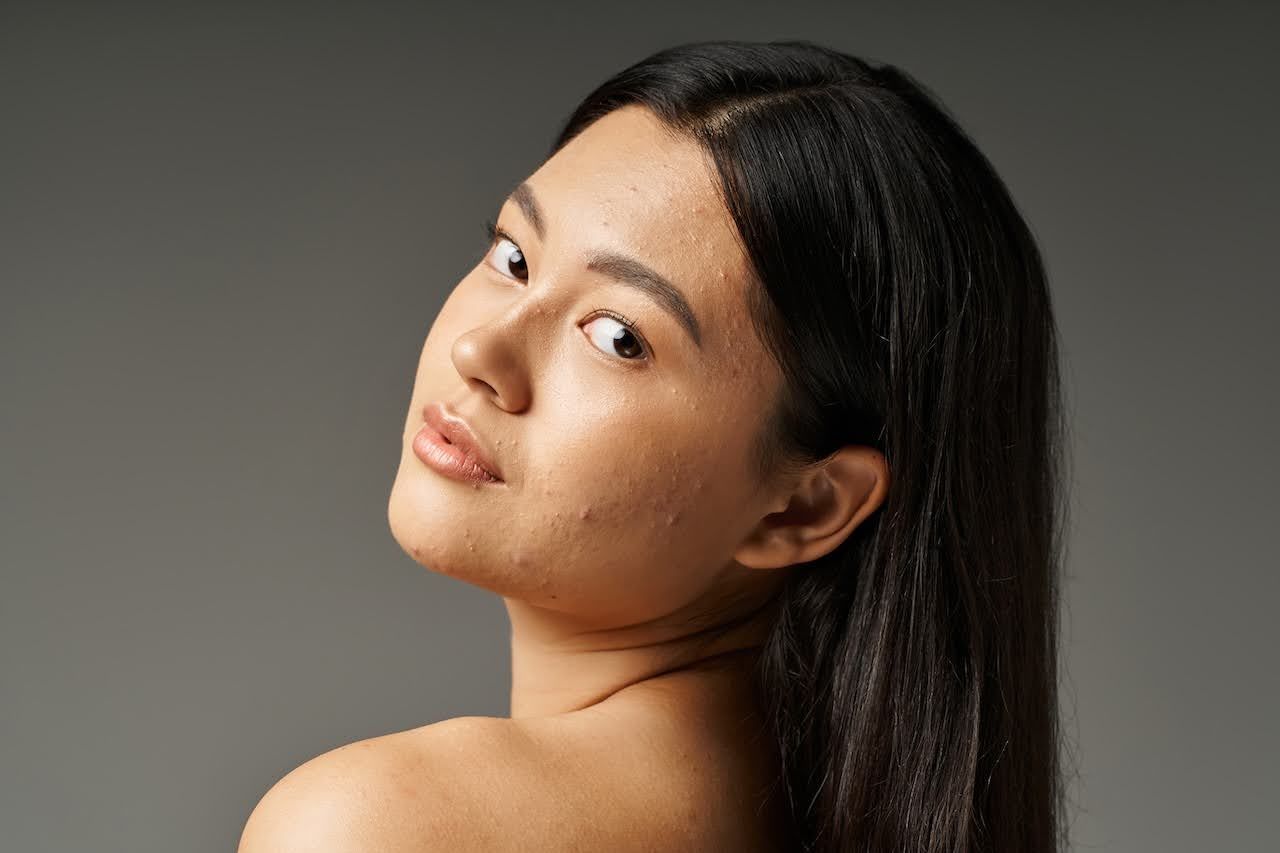
Menstrual acne is a common and frustrating concern for many clients. Luckily, with the right knowledge, skincare professionals like you can make a meaningful difference in your client's lives. Read on to learn how to restore confidence and boost self-esteem through expert care and professional ingredients.
THE ROLE OF HORMONES IN BREAKOUTS
Hormonal breakouts are caused by fluctuations in hormone levels. Throughout the menstrual cycle, estrogen and progesterone levels increase and decrease. These changes trigger excess oil production and increased inflammation. Excess oil leads to clogged pores and potential breakouts, especially in the lower face and jawline where oil glands are more prevalent and sensitive to hormonal changes.
The menstrual cycle has four main phases. Learn what is happening with hormone levels in each phase:
FOLLICULAR PHASE (DAYS 1 – 13)
During the end of the follicular phase, which overlaps with the menstrual phase, estrogen levels gradually rise once a follicle matures. This increase in estrogen stimulates collagen production and enhances the skin's hydration by improving the skin barrier function.
Skin Appearance: The skin may appear brighter, smoother and more elastic.
OVULATORY PHASE (DAY 14, 15 OR 16)
At ovulation, estrogen levels peak and then begin to decline, while progesterone levels increase slightly. These changes can stimulate sebaceous glands to produce more sebum, which can trap dead skin cells and debris.
Skin Appearance: Clients may experience clogged pores and an increased chance of breakouts.
LUTEAL PHASE (DAYS 14 – 28)
After ovulation, the corpus luteum produces progesterone to prepare the body for a potential pregnancy. Estrogen also remains at a relatively high level during this phase. The hormonal shift and high progesterone stimulate the sebaceous glands even further.
Skin Appearance: Combined with slower skin cell turnover, these changes can further contribute to premenstrual acne.
THE MENSTRUAL PHASE (DAYS 1 – 5)
If pregnancy does not occur, progesterone and estrogen levels drop dramatically, triggering the menstrual phase and the start of a new cycle.
Skin Appearance: The drop in hormone levels can lead to skin dehydration and increased sensitivity, making clients very susceptible to menstrual acne.
HOW TO ASSESS YOUR CLIENT’S SKIN DURING HORMONAL FLUCTUATIONS
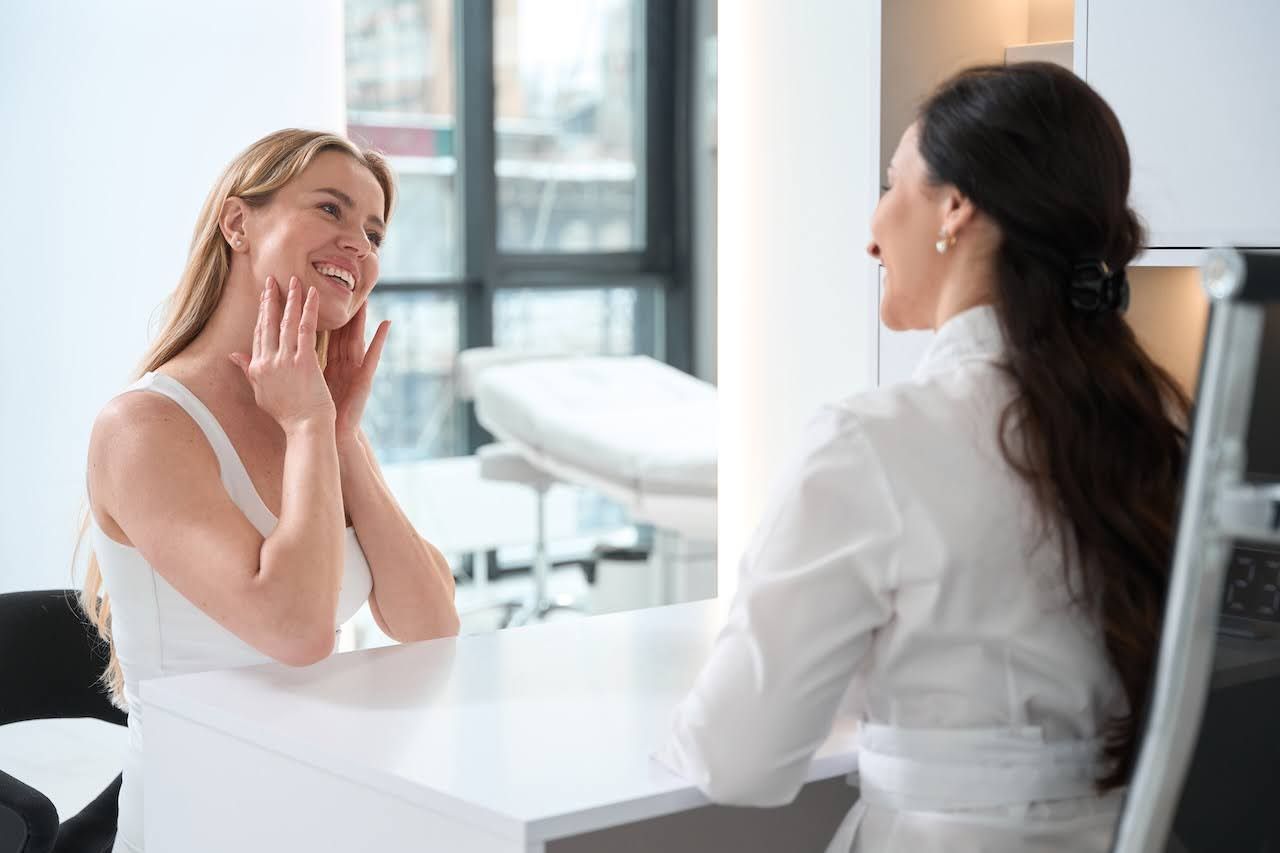

The best way to address menstrual acne is to understand the client's skin during different phases of their menstrual cycle. Assess their skin's appearance, sensitivity levels and acne lesions to determine the appropriate treatment plan.
Wondering whether a breakout is hormonal? Use your knowledge of the menstrual cycle. For example, if a breakout occurs during the luteal phase and is concentrated on the lower face and jawline, it is likely hormonal acne.
Underlying issues such as diet, stress, Polycystic Ovary Syndrome (PCOS) or other hormonal imbalances can also exacerbate acne and should be considered during your assessment.
TOP SKINCARE STRATEGIES TO HANDLE MENSTRUAL ACNE
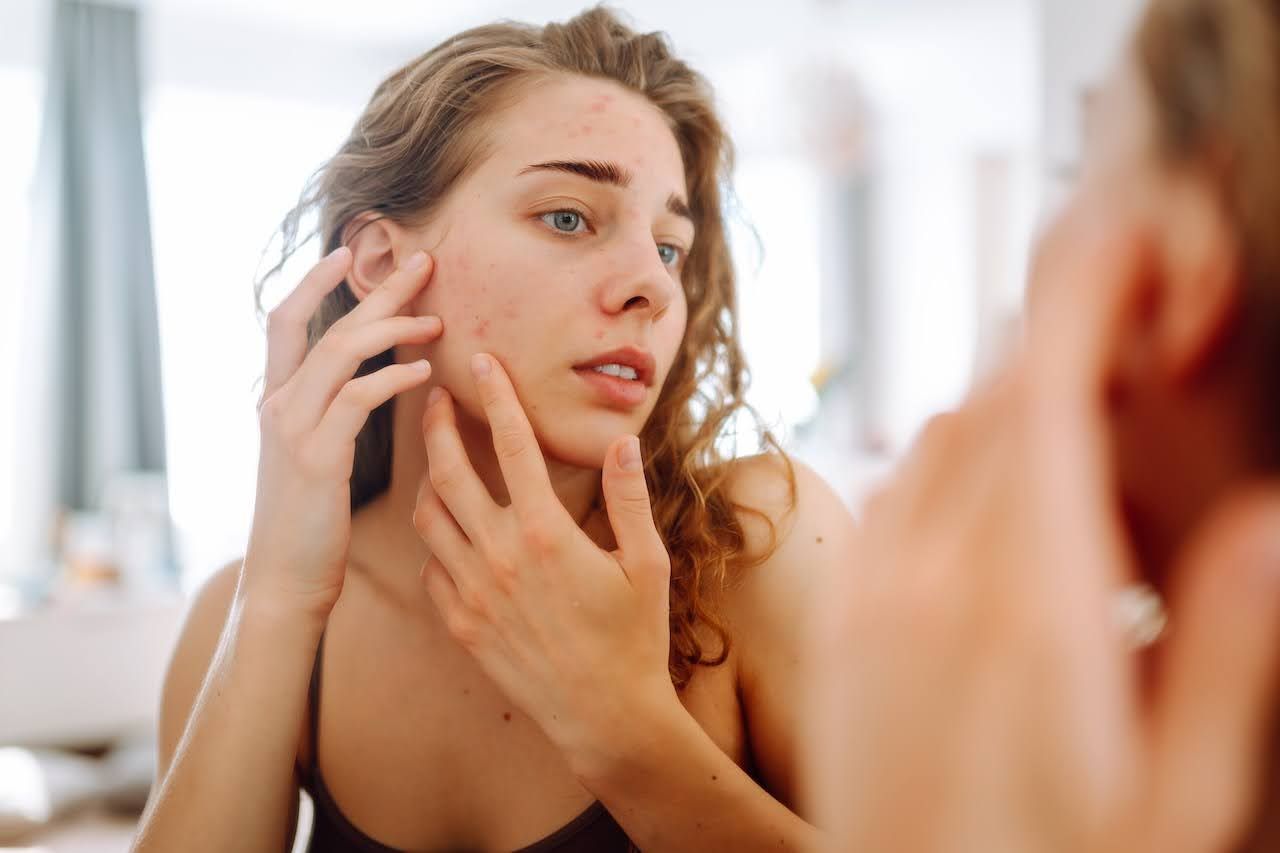

As the expert in skincare, you have the knowledge and skills to help your clients address hormonal acne. Here are some expert strategies to ease their concerns and transform their skin for the better.
PROFESSIONAL TREATMENTS
Your treatment room can be a haven for clients seeking expert care for hormonal acne. Consider offering these procedures to help them manage their symptoms and enhance their skin health.
- Chemical Peels: Peels with beta hydroxy acids (BHAs), such as Salicylic Acid, can effectively unclog pores and reduce inflammation. Our self-neutralizing Professional Solution with 20% Salicylic Acid is an excellent option for those with oily and resistive skin.
- Blue LED Light Therapy: Blue light therapy on acne-prone areas can kill bacteria and reduce excess oil production.
- Deep Cleansing Facials: Utilizing pharmaceutical-grade products during facials will achieve optimal results. Those with drier, sensitive skin would greatly benefit from our Blemish Control No. 5 with Benzoyl Peroxide. This targeted formula minimizes pores, clarifies the skin and reduces inflammation.
AT-HOME REGIMENS
Home care is equally vital for managing menstrual acne. Here are some expert recommendations to share with your clients:
- Gentle, Non-Stripping Cleansers: Cleansers with Salicylic Acid, Glycolic Acid or Benzoyl Peroxide can help clear clogged pores and reduce inflammation without stripping the skin's natural oils. Many of these cleansers, including our Exfoliating Cleanser with Salicylic Acid, can be used as a secondary cleanse for those with oily, acne-prone skin.
- Exfoliation: How frequently your client should exfoliate depends on their skin type. For example, those with oily, acne-prone skin may benefit from daily gentle exfoliation using a cleanser, while those with dry or sensitive skin may need to exfoliate less often to avoid irritation.
- Balanced Moisturizer: Using a daily moisturizer with targeted ingredients such as Hyaluronic acid, Niacinamide and Ceramides can help balance the skin's hydration levels and reduce sensitivity. Our Daily Repair Cream is a lightweight, acne-fighting option that provides necessary hydration without clogging pores.
HORMONAL BREAKOUT PREVENTION TIPS

Prevention is always better than treatment, and as a skincare professional, you can empower your clients to take proactive steps to prevent hormonal breakouts.
- Focus on Healthy Lifestyle Habits: Encourage your clients to incorporate healthy techniques like exercise, meditation or journaling into their daily lives to reduce stress.
- Explore Diet: A balanced diet can regulate hormones and reduce inflammation in the skin. Invite your clients to learn the negative effects of processed foods, dairy products and sugar on their skin health, or better yet, encourage them to create a balanced meal plan with a dietician.
- Prioritize Regular & Consistent Skincare: Emphasize the importance of a consistent skincare routine. Consistency is critical for seeing results, so embrace your role as a skincare expert and guide your clients toward regular, targeted skincare habits.
BONUS TIP: BECOME THE BEST SUPPORT SYSTEM
Your clients trust you to help them look and feel their best. If you're ready to advance your aesthetic knowledge to provide exceptional client support, consider enrolling as a GlyMed Pro. With access to the country's best skincare training courses, you can learn the latest techniques to manage menstrual acne, hormonal imbalances and all other skin concerns.
BECOME A GLYMED+ PROFESSIONAL
Like this content? Thousands of licensed skincare professionals have discovered the benefits of becoming a GlyMed+ Pro. Now's the time to join an elite group of estheticians dedicated to providing the best skincare services using the most effective products.
Click below to begin your GlyMed+ partnership and take your skincare business to new heights!
Become a ProSUPPORTING SKINCARE PROFESSIONALS
All GlyMed+ products are sold through licensed professionals to ensure product integrity and proper skincare instruction. As you work with a GlyMed+ Professional, you’ll receive personalized skincare treatments and home care regimens to help you achieve your skin goals.
Contact Your Local GlyMed+ ProFOLLOW US @GLYMEDPLUS
STAY CONNECTED
Enter your email to get the latest news, tips and deals straight to your inbox