
HOW TO EFFECTIVELY MANAGE MELASMA
Managing melasma can feel like a challenge, even for seasoned skincare professionals. This common pigmentation concern requires a nuanced approach that respects the skin’s natural balance while addressing contributing factors. To help you navigate this complex condition, we’ve compiled a comprehensive guide to melasma treatments to empower your clients to achieve radiant, even-toned skin.
WHAT IS MELASMA?
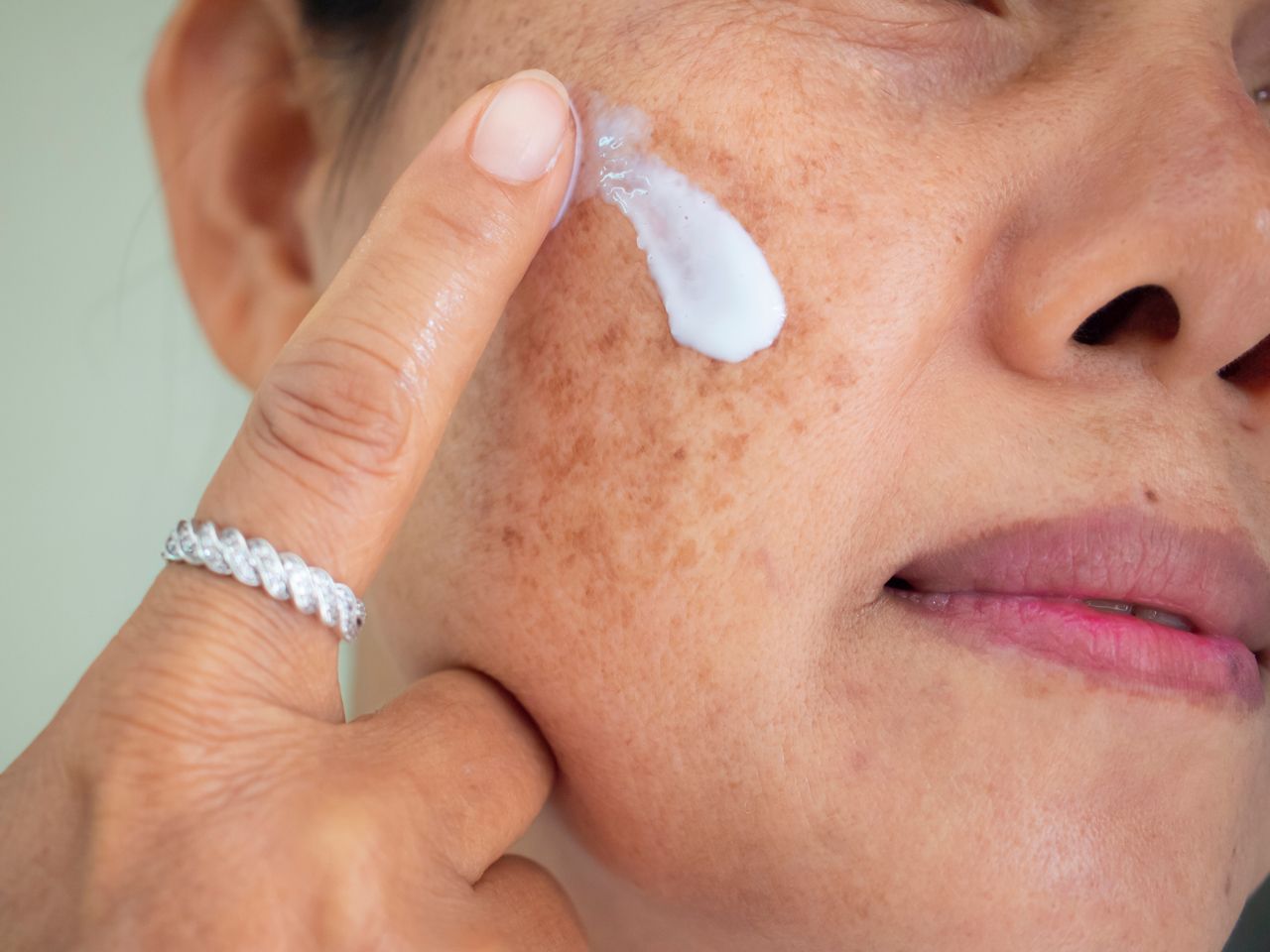
Melasma is a skin condition that causes brown or gray patches on the face. It's typically in areas exposed to the sun, including the cheeks, forehead, chin and upper lip. Melasma is commonly called the "mask of pregnancy" because it's extremely common in pregnant women due to the drastic hormonal changes. Most clients will see melasma fade postpartum, but others may need targeted intervention with specific melasma treatments.
WHAT CAUSES MELASMA?
Melasma can occur when there is an increase in the production of melanin—the pigment that gives the skin its color. Various factors can trigger this change in melanin production, including:
- Hormonal Fluctuations: Changes in estrogen and progesterone levels can stimulate melanocyte activity, making individuals more susceptible to melasma. This includes clients using hormonal birth control, undergoing hormone replacement therapy or experiencing pregnancy or menopause.
- UV Exposure: Ultraviolet (UV) light from the sun stimulates melanocyte activity, which can lead to an increase in melanin production. This is why melasma often appears on areas of the face that are frequently exposed to the sun. Pregnancy also causes melanin production to become more reactive to UV light, which heightens the risk of melasma.
- Genetics: People with a family history of melasma are more likely to develop it themselves. Fitzpatrick Skin Types IV – VI are also more prone to melasma due to their higher levels of melanin.
- Photosensitizing Skincare or Medications: Certain skincare products containing ingredients like AHAs, BHAs, Hydroquinone, Retinoids or Benzoyl Peroxide can escalate the skin's sensitivity to UV light and raise the risk of melasma without proper sun protection.
- Medical Conditions: Melasma has been linked to medical conditions such as thyroid disorders, hormonal imbalances and stress.
EARLY APPEARANCE OF MELASMA
When melasma first appears, you may notice patchy, brownish-gray spots developing on the areas mentioned above. These spots often show up symmetrically on both sides of the face, giving them a distinctive appearance. At this stage, the spots might be faint and easy to miss, but spotting them early means you can take action sooner to manage them effectively.
SAFE AND EFFECTIVE INGREDIENTS
There are amazing skincare ingredient options to reduce the appearance of melasma. Some popular choices include Kojic Acid, Vitamin C, Alpha Hydroxy Acids (specifically Glycolic and Lactic Acid), Trichloroacetic Acid (TCA), Retinoids (like Tretinoin) and Niacinamide.
Each of these ingredients either reduces inflammation, inhibits melanin production or increases cell turnover, so consistent use of these ingredients can fade pigmentation over time.
MELASMA TREATMENT PROTOCOLS & BEST PRACTICES
But what is the best way to use these ingredients? Here are some recommended protocols and best practices for managing melasma.
AT-HOME RECOMMENDATIONS
As a skincare professional, you can recommend additions and changes to your clients’ at-home skincare regimen to help combat melasma. Here are some recommendations you can make:
- Start Routines with a Gentle Cleanser: Recommend clients use a gentle, non-stripping cleanser for their morning and evening routines.
- Exfoliate: Encourage the use of chemical exfoliants, such as AHAs or BHAs, to gently slough off dead skin cells and promote cell turnover.
- Use Antioxidants: Antioxidants like Vitamin C can help protect against UV damage and reduce inflammation in the skin.
- Invest in Targeted Serums: Pharmaceutical-grade formulas with highly pure ingredients can be very effective at home. For more aggressive melasma treatment, recommend a combination of GlyMed's Diamond Bright Skin Illuminator, Daily Skin Clarifier, Brilliant Tone and Pigment Brightening Serum. The cutting-edge drone technology and natural Tyrosinase Inhibitors will do wonders for your client's skin.
- Find a Balanced & Fortified Moisturizer: Many professional products will include effective concentrations of beneficial ingredients. Vitamin C Cream is an example of a balanced moisturizer that will work in tandem with other melasma treatment products to prevent further hyperpigmentation.
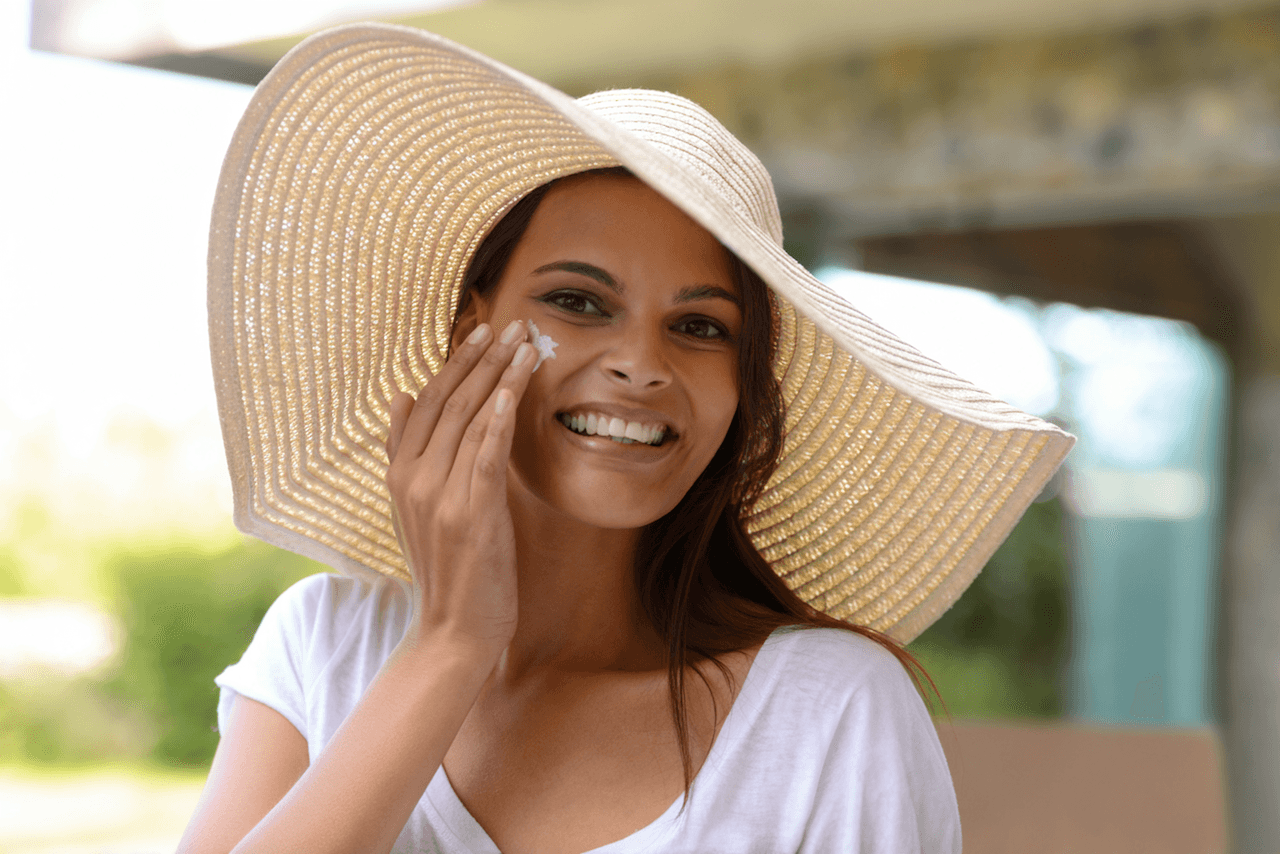
- Apply SPF: Sunscreen is essential for protecting melasma-prone skin from further damage. Our Moisturizing Protection Cream with SPF 30 is the perfect option for on-the-go use that is also formulated with antioxidant protection.

IN-CLINIC TREATMENTS
Chemical peels, microdermabrasion and laser therapy are great service offerings to add to your clinic that can reduce the appearance of melasma. Chemical peels, in particular, are an effective option for managing melasma by removing the damaged top layers of skin. They can also even out hyperpigmentation and improve overall skin tone and texture.
GlyMed offers a great selection of professional chemical peels designed to target hyperpigmentation and melasma. Our Professional 5-Berry Solution with 7% TCA is a self-neutralizing example that’s safe for all Fitzpatrick types and pregnant clients. For a more advanced melasma treatment for non-pregnant individuals, try our Professional Vitamin A Solution with 10% TCA.
HOW TO PREVENT MELASMA DURING PREGNANCY & WHILE NURSING
Melasma can be super frustrating, especially for clients who are pregnant or nursing, since so many skincare products and treatments aren’t safe to use during this time. Fortunately, there are many ways to keep melasma under control. Here are some easy prevention tips to share with your clients:
- Use Sunscreen Every Day: Sunscreen is the most effective way to prevent and manage melasma. Remind clients to apply it daily (yes, even on cloudy days or indoors!) and reapply every two hours if they’re outside for extended periods.
- Limit Sun Exposure: Encourage clients to avoid the sun as much as possible. Stay in the shade, skip peak hours (10 a.m. – 2 p.m.) and wear hats, sunglasses and long sleeves to stay protected.
- Check Your Medications: Certain medications, like hormonal birth control, have hormones that can raise the risk of melasma. Ask your clients to talk to their doctor if they have concerns.


These simple steps can make a big difference in your clients' lives. However, they may not always be enough to prevent melasma from occurring. In these cases, your recommendations and melasma treatments will play a crucial role in your client's confidence and well-being.
To elevate your expertise further, become a GlyMed Plus Pro. With access to cutting-edge skincare education, expertly crafted protocols and regimens and pure pharmaceutical-grade products, you’ll be better equipped to address complex concerns like melasma effectively while enhancing your clients' trust and satisfaction.
BECOME A GLYMED+ PROFESSIONAL
Like this content? Thousands of licensed skincare professionals have discovered the benefits of becoming a GlyMed+ Pro. Now's the time to join an elite group of estheticians dedicated to providing the best skincare services using the most effective products.
Click below to begin your GlyMed+ partnership and take your skincare business to new heights!
Become a ProSUPPORTING SKINCARE PROFESSIONALS
All GlyMed+ products are sold through licensed professionals to ensure product integrity and proper skincare instruction. As you work with a GlyMed+ Professional, you’ll receive personalized skincare treatments and home care regimens to help you achieve your skin goals.
Contact Your Local GlyMed+ ProFOLLOW US @GLYMEDPLUS
STAY CONNECTED
Enter your email to get the latest news, tips and deals straight to your inbox