HYDRATING THE STRATUM CORNEUM WITH CERAMIDES
The stratum corneum (SC), the skin’s outermost layer, is remarkably thin, measuring only 10 – 30 μm—about one-tenth the width of a sheet of paper. Despite its small size, it acts as the permeability barrier between the body’s internal environment and external assaults. This is crucial to life, as the SC maintains internal homeostasis by preventing excessive fluid and electrolyte loss.
A WALL OF PROTECTION
The SC comprises up to 75 percent of the epidermis, making it a virtual wall of protein protection for the cellular and intercellular components. As Peter M. Elias, MD, states, “The permeability barrier is mediated by the organization of the extracellular lipids of the SC into a series of parallel membrane structures, and its distinctive composition.”(1)
This fascinating upper layer of the epidermis is composed of:
- Corneocytes (the “bricks”): Fibrous protein-enriched cells
- Lipid Matrix (the “mortar”): An intercellular, lipid-enriched matrix
During corneocyte formation, the cell’s plasma membrane is replaced by a ceramide monolayer that covalently binds to the underlying cornified envelope. This lipid envelope then acts as a template for accumulating extracellular lipid layers.
This “brick and mortar” structure creates a sophisticated defense. According to the article, Adhesion and Debonding of Biological Soft Tissues—Stratum Corneum, by Kenneth Wu at Stanford University, “the layered construction of the skin represents a composite material in which the components possess specialized functionalities to accommodate a variety of conditions from mechanical stresses to variable ambient moisture, and to resist the presence of toxic chemicals, pathogens and radiation.”

THE ESSENTIAL LIPID BLEND
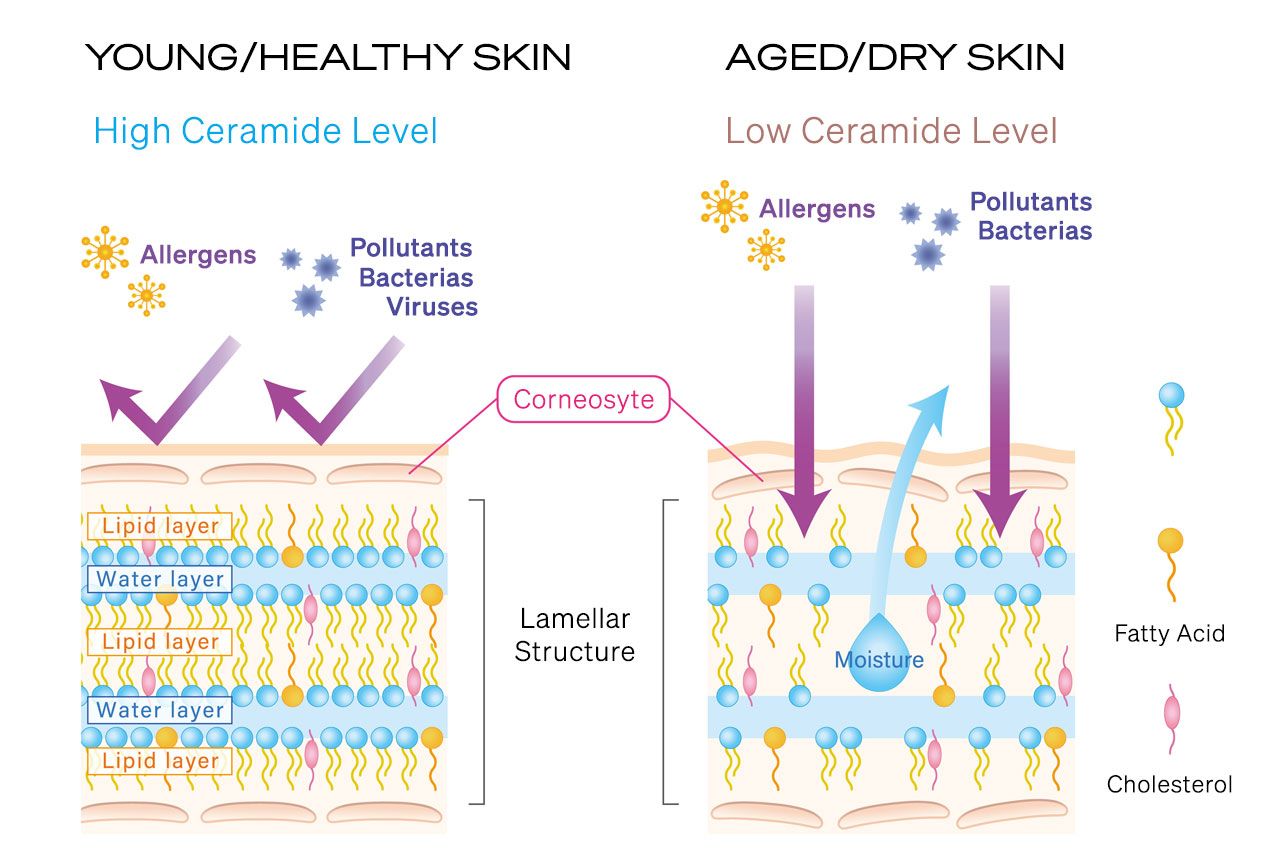
A study by E. Proksch, et al, explains, “The lipids are a mixture of sphingolipids, cholesterol and free fatty acids, which form intercellular membrane bilayers.”(2) These bilayers house essential intercellular components, including corneocytes and the attachments that hold these cells together, called desmosomes.
The lipids inside the SC fill the intercellular spaces between desmosomes. Because these lipids make it difficult for water to pass through, they are the primary mechanism for conserving moisture and maintaining hydration.(4)
However, environmental exposure, daily cleansing and spa treatments can remove these lipid substances. When lipids are extracted with solvents, and water-soluble substances are removed with water, the SC’s ability to bind moisture is immediately reduced, according to researcher J. D. Middleton.(3) This affects the outcome of professional services and home care treatments and should be a priority when designing skincare remedies.

BARRIER REGENERATION
To sustain balance within the skin, it is essential to understand what occurs in this tiny SC ecosystem. According to Proksch’s study, “Lipid synthesis occurs in the keratinocytes in all nucleated layers of the epidermis.”(2) These newly synthesized lipids are then delivered by lamellar bodies to the interstices of the SC during critical epidermal differentiation.(2)
When the barrier is disrupted by topical fatty acid removal using cleansers, masques, chemical peels or microdermabrasion, the skin increases the synthesis of free fatty acids, sphingolipids and cholesterol in the living layers of the epidermis. This natural process replaces lipid loss and regenerates the skin barrier.
CERAMIDES: THE HEART OF THE BARRIER
Ceramides are a lipid family found in high concentrations in the cell membrane and follow this regeneration logic. They can not only act as structural components but also function as signaling molecules that help regulate differentiation, proliferation, and programmed cell death. Given this, ceramide replacement is vital to maintain the balance of the SC ecosystem and overcome the impact of lipid loss.
Studies clearly demonstrate that the three key lipids—cholesterol, free fatty acids and ceramides—must be supplied together in a proper proportion for normal barrier recovery. While all three lipids have different chemical compositions and functions throughout the body, ceramides account for 50 percent of the lipids in the SC. There are also nine types of ceramides in the SC.(6) This ceramide-dominant lipid layer provides a firm, smooth structure that adheres cells together and maintains the moisture-retention ability of the skin. Ceramide deficiency, on the other hand, causes the skin to become dry and hard, leading to fine lines and wrinkles.
The crucial role of ceramides in the skin’s barrier function and their importance in managing unbalanced skin conditions is still being researched.(5) The bottom line is that ceramides are the major lipid constituent of lamellar sheets present in the intercellular spaces of the SC, according to a study by L. Barbosa-Barros, et al.(7) The corneocytes are held together by these lamellar sheets, forming the complete barrier structure. “These lamellar sheets are thought to provide the barrier property of the epidermis,” states the study Ceramides and Skin Function by L. Coderch, et al.(8) This compound system, composed of the cells and the lamellae, is the skin’s actual barrier against the hostile environment of UV rays, bacteria, chemicals and other substances.
PROFESSIONAL APPLICATION OF CERAMIDES
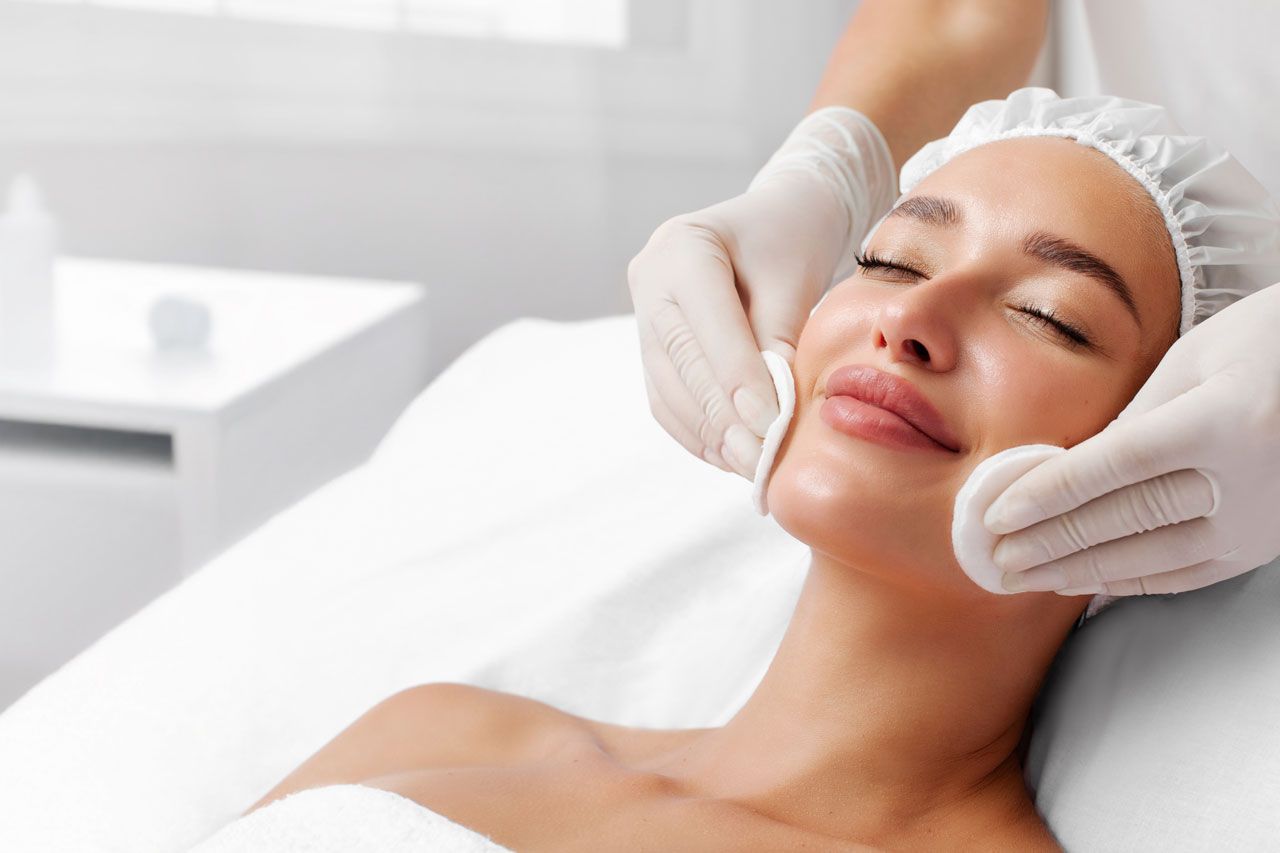

In professional skincare, ceramides are used to replenish natural moisture levels due to their exceptional water-binding capacity. Formulations containing skin-identical lipids, and specifically ceramide supplementation applied twice daily, can improve a range of conditions, including:
- Acne
- Rosacea
- Photoaging
- Dehydrated skin
Serums containing human-identical Ceramide 1, Ceramide 3 or both can reduce irritation caused by comedogenic ingredients such as Sodium Lauryl Sulfate (found in many facial cleansers) by replacing transepidermal water loss.
“Scientists have also learned that people who suffer from eczema have significantly fewer ceramides in their SC. On the other hand, individuals with psoriasis have the same number of ceramides as people with normal skin. However, the psoriasis-sufferers have less Ceramide 1, 3, 4 and a subset of 5 and 6; and more Ceramide 2 and another subset of 5,” according to Heather Brannon, MD, in the article, Ceramides: Skin Lipids That Keep Skin Moisturized.(9) Therefore, ceramide serums containing human-identical Ceramide 1 and Ceramide 3 can offer potential relief as part of a skincare protocol for psoriasis-sufferers.
In short, applying a ceramide-rich serum as the final step of a skincare treatment or as an integral part of a client’s home care regimen can be a major point of difference in the skin’s recovery.
ACTIONABLE RETAIL TIP
Topical, human-identical, ceramide-rich serums function as humectants and provide a reproductive barrier to combat transepidermal water loss caused by acute or chronic skin dehydration. Additionally, hydrated skin responds more quickly to injury and retains the results of professional services longer.
When offering services that target rejuvenating dry, dehydrated skin, consider this strategy to enhance your results and drive retail sales:
- Support the Barrier: Add a ceremide-rich serum like our Protective Skin Serum to the service.
- Elevate Home Care: Make the serum a retail option for home care, emphasizing that all skin requires moisture to be healthy, regardless of age, race or condition.
- Educate Clients: Explain that the serum will help retain service results and hydrate the skin on a daily basis.
CONCLUSION
Ceramides are a principal indigenous material of the skin needed to maintain the health and proper balance of the SC. Science has proven that ceramides are an essential part of daily skin lipid supplementation because they originate in the SC’s natural ecosystem. When lost through aging, trauma, cleansing or other causes, they require continued replenishment to maintain the necessary balance, energy, health and hydration of the skin.
REFERENCES
1. PM Elias, Stratum Corneum Defense Functions: An Integrated View, J of Inv Derm 125 183–200 (2005)
2. E Proksch, et al, Barrier function regulates epidermal lipid and DNA synthesis, Br J Dermatol 128 (5) 473–82 (May 1993)
3. JD Middleton, The Mechanism of Water Binding in Stratum Corneum, Br J Dermatol 80 (7) 437–50 (July 1968)
4. www.pgbeautygroomingscience.com/the-epidermis.html (Accessed Sept 9, 2010)
5. en.wikipedia.org/wiki/Ceramide (Accessed Sept 9, 2010)
6. dermatology.about.com/od/skincareproducts/a/ceramide.htm (Accessed Sept 9, 2010)
7. L. Barbosa-Barros, et al, Penetration and Growth of DPPC/DHPC Bicelles Inside the Stratum Corneum of the Skin, Langmuir 24 (11) 5700–06 (2008)
8. L Coderch, et al, Ceramides and skin function, Am J Clin Dermatol 4 (2) 107–29 (2003)
9. dermatology.about.com/od/skincareproducts/a/ceramide.htm (Accessed Sept 9, 2010)
BECOME A GLYMED+ PROFESSIONAL
Like this content? Thousands of licensed skincare professionals have discovered the benefits of becoming a GlyMed+ Pro. Now's the time to join an elite group of estheticians dedicated to providing the best skincare services using the most effective products.
Click below to begin your GlyMed+ partnership and take your skincare business to new heights!
Become a ProSUPPORTING SKINCARE PROFESSIONALS
All GlyMed+ products are sold through licensed professionals to ensure product integrity and proper skincare instruction. As you work with a GlyMed+ Professional, you’ll receive personalized skincare treatments and home care regimens to help you achieve your skin goals.
Contact Your Local GlyMed+ ProFOLLOW US @GLYMEDPLUS
STAY CONNECTED
Enter your email to get the latest news, tips and deals straight to your inbox