HYDRATING VS. MOISTURIZING: WHAT DRY SKIN REALLY NEEDS
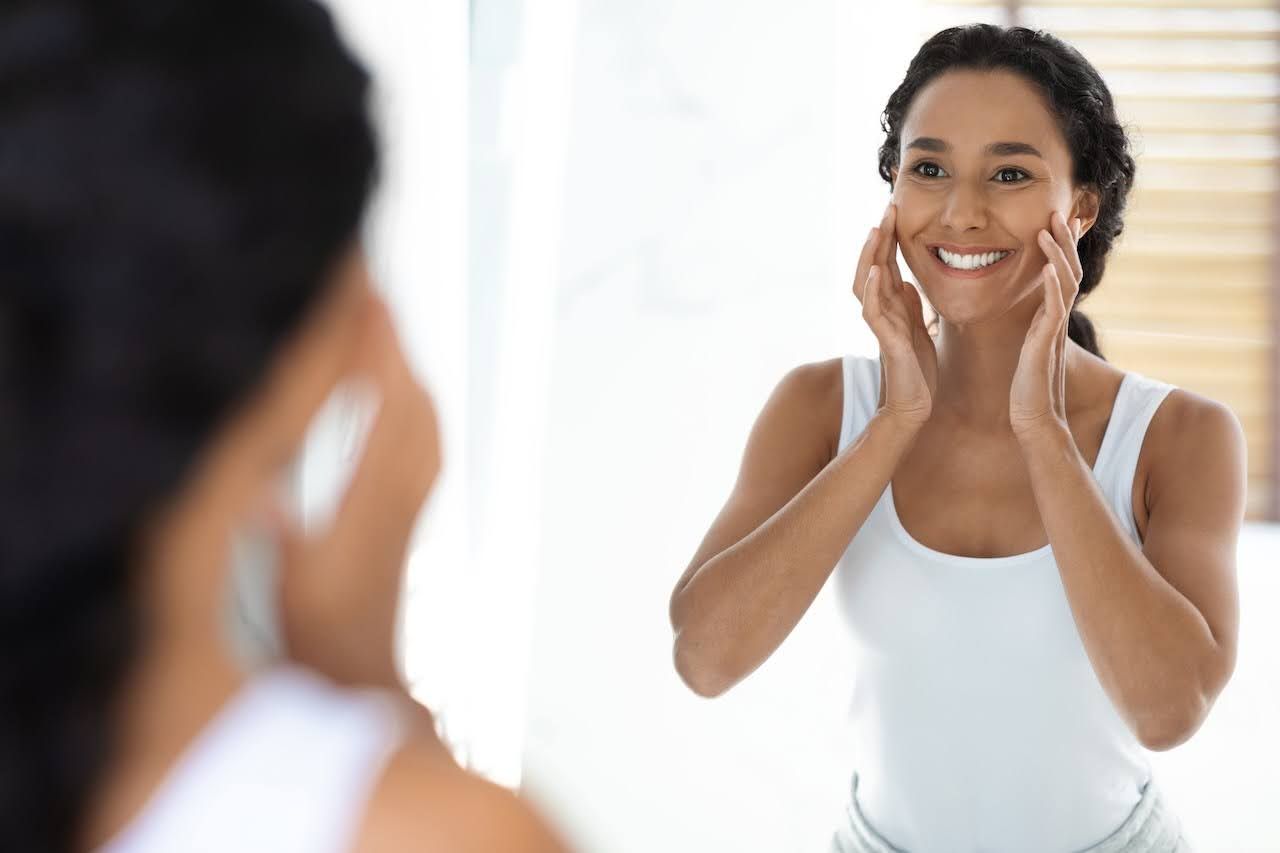
As a skincare professional, you probably encounter clients daily who struggle with dryness or dehydration and use the terms interchangeably. It's up to you to educate your clients on the fundamental differences between hydrating vs. moisturizing. These two different physiological processes work together to maintain healthy skin barrier function. Let's dive deeper into those distinctions.
THE PHYSIOLOGY OF HYDRATING VS. MOISTURIZING
Hydrating increases water content within the skin, primarily relying on water present in both the dermis and epidermis layers. This process depends on a healthy skin barrier's ability to retain water molecules effectively.
Moisturizing focuses on reducing transepidermal water loss (TEWL) by creating protective barriers or replenishing the skin's natural lipid matrix. This approach seals existing moisture and strengthens the skin's defenses.
KEY PHYSIOLOGICAL DIFFERENCES OF HYDRATING VS. MOISTURIZING
- Water content vs. lipid barrier protection
- Cellular hydration vs. moisture retention
- Internal support vs. external reinforcement
WHAT DO HYDRATING INGREDIENTS DO?
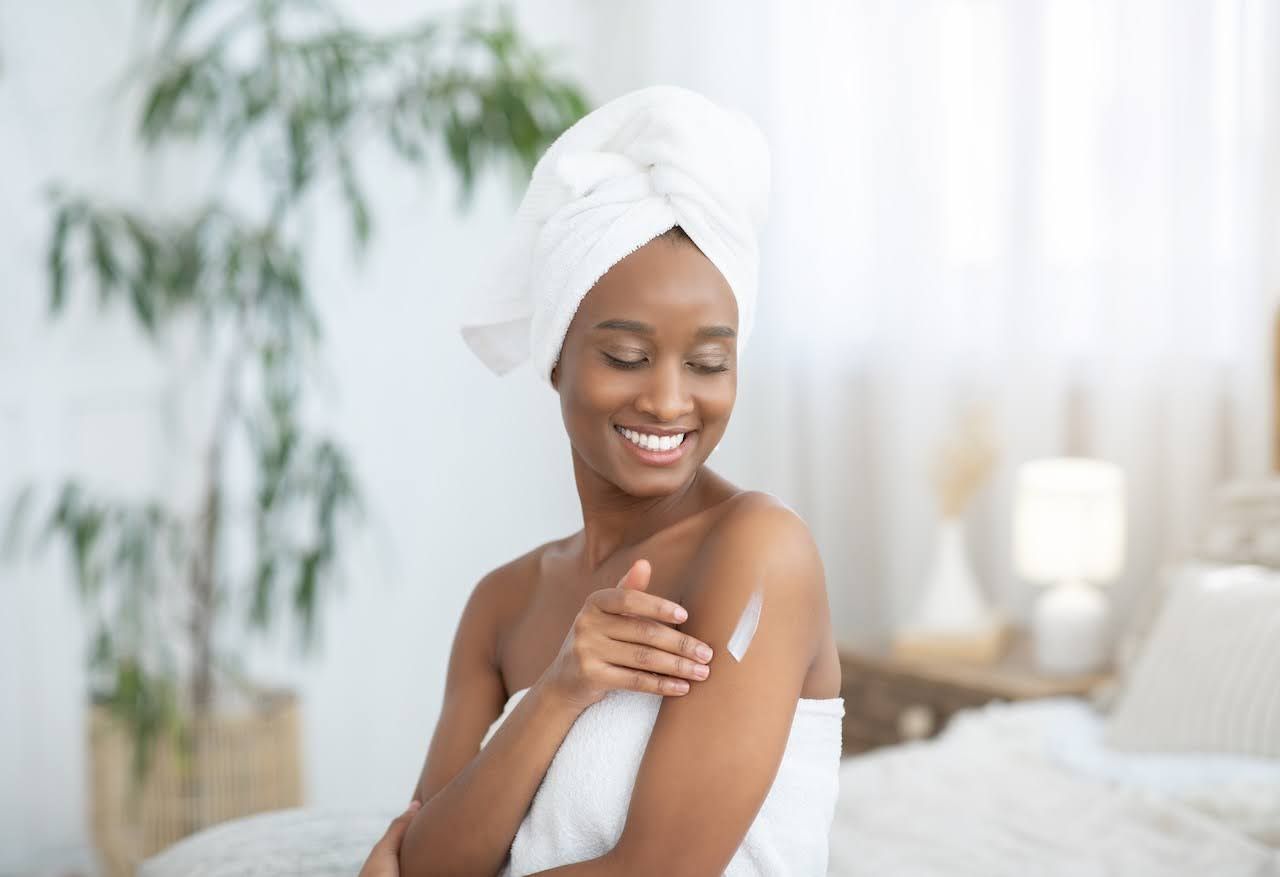

Hydrating ingredients, known as humectants, attract and bind water molecules to the skin's surface and deeper layers. They work like magnets to pull water molecules from the environment and deeper skin layers. This process restores cellular plumpness and improves skin suppleness immediately upon application.
However, hydration alone won't provide lasting results if the skin barrier remains compromised. Without a proper barrier function, water molecules can escape through increased TEWL, leaving the skin dehydrated again.
WHAT DO MOISTURIZING INGREDIENTS DO?
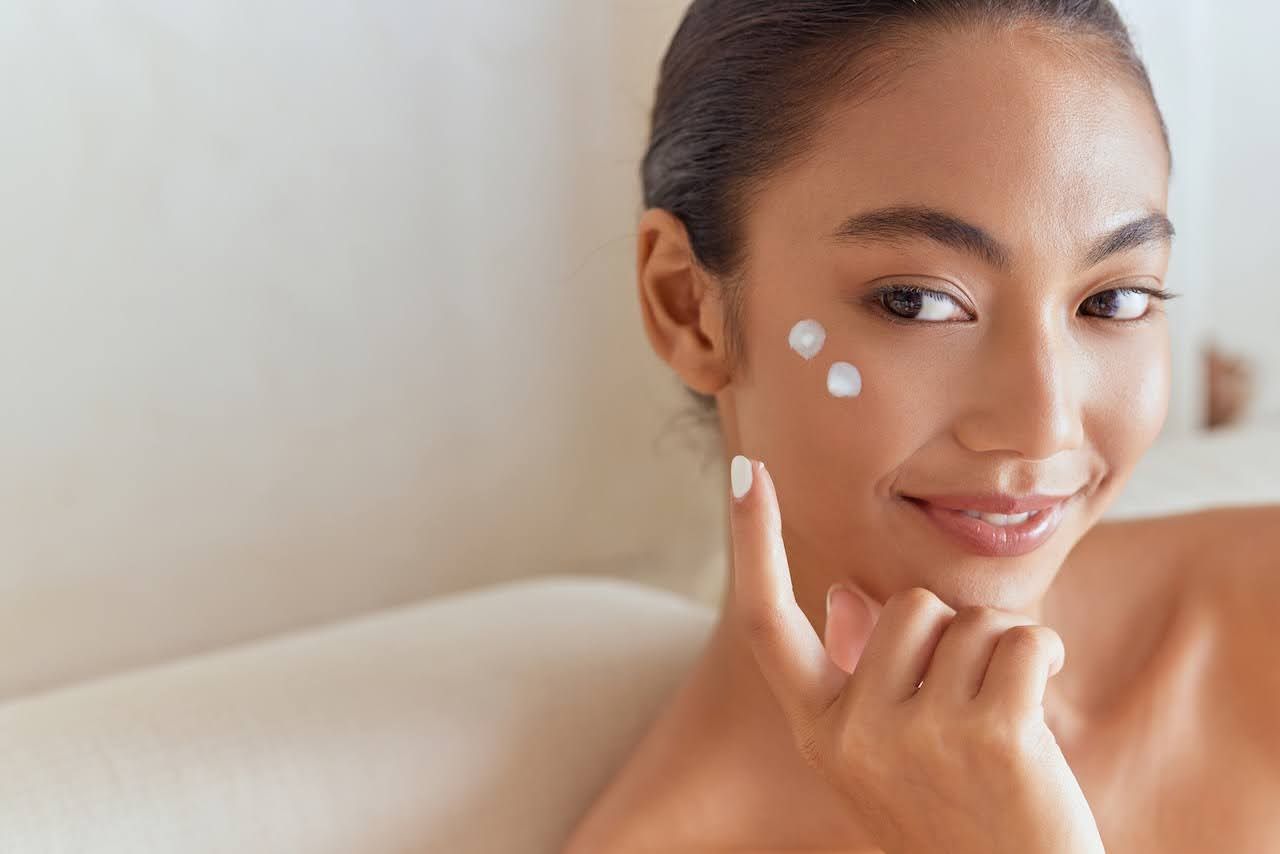

Moisturizing ingredients include emollients and occlusives that create protective barriers and restore the skin's natural lipid structure. Emollients fill the gaps between skin cells, while occlusives create a protective layer that prevents water loss. This dual approach restores compromised barrier function and maintains long-term moisture balance.
Moisturizers are especially critical for clients with compromised or sensitive skin conditions. Since these conditions are often caused by impaired barrier function and moisture loss, moisturizing ingredients can help restore and maintain the skin's natural balance.
Pharmaceutical-grade formulations with ceramides, Shea Butter and Squalane are amazing options for compromised skin. They have a similar molecular structure to the skin's natural lipids, making them highly effective in repairing and protecting the skin barrier.
SIGNS OF DEHYDRATED VS. DRY SKIN
To determine whether your client's skin is dehydrated or dry, keep an eye out for these key signs:
DEHYDRATED SKIN CHARACTERISTICS
- Tightness and tautness throughout the day
- Dull, lackluster appearance
- Fine lines that appear more pronounced
- Rapid formation of expression lines
DRY SKIN CHARACTERISTICS
- Flaky, rough texture
- Persistent itchiness and irritation
- Translucent, thin appearance
- Areas of redness or sensitivity
WHEN CLIENTS NEED HYDRATING, MOISTURIZING OR BOTH
Since hydration and moisturization go hand-in-hand, it can be challenging to determine which treatments to perform and in what order. Here are some tips to help guide you between hydrating vs. moisturizing solutions.
WHO NEEDS HYDRATION?
- Clients who have recently undergone chemical treatments
- Clients who have experienced environmental exposure
- Clients who show signs of cellular water loss
- Clients who display immediate tightness after cleansing
Protocol: Begin with hydrating serums containing Hyaluronic Acid, followed by lightweight moisturizers.
WHO NEEDS MOISTURE?
- Clients who exhibit compromised barrier function
- Clients who experience chronic dryness
- Clients who show signs of increased sensitivity
- Clients with mature skin and reduced sebum production
Protocol: Focus on barrier-supportive ingredients like ceramides and emollient-rich formulations.
WHO NEEDS BOTH?
Many clients require both hydration and moisturization for optimal results.
Protocol: Layer hydrating products first, followed by moisturizing formulations to lock in benefits.
SKINCARE TREATMENT RECOMMENDATIONS
Ready to boost hydration and barrier function for every skin type? Try these empowering treatment pairings and layering options designed to give your clients glowing, resilient skin.
TREATMENT PAIRINGS
- CBD Soothing Serum with Micro-Silver + Beauty OilCalm and deeply hydrate while strengthening the skin barrier. Use the masque in the treatment room and pair with Beauty Oil for a dewy, protected finish.
- Restoring Fulvic Elixir + Daily Skin ClarifierSupercharge hydration and deliver potent antioxidants in a single step. These can be applied together to soothe and rapidly recover stressed or dehydrated skin.
- Ultra Hydro Gel + Daily Repair CreamStart with Hyaluronic Acid-rich Ultra Hydro Gel, then layer Daily Repair Cream on top to attract and seal in essential moisture.
IN-CLINIC TREATMENTS
- Hydrating Enzyme Facial
Harness hydrating botanicals and antioxidants to refresh, moisturize and instantly revitalize dull, dry complexions. - Professional 30% Lactic Acid Exfoliator or Professional Oxygen Regenerative Solution
Both treatments expertly exfoliate while increasing hydration for photoaged or dehydrated skin, keeping the complexion luminous and balanced. - Hydrating Lip Balm Protocol
Finish any facial with Hydrating Lip Balm for a smoothing, ultra-moisturizing boost—ideal for dry or sensitive lip areas.
HOME CARE LAYERING STRATEGY

Empower your clients at home with effective product layering! To maximize both hydration and barrier function, here are some simple and effective options for each skincare routine step:
- Cleanse
- Hydrate
- Seal & Moisturize
- Protect
ADVANCE YOUR PROFESSIONAL EXPERTISE WITH GLYMED PLUS
Mastering the difference between hydrating vs. moisturizing can elevate your practice and deliver superior client results. To support your expertise, consider a GlyMed Pro membership. This exclusive education opportunity provides access to comprehensive training courses covering advanced ingredient science, treatment protocols and business development strategies.
Ready to enhance your professional knowledge and expand your treatment skills? Become a GlyMed Pro today and deliver transformative results!
BECOME A GLYMED+ PROFESSIONAL
Like this content? Thousands of licensed skincare professionals have discovered the benefits of becoming a GlyMed+ Pro. Now's the time to join an elite group of estheticians dedicated to providing the best skincare services using the most effective products.
Click below to begin your GlyMed+ partnership and take your skincare business to new heights!
Become a ProSUPPORTING SKINCARE PROFESSIONALS
All GlyMed+ products are sold through licensed professionals to ensure product integrity and proper skincare instruction. As you work with a GlyMed+ Professional, you’ll receive personalized skincare treatments and home care regimens to help you achieve your skin goals.
Contact Your Local GlyMed+ ProFOLLOW US @GLYMEDPLUS
STAY CONNECTED
Enter your email to get the latest news, tips and deals straight to your inbox