
MAXIMIZING VITAMIN D PRODUCTION WITHOUT COMPROMISING SKIN HEALTH
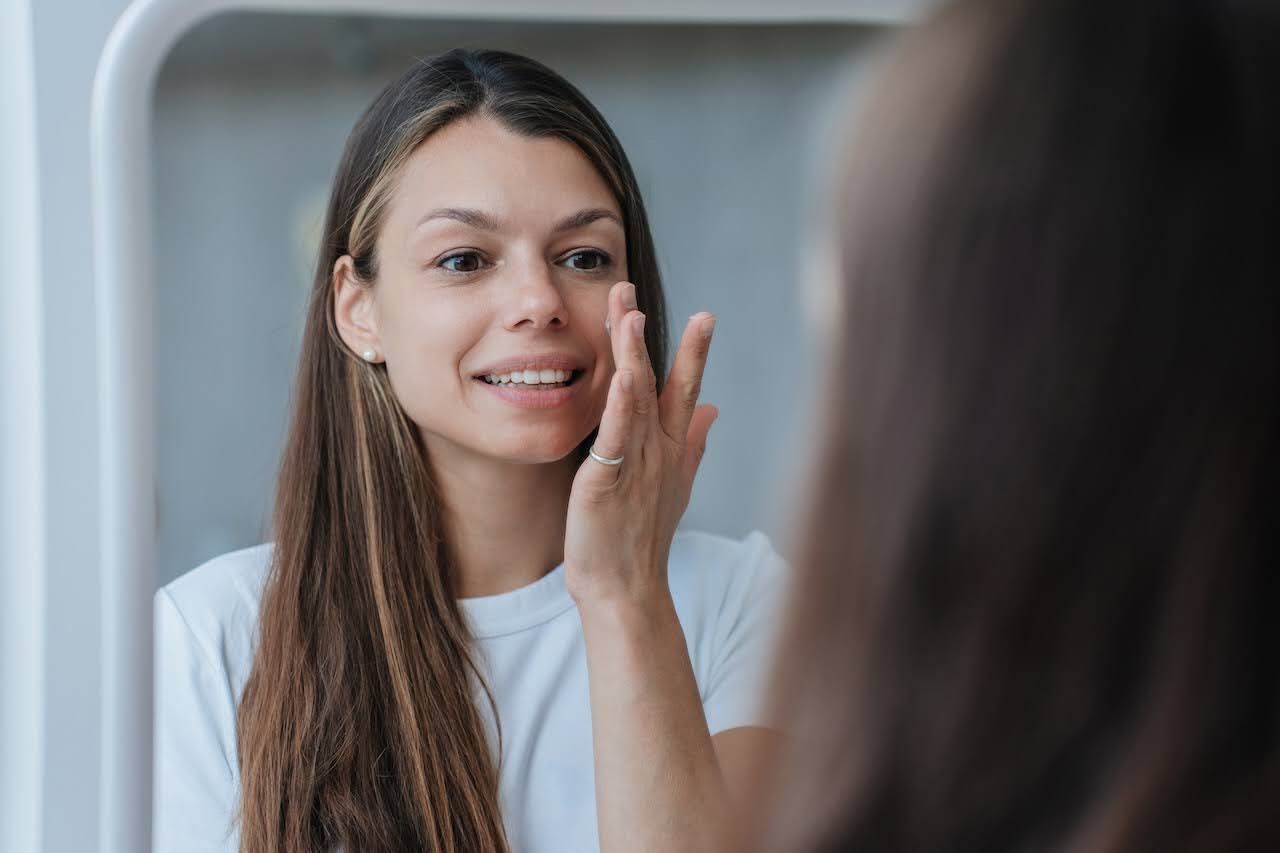
A daily dose of Vitamin D is essential for healthy, happy skin. However, many clients shy away from increasing their sunshine intake due to concerns about sun exposure and its harmful effects on the skin. As a skincare professional, you can guide your clients on how to procure enough Vitamin D production while still protecting their skin from the sun.
WHY IS VITAMIN D SO IMPORTANT FOR SKIN HEALTH?
Vitamin D is a fat-soluble molecule that plays a vital role in maintaining skin health. It helps regulate cell growth and repair, reduces inflammation and enhances the skin's ability to fight off infection.
Vitamin D also impacts aging skin. Research shows Vitamin D deficiency is linked to premature aging, fine lines and wrinkles. Without the proper amount of Vitamin D—and Vitamin D synthesis—your client's skin becomes more susceptible to free radical damage and collagen breakdown.
VITAMIN D SYNTHESIS
When the skin is exposed to UVB radiation, the energy from the sun's rays transforms cholesterol into previtamin D3. This previtamin converts into Vitamin D3, which the liver metabolizes into its active form. This is the most common form of Vitamin D that supports skin health and immunity, but it can also be obtained through food sources and supplements.
FACTORS THAT AFFECT VITAMIN D SYNTHESIS
Vitamin D synthesis is a delicate balance—too much exposure to UVB radiation can lead to sunburn and skin damage, while too little can result in Vitamin D deficiency. Your client's optimal conditions for Vitamin D synthesis will depend on:
- Time: Vitamin D synthesis is most efficient when the skin is exposed to sunlight at solar noon. However, some morning sun time is a way to avoid the strongest UV rays.
- Location: The closer to the equator your client is, the more efficiently their skin can produce Vitamin D. This is due to the angle of the sun's rays and less atmosphere for UVB radiation to pass through.
- Skin Color: The amount of melanin in the skin affects its ability to produce Vitamin D. Darker skin has more melanin, which can slow down the synthesis process.
- Age: Older individuals have a reduced capacity for Vitamin D synthesis compared to young adults.
EXCESSIVE SUN EXPOSURE AND ITS EFFECTS ON THE SKIN
While sun exposure is necessary for Vitamin D synthesis, excessive exposure can lead to a host of skin problems—especially if your client is counting on the sun as their only source of Vitamin D.
There are three types of UV radiation: UVC is absorbed by the ozone layer and does not reach the skin, and UVB is responsible for sunburns and is necessary for Vitamin D production. UVA rays, on the other hand, penetrate deep into the skin and can cause long-term damage without proper protection.
SHORT-TERM EFFECTS

- Sunburn: When the skin is exposed to excessive UVB radiation without protection, it leads to red, painful and inflamed skin known as sunburn. This damage can cause long-term effects, such as premature aging and an increased risk of skin cancer.
- Hyperpigmentation: Excessive sun exposure can also cause an overproduction of melanin in the skin, leading to dark spots and uneven skin tone.
LONG-TERM EFFECTS

- Premature Aging: UVA rays penetrate past clouds and glass to go deep into the skin, damaging collagen and elastin fibers and causing wrinkles, sagging and other signs of premature aging.
- Skin Cancer: Continuous and unprotected exposure to UV radiation increases the risk of skin cancer, including melanoma, the most dangerous form of skin cancer.

HOW TO MAXIMIZE SAFE VITAMIN D PRODUCTION
As a skincare professional, your goal is to educate clients on safe and effective ways to maximize all sources of Vitamin D production without compromising their skin health. Here are some tips to get started.
1. SHARE SAFE SUN EXPOSURE GUIDELINES



Tanning beds, prolonged sun exposure without proper protection or even standing too close to a window can increase the risk of skin damage and cancer. Educate your clients on safe sun exposure guidelines, such as avoiding peak sun hours and applying sunscreen daily.
2. TEACH THE NEED FOR FREQUENT SUNSCREEN APPLICATION

Optimal sunscreen use requires clients to reapply every two hours while outside. Though sunscreen is essential for protecting the skin from UV radiation, it’s easy to forget to reapply. If your clients are worried about consistent reapplication, encourage them to enjoy the morning sun for 10 – 15 minutes to get their daily Vitamin D dose.
3. RECOMMEND PROTECTIVE CLOTHING & ACCESSORIES



Wearing hats, sunglasses and protective clothing can help shield the skin from harmful UVA rays. Clothing with UPF (Ultraviolet Protection Factor) is designed to block out UV radiation and is an excellent option for clients who spend a lot of time outdoors.
4. UTILIZE THE FITZPATRICK SCALE TO DETERMINE UV SENSITIVITY

The Fitzpatrick scale is a numerical classification system that measures the skin's response to UV radiation. Understanding your client's Fitzpatrick Skin Type will determine their UV sensitivity and appropriate sun exposure levels—and if they need to utilize other sources of Vitamin D. This will also help you choose the right skincare products in the treatment room.
Though types I – III are more susceptible to sunburns and UV sensitivity, every Fitzpatrick Skin Type needs broad-spectrum sunscreen. Recommend applying our Hydrating Protection Gel with SPF 30, both indoors and outdoors, with reapplication every two hours while exposed to UV rays.
5. CREATE PERSONALIZED SKINCARE STRATEGIES

Every client's skin is unique, and their needs will vary. Creating a personalized skincare strategy that includes safe sun exposure guidelines, appropriate Vitamin D intake and protective measures will help your clients achieve healthy skin without compromising their overall health.
You can also tailor your product recommendations based on your client's skin type. If you have clients with dry skin, have them try our Moisturizing Protective Cream with SPF 30. This FDA-tested and dual-functioning product will replenish essential moisture as well as protect and heal the skin from photodamage.
FINAL TIPS TO UTILIZE MULTIPLE SOURCES OF VITAMIN D
If your clients are still hesitant about increasing their Vitamin D intake through sun exposure, remind them that there are many sources of Vitamin D they can use to get the daily recommended dose, including food sources and supplements.
Once you've educated your clients on maximizing Vitamin D production, they can confidently enjoy some sun time without worrying about the risks. And, as a skincare professional, you can continue to empower your clients to take care of their skin!
If you're looking for professional opportunities to expand your knowledge and skills, register as a GlyMed Pro today to gain access to dozens of world-class webinars, courses and resources.
BECOME A GLYMED+ PROFESSIONAL
Like this content? Thousands of licensed skincare professionals have discovered the benefits of becoming a GlyMed+ Pro. Now's the time to join an elite group of estheticians dedicated to providing the best skincare services using the most effective products.
Click below to begin your GlyMed+ partnership and take your skincare business to new heights!
Become a ProSUPPORTING SKINCARE PROFESSIONALS
All GlyMed+ products are sold through licensed professionals to ensure product integrity and proper skincare instruction. As you work with a GlyMed+ Professional, you’ll receive personalized skincare treatments and home care regimens to help you achieve your skin goals.
Contact Your Local GlyMed+ ProFOLLOW US @GLYMEDPLUS
STAY CONNECTED
Enter your email to get the latest news, tips and deals straight to your inbox