
THE POWER OF EXFOLIATION: EVERYTHING YOU NEED TO KNOW
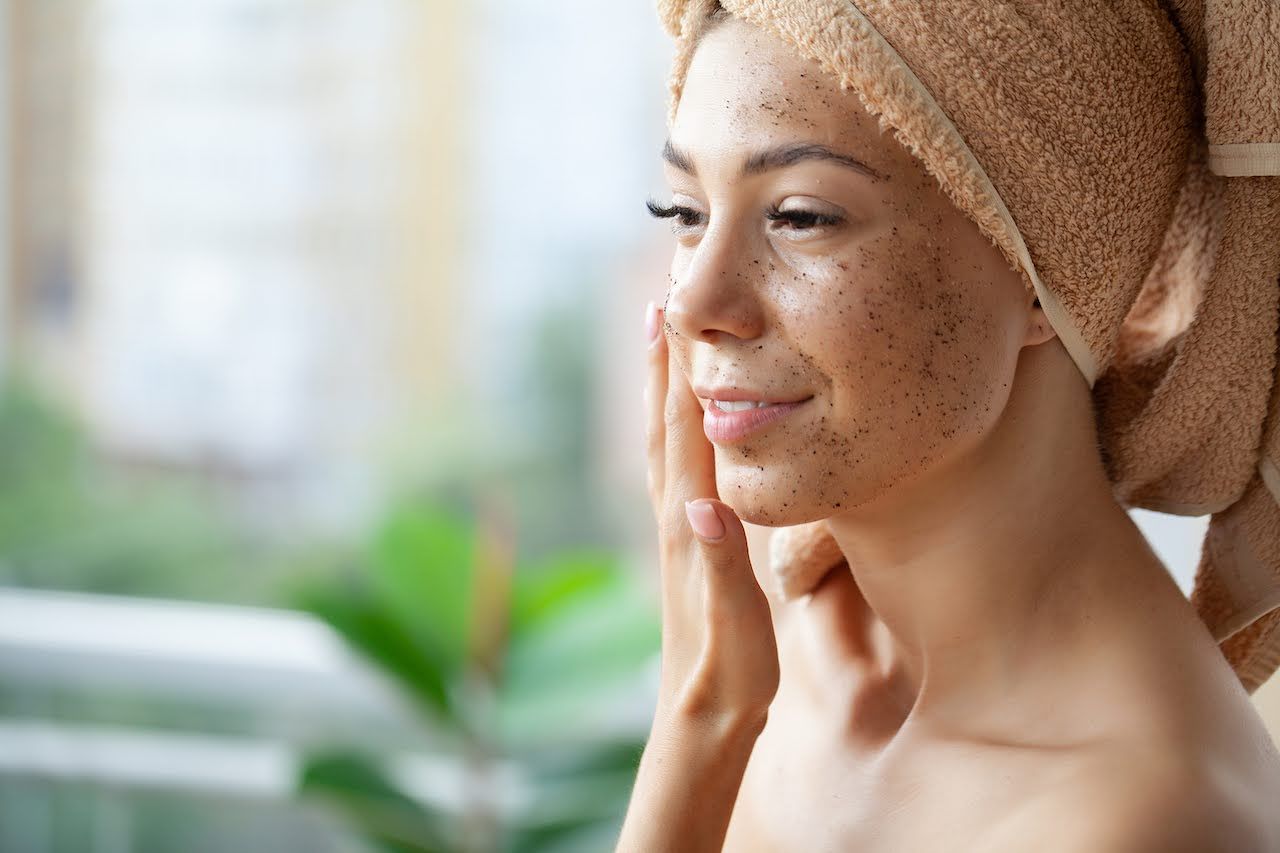
Exfoliation is a vital step in any skincare routine, and it's no secret that it has become an important treatment step in the beauty industry. In this article, dive deep into the world of exfoliators to uncover their power to transform your client's skin.
AN OVERVIEW OF EXFOLIATION BASICS
Exfoliation has been used for centuries to improve overall skin health and appearance. By removing dead skin cells from the surface of your client's skin, you reveal fresher and brighter skin underneath.
The human skin naturally exfoliates itself approximately every 30 days. However, age, sun damage and dryness slow down this process over time. The resulting buildup of dead skin cells appears as a dull complexion and uneven skin texture.
Luckily, exfoliators alleviate these problems by speeding up cellular turnover to remove dead skin. They even reduce conditions such as acne, hyperpigmentation and fine lines.
A DEEP DIVE INTO EXFOLIATION SCIENCE
Exfoliation operates on a microscopic level to stimulate skin renewal; it removes dead skin cell buildup by dissolving the cells or gently rubbing the stratum corneum to detach them.
This action not only removes these lifeless cells but also initiates a biological response. By triggering the basal cells to proliferate and migrate upwards, exfoliators accelerate cell turnover and reveal a rejuvenated complexion.
There are two types of exfoliation methods. It’s important to note the differences to find the one that works best for each client.
CHEMICAL EXFOLIATION
Chemical exfoliants are soluble acids that unclog pores, dissolve dead skin cells and improve overall skin texture. Compared to physical exfoliation, these penetrate deeper into the skin to work beneath its surface.
- AHAs exfoliate the skin's surface by breaking down the bonds between dead skin cells. AHAs like glycolic acid (in our Glycolic Facial Cleanser) best benefit dry or aging skin since they mainly exfoliate the surface layer.
- BHAs are oil-soluble, anti-inflammatory acids that remove dead skin cells from the pores and help reduce sebum production. Salicylic acid and other BHAs penetrate deeper into the skin than AHAs to unclog the pores, so products like our Purifying Cleanser with Salicylic Acid work best for oily or acne-prone skin.
- Proteolytic Enzymes break down the keratin protein in dead skin cells, thereby loosening them from the surface of the skin. This gentler form of chemical exfoliation is used in our Hydrating Masque With Enzymes for sensitive skin.
PHYSICAL EXFOLIATION
Physical exfoliants use small particles like grains or microbeads to physically slough off dead skin cells. Physical exfoliation works best on the top layer of the epidermis and is suitable for skin types that aren’t sensitive or acne-prone.
- Microdermabrasion is a procedure with one of the following methods: either corundum crystals are sprayed onto the skin via a wand and then vacuumed back up (similar to sandblasting) or a diamond micro tip is scraped across the skin. This treatment is ideal for clients with enlarged pores and uneven skin texture.
- Scrubs contain small particles like sugar, salt or jojoba beads to physically exfoliate the surface of the skin. Our Peptide Micro Scrub uses corundum crystals to gently polish every part of the body and reveal a healthy glow.
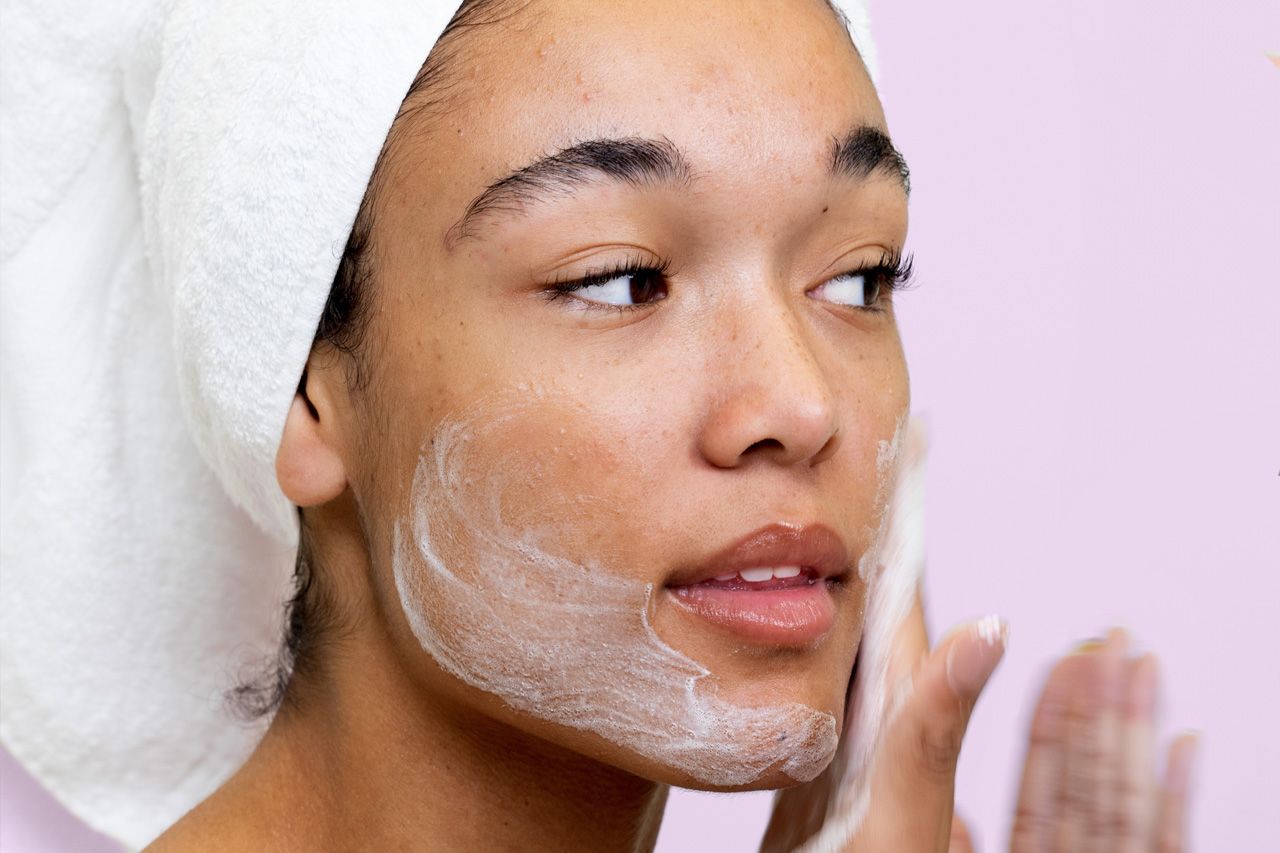

While physical exfoliants greatly benefit skin health, excessive exfoliation disrupts the skin's lipid barrier, leaving it susceptible to dehydration and inflammation. It can also exacerbate acne and rosacea, and lead to increased photosensitivity. To achieve optimal results, find a balanced approach when using exfoliators.
IS NIGHTTIME IDEAL FOR EXFOLIATION?
Exfoliating at night will benefit your clients for two reasons. First, skin cell turnover peaks at night, so exfoliating before bedtime will enhance the renewal process. Secondly, exfoliators can cause temporary photosensitivity. Since there is a low UV exposure risk at night, it’s the best time to exfoliate.
To incorporate exfoliation into your client's nighttime routine, recommend the following steps:
- Cleanse the skin. Use our Mega Cream Cleanser for an extra-gentle touch.
- Apply an exfoliator suited to their skin type.
- Treat existing skin conditions with a tailored serum.
- Balance the skin with a moisturizer like our Daily Repair Cream.

Exfoliation is a powerful tool for improving skin health and achieving a radiant complexion. Remember to introduce exfoliation gradually and listen to your client's feedback to achieve the best results. A well-executed exfoliation routine can truly transform your client's skin, making it smoother, brighter and healthier.
Become a GlyMed Pro for more information about professional skincare and how to transform your clients' routines.
BECOME A GLYMED+ PROFESSIONAL
Like this content? Thousands of licensed skincare professionals have discovered the benefits of becoming a GlyMed+ Pro. Now's the time to join an elite group of estheticians dedicated to providing the best skincare services using the most effective products.
Click below to begin your GlyMed+ partnership and take your skincare business to new heights!
Become a ProSUPPORTING SKINCARE PROFESSIONALS
All GlyMed+ products are sold through licensed professionals to ensure product integrity and proper skincare instruction. As you work with a GlyMed+ Professional, you’ll receive personalized skincare treatments and home care regimens to help you achieve your skin goals.
Contact Your Local GlyMed+ ProFOLLOW US @GLYMEDPLUS
STAY CONNECTED
Enter your email to get the latest news, tips and deals straight to your inbox