
PSORIASIS TRIGGERS: WHAT YOU SHOULD KNOW
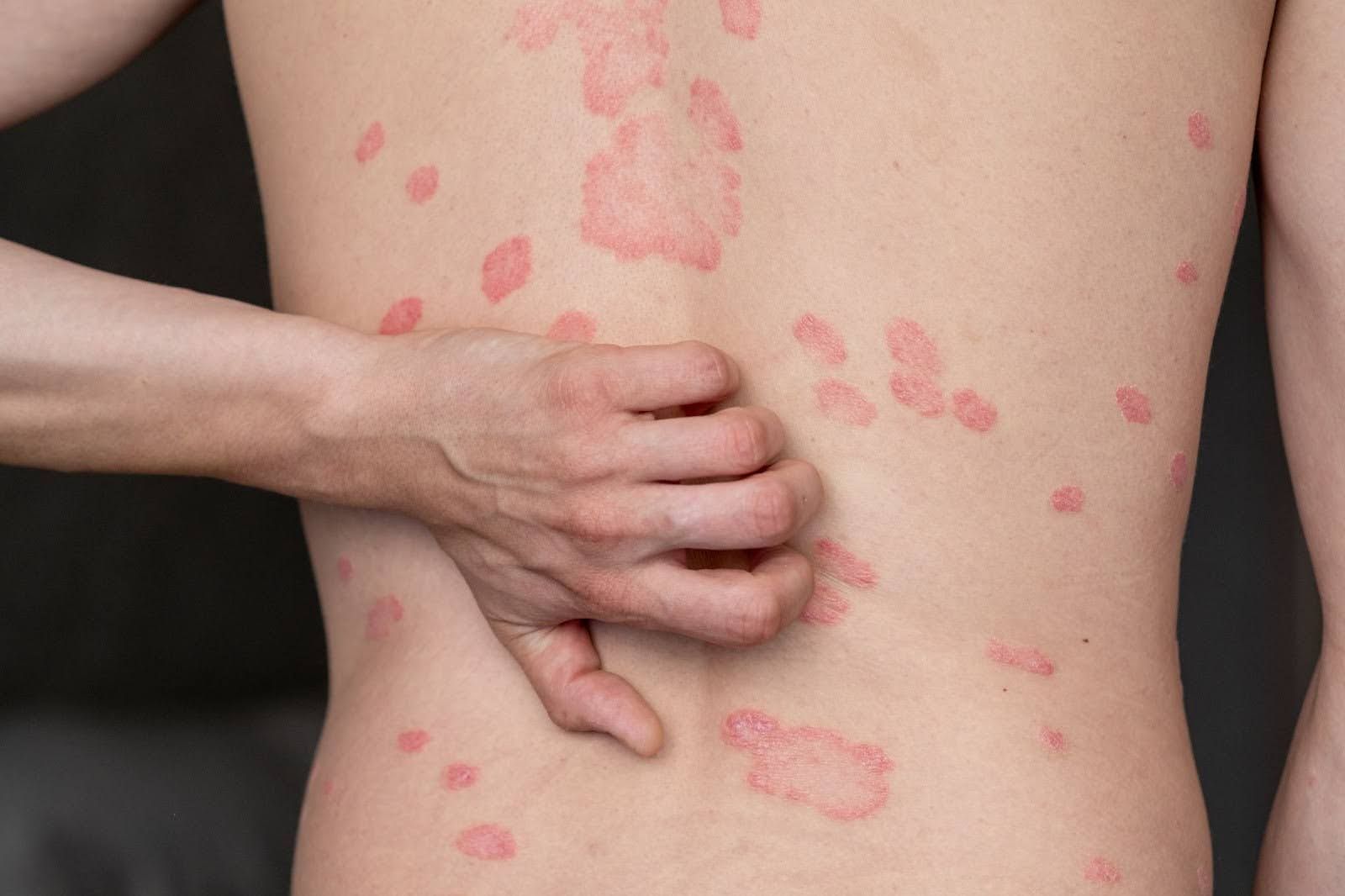
Psoriasis is a chronic skin condition that impacts millions of people worldwide. As a skincare professional, it's important to understand common psoriasis triggers to help your clients effectively manage their symptoms and gain the confidence they deserve to feel in their skin.
THE BASICS OF PSORIASIS
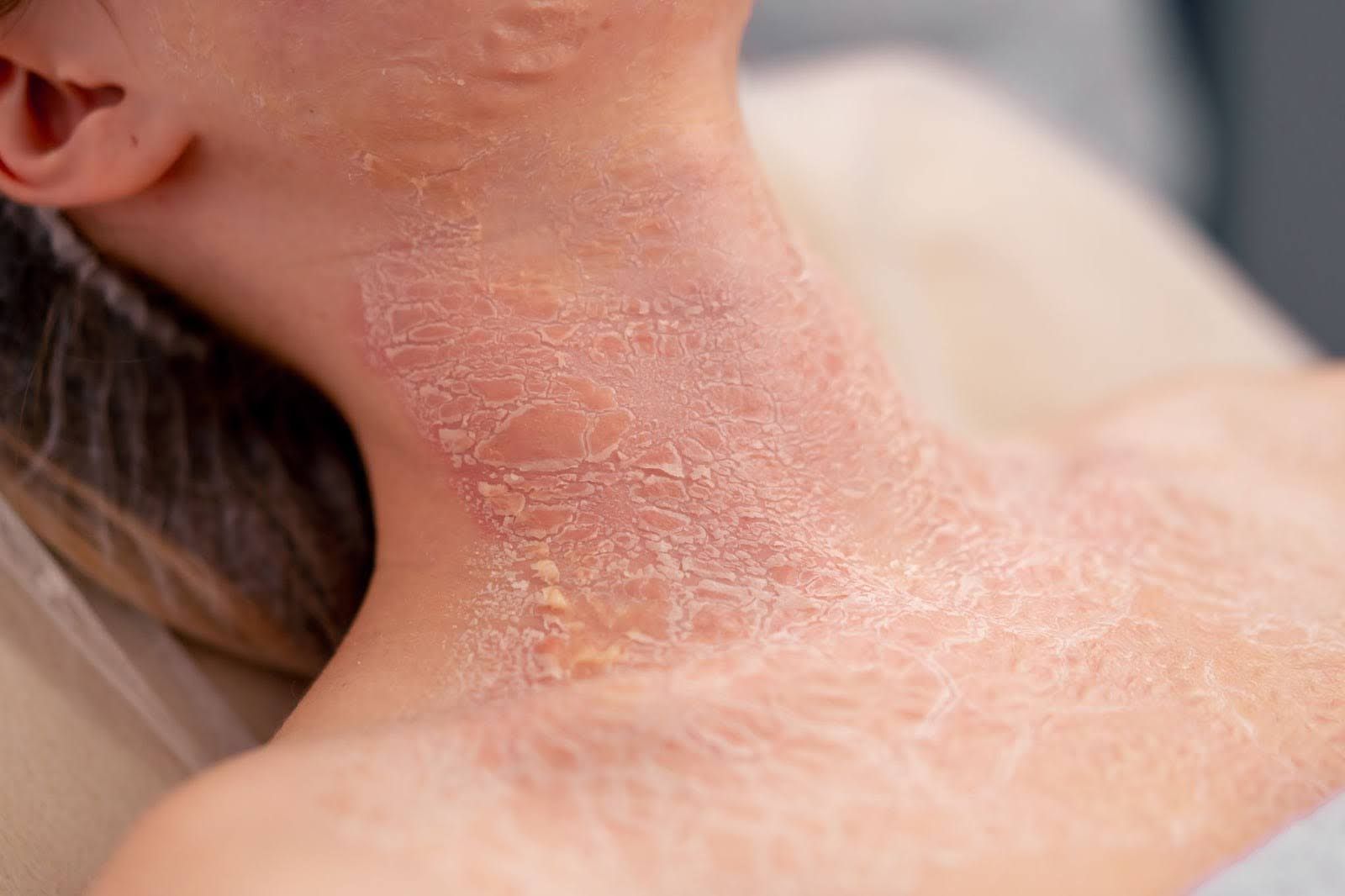

Psoriasis is a complex autoimmune disorder that causes the skin cells to multiply at an accelerated rate. This leads to the formation of thick, red and scaly patches of skin, commonly found on the elbows, knees, scalp and lower back. These patches can be itchy, painful and may even crack and bleed.
About 125 million people around the world are affected by psoriasis with approximately 7.5 – 8 million cases in the United States alone—and not every client is the same. The different types of psoriasis include:
- Plaque Psoriasis: The most common type, characterized by red, raised patches with a silvery-white coating. These patches can be itchy and painful.
- Guttate Psoriasis: Appears as small, red spots on the skin and is often triggered by a bacterial or viral infection.
- Inverse Psoriasis: Found in skin folds, such as the groin area, underarms and buttocks. This type may appear as smooth, red patches of skin.
- Pustular Psoriasis: This type is rare and appears as pus-filled blisters. It can be accompanied by fever and chills.
- Erythrodermic Psoriasis: A severe, rare type that covers a large area of the body, causing intense itching, redness and shedding of the skin.
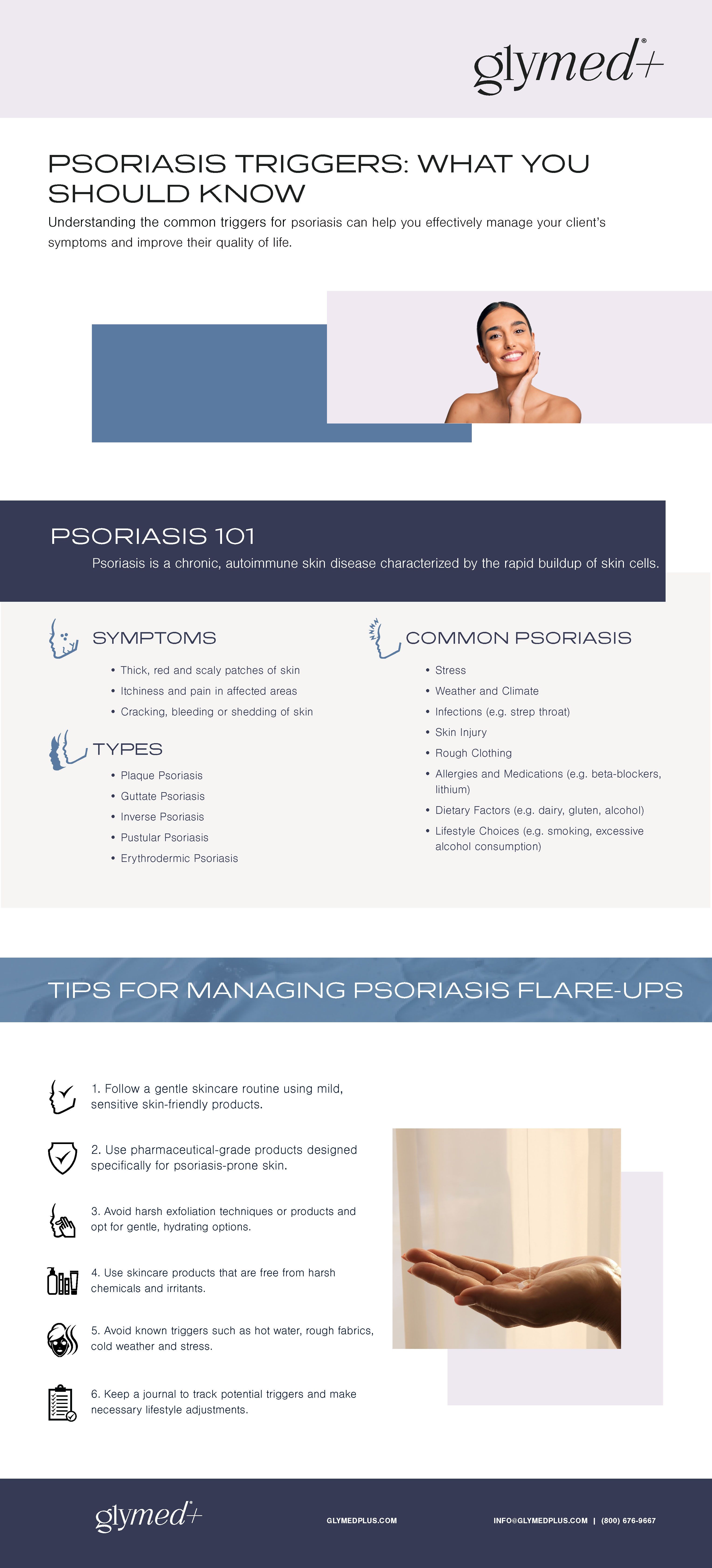
UNDERSTANDING PSORIASIS TRIGGERS
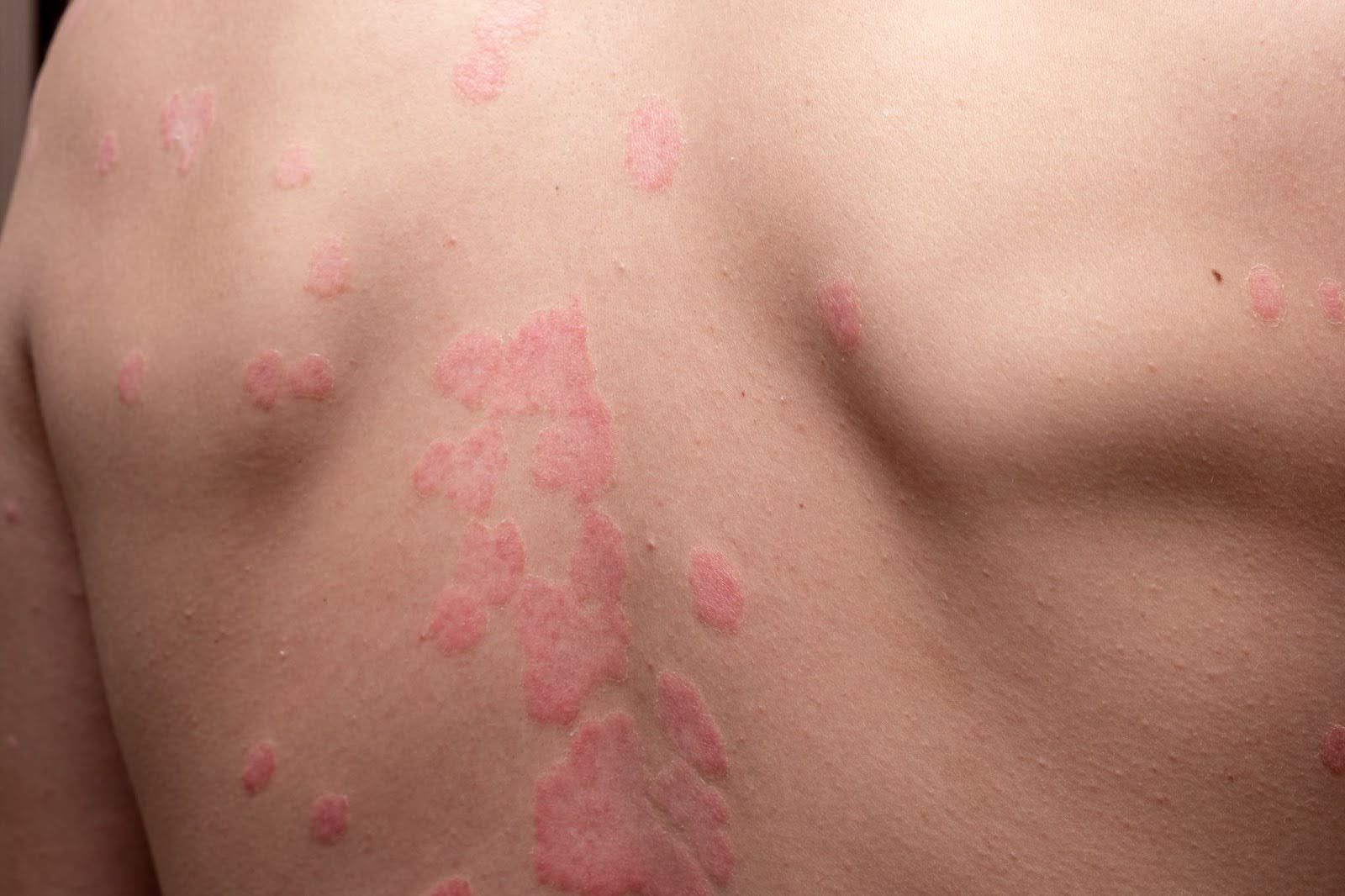

The exact cause of psoriasis is still unknown; however, we do have a good idea of what environmental factors or conditions elicit reactions.
Because psoriasis is an auto-immune disease, anything that directly affects or manipulates the immune system may contribute to flare-ups. Below is a list of possible triggers so you can support your clients as much as possible in managing their symptoms.
- Stress: High levels of stress can cause the immune system to malfunction, which may result in psoriasis flare-ups.
- Weather and Climate: Cold weather often dries out the skin, making psoriasis symptoms worse. Conversely, hot and humid weather may cause sweating and irritation in the affected areas.
- Infections: Bacterial or viral infections can also trigger guttate psoriasis. During sick seasons, strep throat becomes a common culprit since it spreads faster than other bacterial infections. The body’s immune response to strep throat activates T cells that then travel to other tissues, like the skin. Here, the T cells can overreact to skin lipids and overproduce inflammatory proteins, causing psoriasis.
- Skin Injury: Any form of skin injury, including sunburns, cuts and bug bites, may trigger psoriasis in those with a genetic predisposition.
- Rough Clothing: Tight or rough clothing can cause friction and irritation on the skin, leading to a psoriasis flare-up.
- Medications: Certain medications like beta-blockers, lithium and antimalarials can trigger psoriasis symptoms for some individuals.
- Allergies: Allergic reactions to certain substances or products can also cause psoriasis flare-ups.
- Dietary Factors: Although there's no direct evidence linking specific foods to psoriasis, some clients may find that certain foods like dairy, gluten or alcohol worsen their symptoms.
- Lifestyle Choices: Smoking and excessive alcohol consumption may trigger or exacerbate psoriasis symptoms.
HOW TO MANAGE PSORIASIS & MINIMIZE FLARE-UPS


Psoriasis can have its ups and downs, but with the right care, it can be managed effectively. Here are some tips to help your clients feel confident and supported in controlling their psoriasis!
A BALANCED AND TAILORED SKINCARE ROUTINE
A gentle skincare routine is crucial for people with psoriasis. Recommend your clients avoid harsh soaps and opt for mild, sensitive skin-friendly cleansers instead. Regular moisturizing is also essential to keep the skin hydrated and prevent dryness that can add to psoriasis symptoms.
To soothe any skin reactions and irritations as your clients balance their skincare routine, advise them to keep Comfort Cream with Aloe Vera on hand. It's a gentle, hydrating moisturizer that uses a 2:1 concentration of Aloe Vera, so if a new product is giving them trouble, clients can use this cream for immediate relief.
PRODUCTS DESIGNED FOR SENSITIVE, PSORIASIS-PRONE SKIN
Many skincare products on the market contain harsh ingredients that can irritate psoriasis-prone skin. It's essential to educate your clients on choosing products specifically designed for sensitive, inflamed skin.
Our Foaming Cleanser with Amino Acids is a great example of a pharmaceutical-grade product with amazing benefits for psoriasis clients. Its mix of Citrus Bergamia Oil, Lavender and natural antioxidants targets dry, flaky, inflamed skin while gently cleansing and hydrating.
GENTLE EXFOLIATION
Exfoliation is key to managing psoriasis, but it's essential to be gentle and avoid abrasive techniques or products that cause further irritation.
Our Hydrating Masque with Enzymes is friendly for sensitive skin and can be used 1 – 3 times a week as a hydrating and exfoliating treatment product. Advise your clients to take advantage of this Vitamin C-infused masque to exfoliate with less worry.
LESS EXPOSURE TO SKINCARE PRODUCT IRRITANTS
Harsh chemicals found in common skincare products can trigger psoriasis flare-ups. As a skincare professional, you play a crucial role in educating your clients on the importance of avoiding these irritants. Advise your clients to only use pharmaceutical-grade products that are free from harmful chemicals like parabens, fragrances, alcohol and dyes.
AVOIDANCE OF KNOWN PSORIASIS TRIGGERS
As a skincare professional, you’ll want all the knowledge possible under your belt so you can properly educate your clients. This includes being aware of all known psoriasis triggers. Take some time to read through reliable sources of information so you can help as much as possible.
Encourage your clients to avoid hot water, rough fabrics, cold weather and stress as much as possible. Recommend starting a journal to recognize any patterns and make necessary lifestyle adjustments.
DEDICATED AESTHETIC EDUCATION & RESOURCES
As a skincare professional, it's essential to stay up-to-date with the latest information and resources on psoriasis. The best way to access high-quality education is through professional organizations like GlyMed Plus. Join the team as a registered GlyMed Plus Professional to attend exclusive educational workshops and connect with other skincare professionals. By enhancing your knowledge, you’ll provide only the best care for your clients.
BECOME A GLYMED+ PROFESSIONAL
Like this content? Thousands of licensed skincare professionals have discovered the benefits of becoming a GlyMed+ Pro. Now's the time to join an elite group of estheticians dedicated to providing the best skincare services using the most effective products.
Click below to begin your GlyMed+ partnership and take your skincare business to new heights!
Become a ProSUPPORTING SKINCARE PROFESSIONALS
All GlyMed+ products are sold through licensed professionals to ensure product integrity and proper skincare instruction. As you work with a GlyMed+ Professional, you’ll receive personalized skincare treatments and home care regimens to help you achieve your skin goals.
Contact Your Local GlyMed+ ProFOLLOW US @GLYMEDPLUS
STAY CONNECTED
Enter your email to get the latest news, tips and deals straight to your inbox