
UNDERSTANDING AND REDUCING INFLAMMATION AND ERYTHEMA

Skin inflammation and erythema are a natural part of the body's immune response as it fights against harmful substances or pathogens. However, these reactions can also cause discomfort, long-term damage and emotional distress if left unchecked.
As a skincare professional, it is important to understand how to effectively manage these symptoms to promote healthy skin and support your client's overall well-being.
SKIN INFLAMMATION 101
Skin inflammation, or dermatitis, occurs when the immune system reacts to a perceived threat on the skin's surface. When this response is activated, the body releases various chemicals like histamine and cytokines, which cause blood vessels to dilate and the affected area to become red, swollen, hot or itchy. There are two main types of dermatitis:
- Acute Inflammation: This short-term, localized response typically lasts for a few days and is marked by redness, warmth, swelling and pain. Acute inflammation can occur after injuries or irritations and may lead to temporary issues like redness or breakouts.
- Chronic Inflammation: This long-term, systemic response can last for months or even years and is associated with skin conditions like eczema, psoriasis, rosacea and autoimmune disorders. Chronic inflammation can cause persistent redness, pain, flaking and other skin changes that require medical attention.
ERYTHEMA: A COMMON MANIFESTATION OF INFLAMMATION
Erythema, or skin redness, is a common manifestation of skin inflammation that can range from mild flushing to severe, visible irritation. It occurs when increased blood flow causes more oxygenated blood to rush to the affected area, causing a reddish hue. UV exposure, irritants, extreme weather and stress can also trigger erythema.
When dermatitis and erythema occur, the body's immune response can heighten vascular permeability, leading to edema. Edema is the accumulation of excess fluid in the tissues, commonly resulting in swelling. While this process serves a protective function, it can also lead to discomfort and intensify the appearance of redness on the skin.
INFLAMMATION IS CRUCIAL TO ADDRESS FOR SKIN HEALTH
While inflamed skin is a natural and necessary response, it can also severely damage the skin if not managed properly. Chronic inflammation can lead to tissue damage, compromised barrier function and premature aging. Additionally, when the skin is inflamed, it may appear irritated and puffy—traits that can negatively impact your client's self-esteem and overall satisfaction.
By prioritizing inflammation reduction, you can improve skin texture and tone to make your client’s skin look and feel smoother and more vibrant. This not only enhances the effectiveness of your skincare treatments but also fosters greater client satisfaction and loyalty, driving success in your skincare practice.
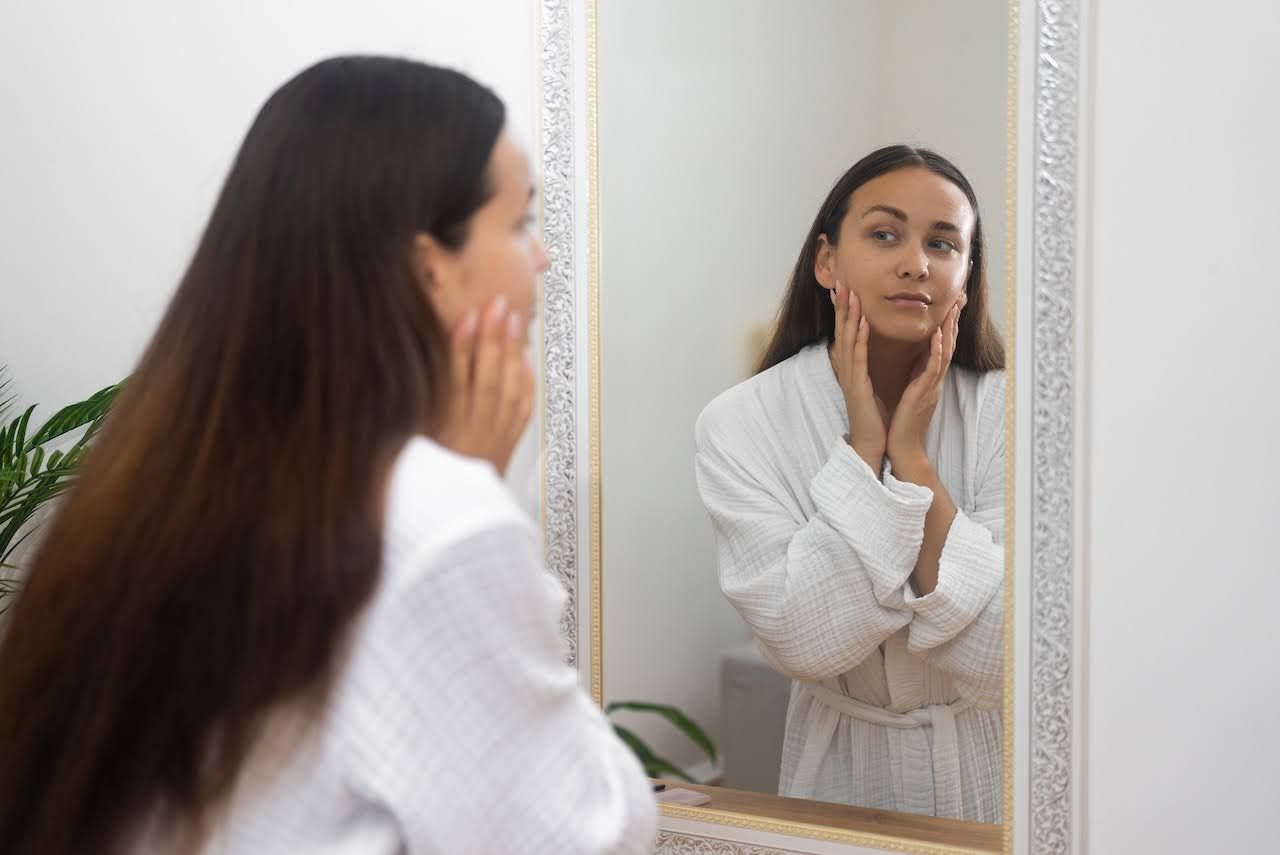
WHAT TRIGGERS SKIN INFLAMMATION?
To effectively manage inflamed skin and erythema, it's essential to understand potential triggers that may exacerbate these conditions.
EXTERNAL FACTORS
- Environmental Stressors: Exposure to pollution, UV radiation or extreme temperatures can disrupt the skin's barrier function and cause inflammatory responses.
- Chemical Irritants: Harsh ingredients or excessive use of skincare products and treatments can irritate the skin and trigger dermatitis.
- Allergens: Allergic reactions to certain substances, such as fragrances, dyes or preservatives, can cause inflammation and erythema on the skin's surface.
INTERNAL FACTORS
- Genetics: Some individuals may have a genetic predisposition to certain skin conditions, making them more prone to inflammation and erythema.
- Autoimmune Disorders and Diseases: Autoimmune conditions often lead to an overactive immune response that can cause systemic dermatitis.
- Stress: Ongoing stress can weaken the skin's barrier function and increase inflammatory responses.
PROCEDURAL INFLUENCES
- Cosmetic Procedures: Treatments like chemical peels, microdermabrasion or laser therapy can cause temporary inflamed skin and erythema.
- Invasive Procedures: Invasive procedures like microneedling or dermal fillers may also cause dermatitis due to the penetration of the skin's protective barrier.
Post-Procedure Complications: Improper aftercare or use of unsuitable products post-treatment can lead to erythema.
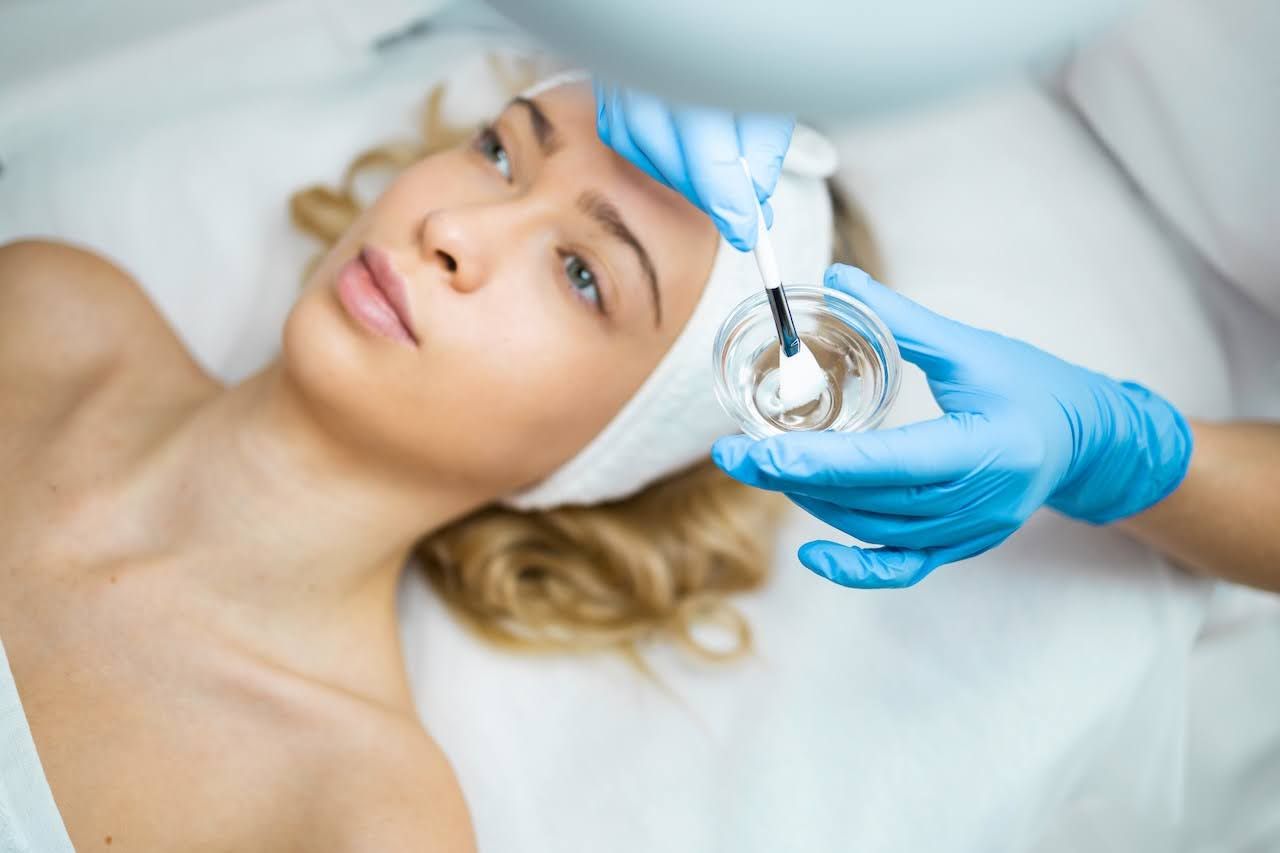
TOP STRATEGIES FOR MANAGING INFLAMMATION
As a skincare professional, there are several strategies you can implement to help reduce these symptoms and promote healthier, more radiant skin for your clients.
SKINCARE FORMULATIONS AND INGREDIENTS
Luckily, there are many anti-inflammatory ingredients and formulations that reduce inflammation and erythema. Niacinamide, Chamomile, Horse Chestnut and Aloe Vera are all great options known for their soothing properties. Recommend products like GlyMed Plus CBD Skin Mist, which is infused with Niacinamide, CBD and Hyaluronic Acid to reduce redness throughout the day.
You can also strengthen the skin barrier with ceramides, fatty acids and peptides. These ingredients will seal in moisture and protect against external stressors, making the skin less susceptible to dermatitis.
Try adding CBD Hydratherapy Masque with Micro-Silver to your treatments for a potent, hydrating boost. This product was formulated for inflamed, compromised skin and can be applied to clients with a sensitive, rosacea-prone or acne-prone complexion.
PROFESSIONAL TECHNIQUES FOR IN-CLINIC TREATMENTS
During treatments in-clinic, you can employ techniques to minimize inflamed skin and erythema. Gentle handling of the skin using cool compresses and avoiding excessive heat or friction can help reduce these symptoms.
Additionally, the strategic use of targeted skincare treatments, such as chemical peels or extractions, can help prevent additional dermatitis and foster the healing process.
CLIENT HOME CARE APPROACH
Educating your clients and encouraging them to adopt an anti-inflammatory home care routine is crucial for managing skin inflammation and erythema. Recommend gentle cleansing, hydrating, and soothing products that contain anti-inflammatory ingredients to help maintain skin health between treatments. For example, clients can start their at-home routine with Mega Cream Cleanser, a gentle and nourishing first step that promotes balance and strengthens the skin barrier.
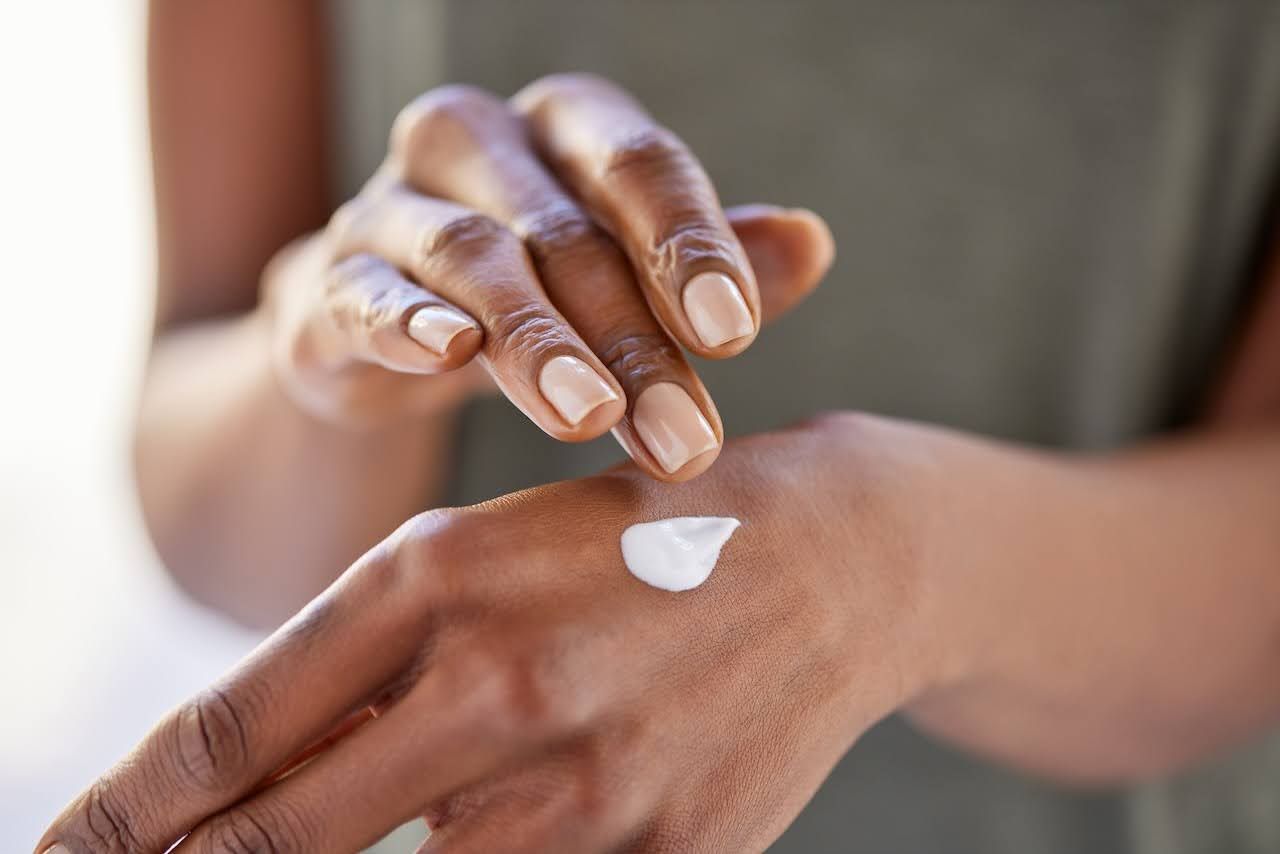

LIFESTYLE AND DIETARY CONSIDERATIONS
Lifestyle and dietary factors can also contribute to dermatitis. Encourage your clients to manage stress levels, get enough sleep and research a healthy diet rich in anti-inflammatory foods. With proper nutrition and self-care practices, your clients can support their skin's health from the inside out.
CONTINUE YOUR AESTHETIC EDUCATION
Skin inflammation and erythema are common yet complex conditions that require a multifaceted approach for effective management. As a skincare professional, you need to effectively understand their triggers, utilize suitable products and techniques and promote a holistic approach to skincare.
To ensure your success, register as a GlyMed Pro and accelerate your knowledge with our world-renowned training. By continuing your aesthetic education, you can provide even better care to your clients and support the growth and success of your skincare practice.
BECOME A GLYMED+ PROFESSIONAL
Like this content? Thousands of licensed skincare professionals have discovered the benefits of becoming a GlyMed+ Pro. Now's the time to join an elite group of estheticians dedicated to providing the best skincare services using the most effective products.
Click below to begin your GlyMed+ partnership and take your skincare business to new heights!
Become a ProSUPPORTING SKINCARE PROFESSIONALS
All GlyMed+ products are sold through licensed professionals to ensure product integrity and proper skincare instruction. As you work with a GlyMed+ Professional, you’ll receive personalized skincare treatments and home care regimens to help you achieve your skin goals.
Contact Your Local GlyMed+ ProFOLLOW US @GLYMEDPLUS
STAY CONNECTED
Enter your email to get the latest news, tips and deals straight to your inbox