
HOW TO SAFELY CARE FOR ACNE CLIENTS ON MEDICATION

The safest and most effective acne treatments prioritize the client's health. If you have clients currently on acne medication, their skin will react differently than usual to skincare products. But don’t worry! This guide is full of extra precautions you can take to ensure optimal results and minimize potential side effects.
A COMPREHENSIVE GUIDE TO ACNE MEDICATION
Many clients with acne use medication to minimize their breakouts. Each type addresses different aspects of acne pathology. Whether it decreases oil production, kills bacteria or exfoliates the skin, acne medication works to reduce acne lesions. Here are the most common types:
TOPICAL
- Antibiotics: These medications include clindamycin, erythromycin and dapsone. They kill acne-causing bacteria on the skin's surface to lessen inflammation and breakouts.
- Retinoids: Tretinoin, adapalene and tazarotene are common examples. They speed up cell turnover to prevent clogged pores and minimize acne's appearance.
- Benzoyl Peroxide: This OTC medication fights bacteria, unclogs pores and removes excess oil.
ORAL
- Isotretinoin (Accutane®): Isotretinoin is a powerful oral retinoid for severe acne. It works by scaling down oil production and bacteria growth.
- Antibiotics: Oral antibiotics like tetracycline, doxycycline and minocycline are prescribed to minimize inflammatory acne.
- Birth Control Pills: Certain types of birth control pills can help regulate hormones and improve acne in women.
Unfortunately, these medications can cause the skin to become dry, irritated and sensitive. As a skincare professional, understanding these medications and their potential effects is crucial to providing reliable acne treatment for clients on medication.
HOW TO ASSESS YOUR CLIENT’S NEEDS
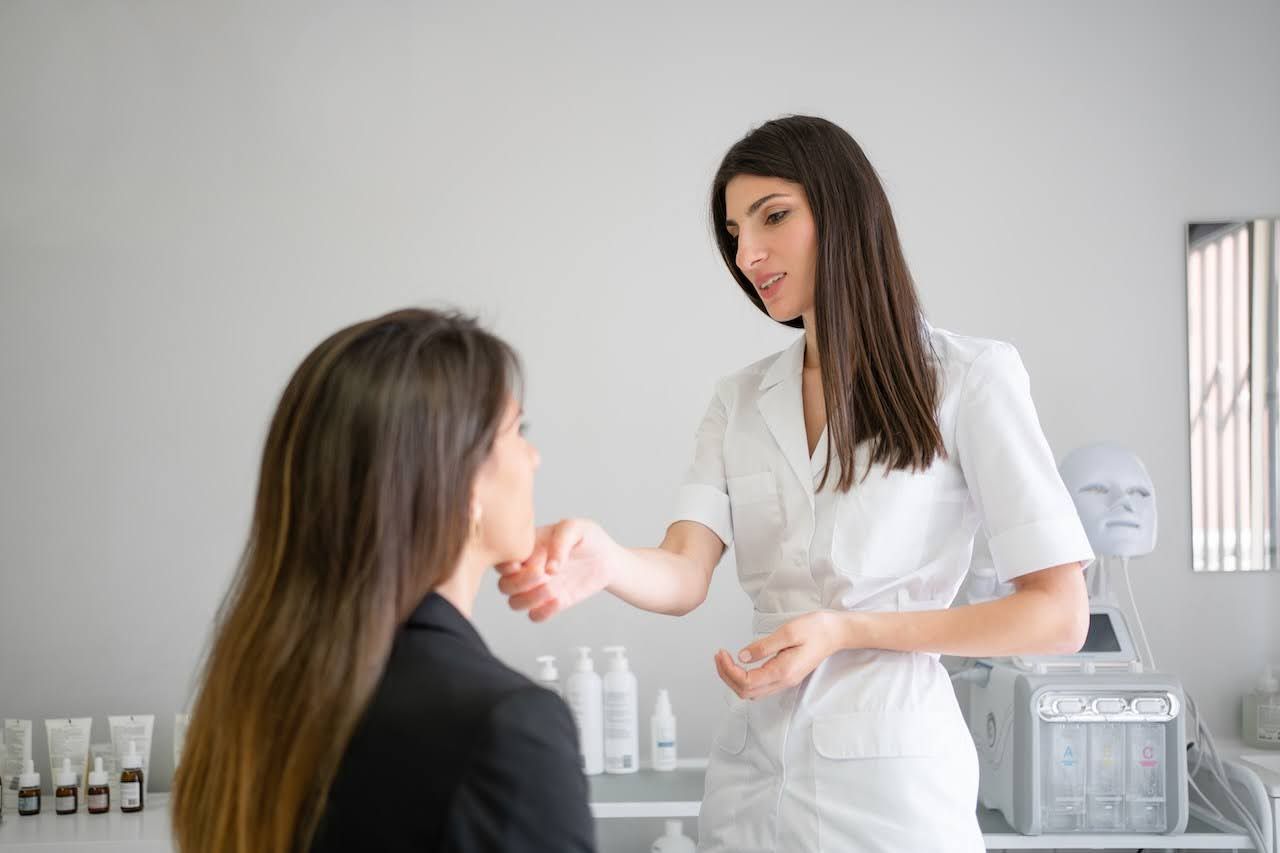

Before starting any acne treatment service, assess your client’s skin and their personal needs.
- Perform a Client Assessment: The first step to caring for clients on acne medication is to perform a thorough assessment. Evaluate their medical history and current medications to identify any contraindications or potential risks. Take note of their current skincare regime and what products and strategies they’re already using. Consult with their prescribing physician if necessary.
- Evaluate the Skin: Once you have a clear understanding of your client's acne regimen, determine what skin type they have and the client's sensitivity level. This information will help you select the most suitable products and acne treatments for their skin.
- Monitor All Progress: Implement regular assessments to track client progress. If their skin is not responding as expected, adjusting treatments or referring them back to their prescribing physician may be necessary.
TIPS FOR MANAGING POTENTIAL SIDE EFFECTS
While acne medications may effectively reduce breakouts, they can also cause side effects that are uncomfortable for clients. Observe the following tips to manage these potential side effects in the treatment room.
- Dryness, Flakiness and Irritation: These are the most common side effects of acne medications. Only use gentle, non-irritating products and avoid harsh exfoliants and abrasive tools.
- Photosensitivity: Acne medications can increase the skin's sensitivity to sunlight. End every treatment with broad-spectrum sunscreen, even when the client will be indoors for the rest of the day.
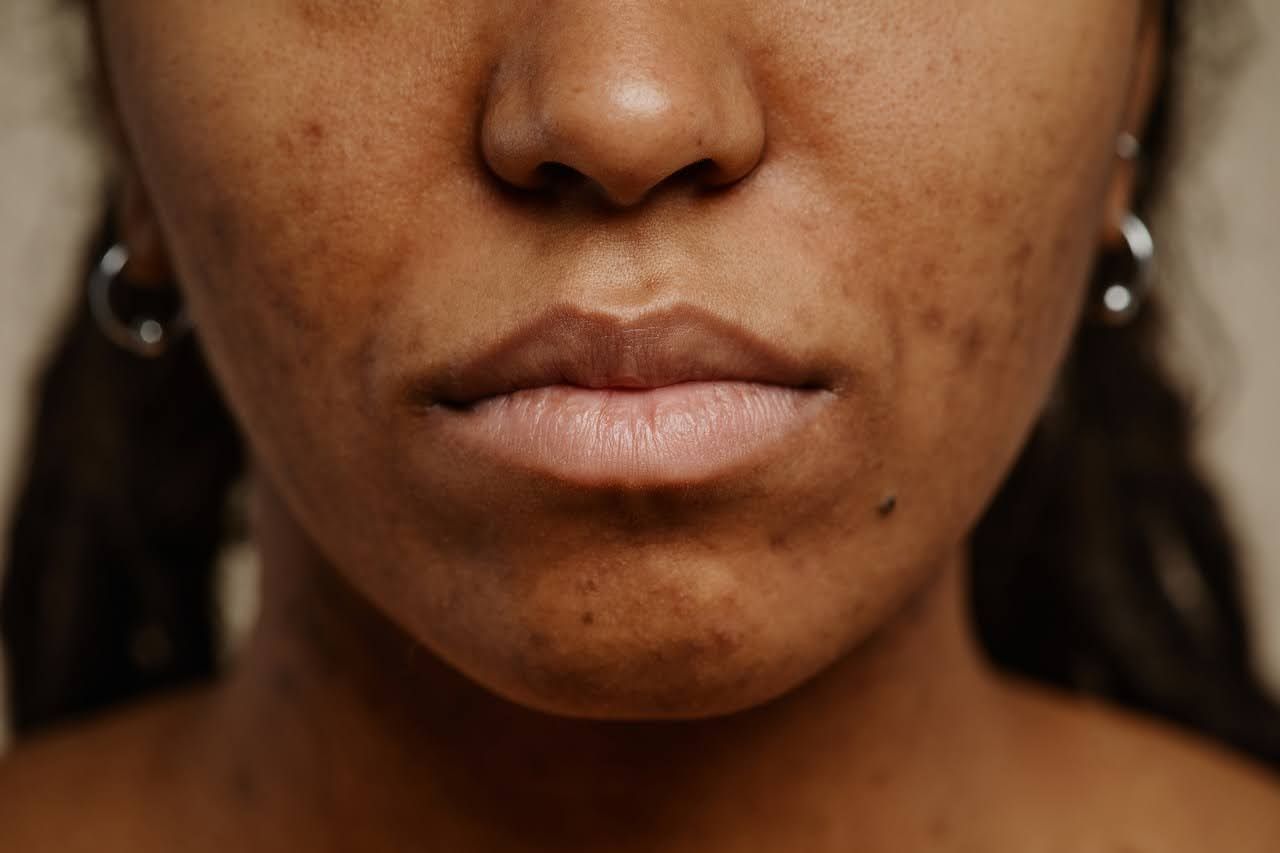
- Hyperpigmentation and Scarring: In some cases, acne medication can cause an increase in pigmentation or scarring. Monitor your client's skin closely during treatments and adjust products as needed to prevent these side effects.
Also, keep in mind which treatments are unsafe to perform while the client is on acne medications to prevent more harmful side effects. Use these reminders for the most common medications:
- Spironolactone: Each in-clinic treatment is safe to use, including microdermabrasion, chemical peels and lasers.
- Isotretinoin: In-clinical procedures should be avoided until the client is at least 6 months off their medication. However, you can perform reparative facials.
- Tetracycline: Every in-clinic treatment should be postponed until the client is at least one week off their medication.
DEVELOP THE PERFECT ACNE TREATMENT
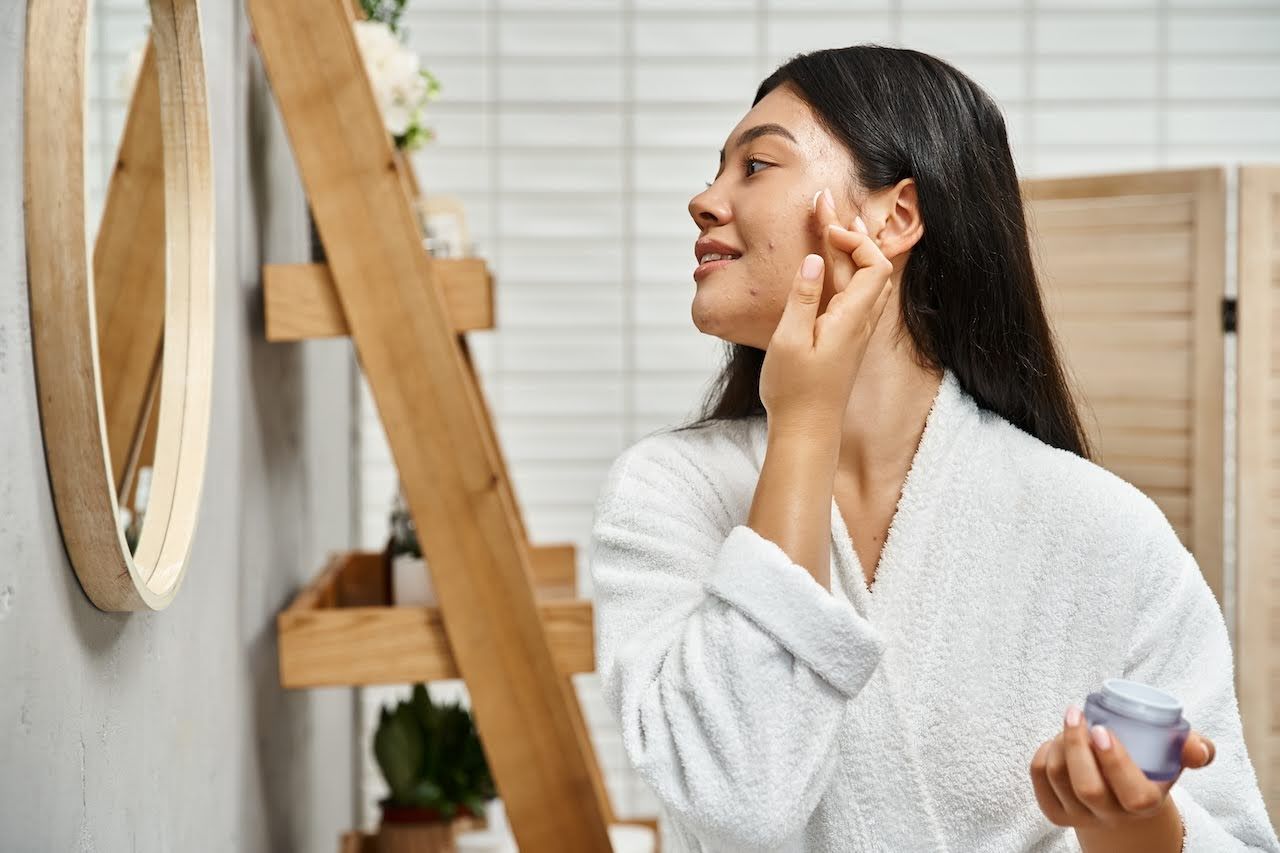

It’s difficult to predict exactly how the skin will respond to prescriptions. Fortunately, there are skincare solutions for every unique situation. Here are some tips for creating the perfect in-clinic sessions for clients on acne medication.
CLEANSE
Since clients on acne medication may have easily irritable skin, start the treatment with a gentle cleanser that won't exacerbate the problem. Our Idyllic Cleanser with 3% Mandelic Acid is the perfect prep for even the most sensitive skin, thoroughly removing impurities and enhancing the penetration of subsequent products.
TREAT
Next, incorporate targeted acne treatments that won’t upset their medicated skin. For dry, sensitive skin, use our Blemish Control No. 5 with Benzoyl Peroxide to reduce acne-causing bacteria and loosen impactions. For oily skin types, our Skin Clarifying Masque will clear pores and absorb excess oil so your client is less prone to future breakouts.
BALANCE
Hydration is essential for maintaining healthy skin, especially when acne medication causes your client’s skin to become dry and flaky. Restore balance and prevent moisture loss with non-comedogenic moisturizers. Certain professional non-comedogenic moisturizers also promote successful healing like our Oxygen Cream or Barrier Repair Cream.
PROTECT
Finally, protect your client's skin with SPF to prevent sun damage and further irritation. As mentioned before, acne medications can increase photosensitivity, so choosing a broad-spectrum sunscreen with an SPF of at least 30 is crucial.
Our Oil-Free Protective Moisturizer with SPF 30 is the perfect broad-spectrum solution after treatments. It protects and hydrates the skin with a lightweight formula that won't clog pores.

Acne medications can be valuable tools in managing breakouts, but they also require extra care and attention when providing treatment. Improve your education and feel confident with your acne treatment plans by enrolling in advanced aesthetic courses through GlyMed Plus education. Become a GlyMed Pro today to unlock access to world-class training.
BECOME A GLYMED+ PROFESSIONAL
Like this content? Thousands of licensed skincare professionals have discovered the benefits of becoming a GlyMed+ Pro. Now's the time to join an elite group of estheticians dedicated to providing the best skincare services using the most effective products.
Click below to begin your GlyMed+ partnership and take your skincare business to new heights!
Become a ProSUPPORTING SKINCARE PROFESSIONALS
All GlyMed+ products are sold through licensed professionals to ensure product integrity and proper skincare instruction. As you work with a GlyMed+ Professional, you’ll receive personalized skincare treatments and home care regimens to help you achieve your skin goals.
Contact Your Local GlyMed+ ProFOLLOW US @GLYMEDPLUS
STAY CONNECTED
Enter your email to get the latest news, tips and deals straight to your inbox