
THE DIFFERENCE BETWEEN SERUMS AND MOISTURIZERS (AND WHEN TO USE EACH)
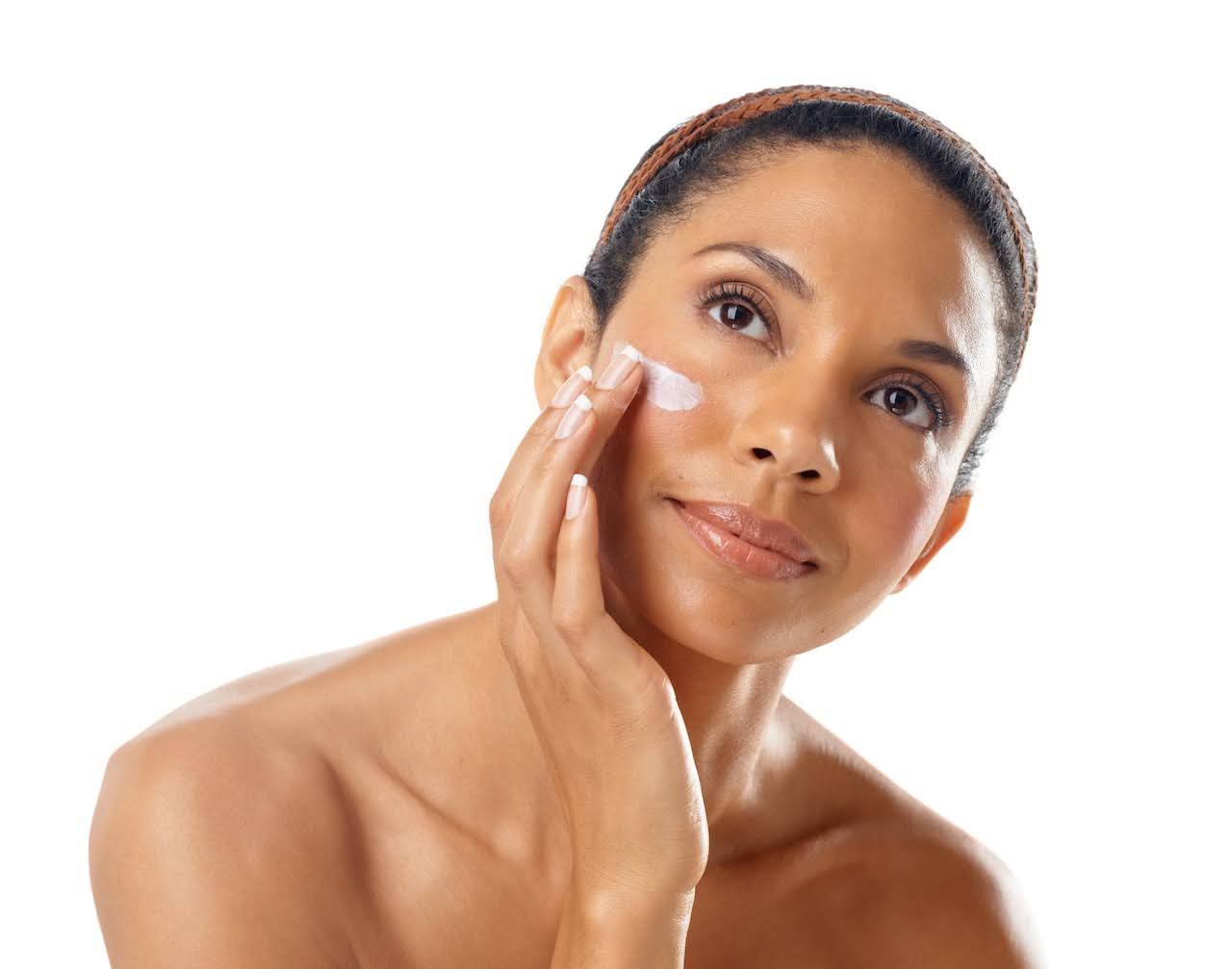
The secret to giving the perfect skincare treatment is knowing exactly how to utilize your selected products. While it's common knowledge that professional serums and facial moisturizers are essential to any routine, they have very different purposes! Let's do a quick review of each to ensure your clients are getting the most out of your services.
WHAT IS A SERUM?
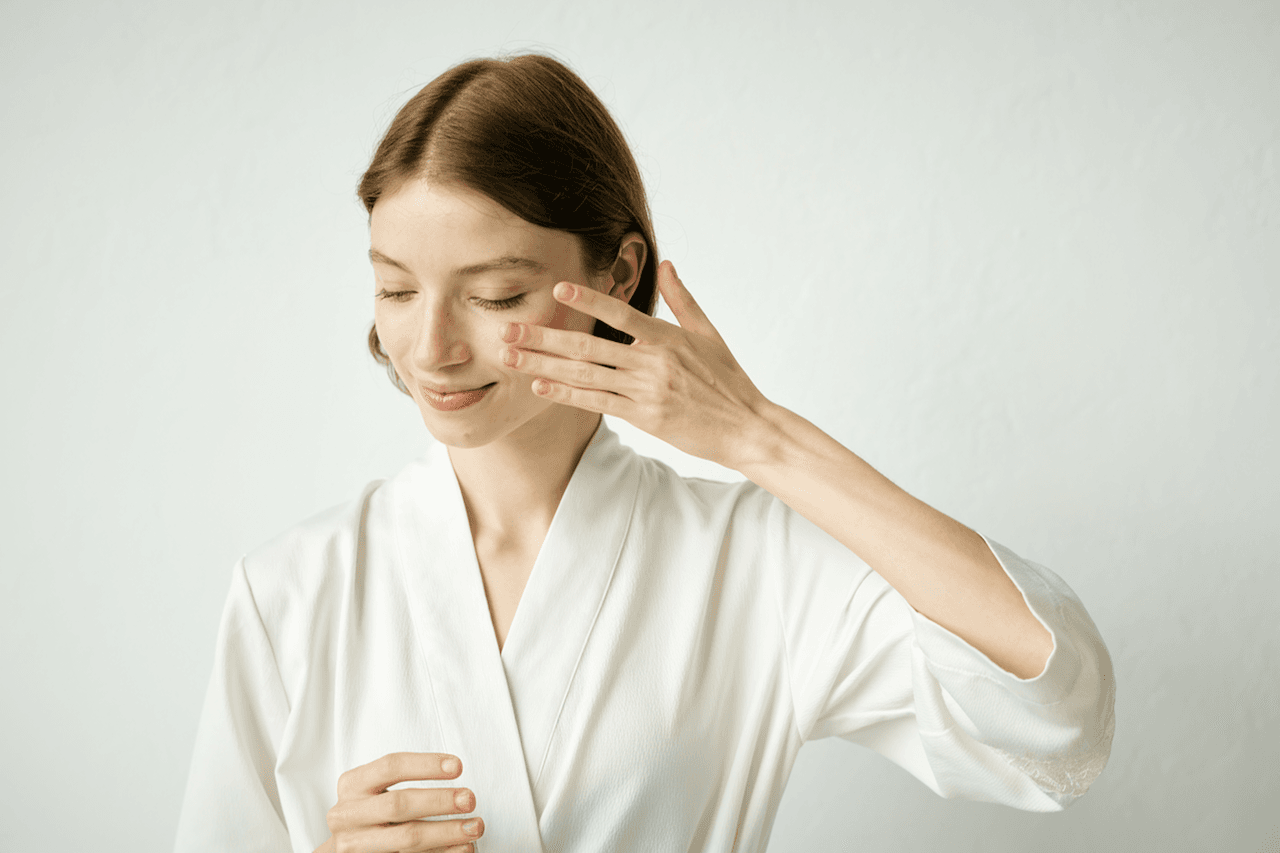

Serums are highly concentrated formulations designed to deliver active ingredients deep into the skin. Their lightweight, fast-absorbing texture allows them to penetrate the epidermis extremely effectively, offering these primary functions:
- Target specific concerns, including hyperpigmentation, acne, dehydration and aging
- Accelerate growth factors that promote cell rejuvenation and collagen production
- Address multiple concerns at once, making them versatile and effective skincare products
WHAT IS A MOISTURIZER?


Facial moisturizers, on the other hand, have formulations designed primarily to hydrate, protect and lock in moisture. These products are typically thicker than serums, often containing a blend of humectants, emollients and occlusives.
Moisturizers can focus on different benefits; for example, some moisturizers focus on hydration for dry skin support, while others are formulated for barrier restoration or soothing post-procedure skin. However, every moisturizer will generally perform these functions:
- Prevent transepidermal water loss (TEWL) by forming a barrier on the skin's surface
- Strengthen the skin barrier by providing essential nutrients and vitamins
- Soothe and calm the skin after active treatments by utilizing anti-inflammatory ingredients
- Add hydration with humectants such as Hyaluronic Acid or Aloe Vera
MORE KEY DIFFERENCES
Moisturizers and serums can target the same skin concerns, but they differ in their key focuses and ingredients. Here are the three biggest differences between the two.
- Purpose: The main purpose of serums is to deliver a specific treatment, such as targeting wrinkles or brightening the skin, while moisturizers balance and protect the skin's barrier.
- Active Concentration: Serums typically have a higher concentration of active ingredients compared to moisturizers, making them more potent and effective at targeting different skin concerns.
- Texture: Serums tend to be very lightweight. Moisturizers, however, usually have a thicker, creamier texture.
WHEN TO USE A SERUM VS. A FACIAL MOISTURIZER
Not all professional serums should be used daily—many should be applied carefully and sparingly due to certain active ingredients that can irritate the skin if used too frequently. Add serums into your treatments to address specific skincare concerns, such as aging or hyperpigmentation, but always follow the instructions on usage.
Facial moisturizers, on the other hand, are typically intended for daily use and for every skincare routine or professional treatment. They seal in all the previously applied products, add hydration and act as a protective barrier against the environment.
HOW TO PROPERLY LAYER THESE TWO PRODUCTS
The general rule for applying products is based on consistency—apply products from thinnest to thickest. Following this rule, apply serums from lightest to heaviest to allow for thorough absorption. Once the serums are fully absorbed into the client's skin, follow up with a moisturizer to lock in hydration and provide a protective barrier.
You can also use the GlyMed Plus 4-Step System for layering products: Cleanse, Treat, Balance, Protect. This reliable order is most effective when using GlyMed products that clearly state which step it falls into. Since serums act as skincare treatments, they're applied during the Treat step, while facial moisturizers are applied during the Balance step.
COMMON MISTAKES TO AVOID
Figuring out how to properly apply serums can get confusing. Here are the most common mistakes so you can double-check your in-clinic treatments and recommendations:
1. LAYERING TOO MANY SERUMS AT ONCE
Layering serums is a great way to achieve multiple skincare benefits at once! However, be careful not to add too many active serums to your routine. Piling on active ingredients can overwhelm the skin barrier, causing issues like dryness or redness.
Stick to one or two active serums per routine and prioritize your client's current needs. Sometimes less is more, and giving their skin time to adjust is key to seeing lasting improvements.
2. USING ACTIVES WITHOUT PROTECTIVE FACIAL MOISTURIZERS
Active ingredients like Retinol or exfoliating acids can work wonders for your client’s skin, but they also leave it vulnerable. Always lock in hydration and provide balance with a suitable and professional moisturizer after the Treat step. Daily Repair Cream is a great option that benefits every skin type after a professional treatment.
3. CHOOSING PRODUCTS UNSUITABLE FOR THE CLIENT’S SKIN



Always consider your client's skin type and skin conditions before applying or recommending products. Using harsh or unsuitable products can do more harm than good. For example, applying too many active ingredients to already-compromised or sensitive skin may exacerbate the issue.
Evaluate your client's needs regularly and choose products specifically formulated to address their current concerns.
4. SKIPPING SUN PROTECTION
Serums and facial moisturizers are essential for a well-rounded skincare routine, but so is sun protection! UV rays can cause premature aging, pigmentation and even skin cancer. Plus, active serums can leave the skin even more vulnerable to sun damage. Always end your professional treatments with sunscreen like our Moisturizing Protection Cream with SPF 15.
5. USING NON-PROFESSIONAL PRODUCTS WITH WEAK FORMULAS
Not all skincare products are created equal. Products that aren't tested or pharmaceutical-grade may lack balanced formulas and sufficient concentrations of active ingredients. To maximize benefits and maintain skin health, invest in high-quality, well-formulated products that have been developed with professional care in mind.
GlyMed Plus is dedicated to providing the skincare industry with the most advanced pharmaceutical-grade skincare products available. Our formulas are carefully crafted by a team of professionals to ensure effectiveness and safety for all skin types.
We also provide world-renowned education to estheticians and other skincare professionals to ensure you have the tools you need for unmatched results. Become a GlyMed Pro today and gain access to brighter and better skincare knowledge!
BECOME A GLYMED+ PROFESSIONAL
Like this content? Thousands of licensed skincare professionals have discovered the benefits of becoming a GlyMed+ Pro. Now's the time to join an elite group of estheticians dedicated to providing the best skincare services using the most effective products.
Click below to begin your GlyMed+ partnership and take your skincare business to new heights!
Become a ProSUPPORTING SKINCARE PROFESSIONALS
All GlyMed+ products are sold through licensed professionals to ensure product integrity and proper skincare instruction. As you work with a GlyMed+ Professional, you’ll receive personalized skincare treatments and home care regimens to help you achieve your skin goals.
Contact Your Local GlyMed+ ProFOLLOW US @GLYMEDPLUS
STAY CONNECTED
Enter your email to get the latest news, tips and deals straight to your inbox