
UNDERSTANDING SKIN CONCERNS IN DEEPER SKIN TONES
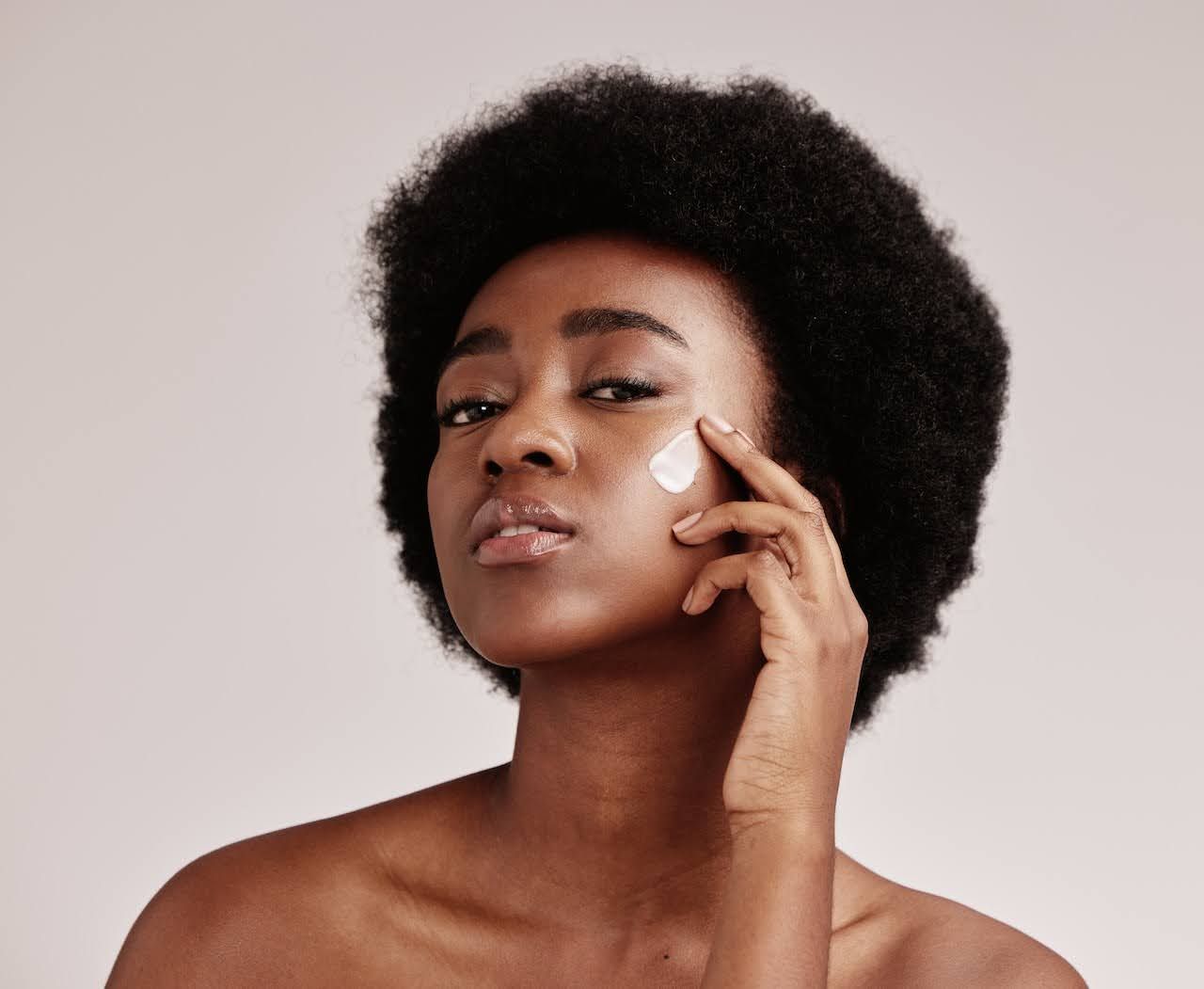
To provide amazing services to your clients, you must be able to assess the unique biology of every client who walks through your door. For clients with Fitzpatrick IV – VI, you must also understand the nuances of melanin production, inflammation response and skin structure. Let's walk through the science and strategies you need to deliver skincare for dark skin with precision.
THE SCIENCE OF MELANIN
In darker skin, melanosomes are larger, more active and dispersed individually throughout the epidermal layers. This leads to different reactions to skincare ingredients and treatments, which is why you'll frequently see hyperpigmentation on dark skin.
While the distribution offers superior natural protection against photoaging–delaying signs of aging by decades compared to lighter skin types–the melanogenic activity makes the skin highly reactive. The melanocytes in darker skin are biologically primed to respond rapidly to inflammation. Any trauma, whether from acne, heat or advanced exfoliation, can trigger an immediate overproduction of pigment.
This is why understanding these unique biological responses is so critical! Since many skin disorders present differently than they do on lighter tones, you must be intentional with your product selection and procedure planning to truly empower your clients.
Let's explore how this applies to specific conditions.
ACNE IN DEEPER SKIN TONES
Acne vulgaris in deeper skin tones presents unique challenges, primarily because inflammation often manifests differently. While you typically see redness (erythema) in lighter skin, inflammation can be masked by melanin, appearing instead as dark brown or purple hyperpigmentation on dark skin.
Subclinical inflammation is also usually more intense in Fitzpatrick IV – VI. This means that even minor comedones can trigger significant post-inflammatory hyperpigmentation (PIH).
PROFESSIONAL APPROACH
To target acne in darker skin, you need to control the P. acnes bacteria and surface congestion while simultaneously calming inflammation. Overly drying or irritating spot treatments can cause more harm than good, replacing a temporary pimple with long-lasting hyperpigmentation on dark skin.
RECOMMENDED GLYMED PLUS SOLUTIONS
Idyllic Cleanser with 3% Mandelic Acid: Mandelic Acid is a larger molecule, making it gentler and safer for deeper skin tones while effectively targeting acne and pigment.
Purifying Cleanser with Salicylic Acid: Excellent for oily, acne-prone skin to deep clean pores without excessive irritation.
Mattifying Sulfur Masque: Utilizes Sulfur to absorb oil and reduce bacteria without compromising the moisture barrier. This masque is also amazing for clients with rosacea.
THE COMPLEXITY OF PIGMENTATION
Pigmentation is often the number one concern for clients with skin of color. Because their melanocytes are so reactive, "lifting" pigment can take a little more work. However, overly aggressive measures can trigger a rebound effect, leading to darker, more stubborn dyschromia.
PROFESSIONAL APPROACH
Tyrosinase Inhibitors are one of the most effective ingredients for managing hyperpigmentation on dark skin since they interrupt the enzyme responsible for melanin production. They can also be used before, during and after any corrective treatment, as well as in a daily home care regimen. Frequent application of these ingredients can provide amazing benefits for long-term skin health than sporadic advanced treatments.
RECOMMENDED GLYMED PLUS SOLUTIONS
Diamond Bright Skin Illuminator: Contains advanced drone technology and natural botanicals to target and brighten existing pigmentation.
Brilliant Tone: A powerful serum that utilizes Lactic Acid to manage pigment formation.
Vitamin C Serum: Provides essential antioxidant protection and supports a brighter, more even complexion.
SENSITIVITY AND "INVISIBLE" ROSACEA
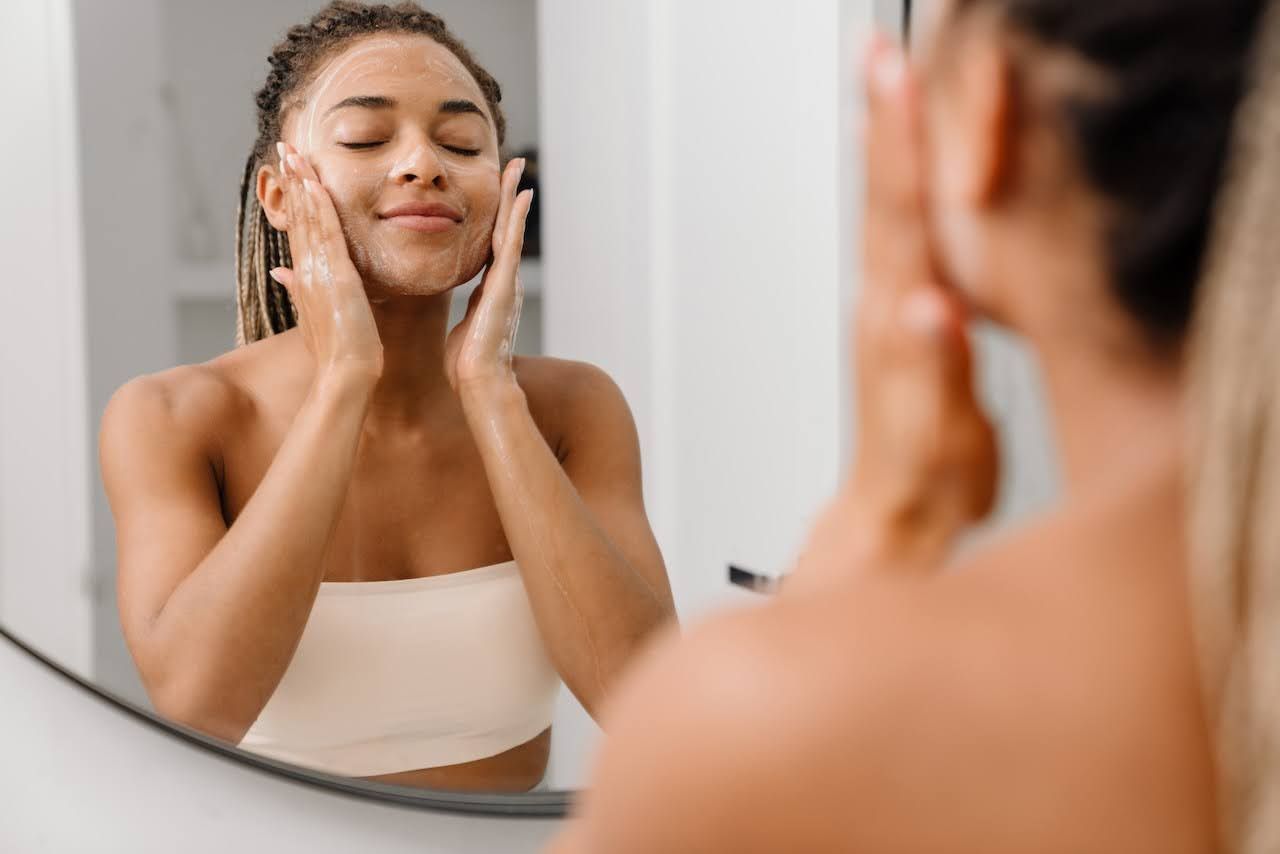
It's a common misconception that rosacea and sensitivity are rare in skin of color. In reality, they're often underdiagnosed because the classic flushing is less visible. Instead, clients may report burning, stinging or heat, even if their skin does not look overtly red. In deeper skin tones, chronic inflammation from sensitivity can even degrade the skin barrier, leading to a dull, ashy appearance and textural roughness.
PROFESSIONAL APPROACH
Addressing rosacea requires a focus on hydration and barrier reinforcement. By reducing triggers and fortifying the stratum corneum with ceramides and botanicals, you can reduce the inflammatory cascade that leads to sensitivity and hyperpigmentation on dark skin.
RECOMMENDED GLYMED PLUS SOLUTIONS
CBD Soothing Serum with Micro-Silver: Offers profound calming benefits to minimize the skin's inflammatory response.
CBD Hydratherapy Masque with Micro-Silver: A soothing masque that aids in decreasing irritation and rebuilding the protective barrier.
Beta Gel with 10% Glycolic Acid: This amazing serum can also be used on the hands and arms to reduce inflammation, refine texture and fade hyperpigmentation.
TREATMENT CONSIDERATIONS FOR FITZPATRICK IV – VI
The margin for error is smaller with darker skin types, especially for professional treatments. However, this doesn't mean you must avoid advanced modalities; it simply means you must proceed with knowledge and caution. Here are some expert tips to help.
CHEMICAL EXFOLIATION
Client safety is the top priority when performing chemical peels on deeper skin tones. Because self-neutralizing peels are designed to remain on the skin, product quality is a must. Look for brands like GlyMed Plus that offer various chemical peels clinically proven to be safe for all skin tones.
Stronger peels like Jessner’s and TCA can also be safe and effective, but only if the skin is properly prepped for several weeks with Tyrosinase Inhibitors, barrier support and low-percentage acids. Once in the treatment room, always start with lower peel percentages and observe the skin's response closely.
MICRONEEDLING
This is often an excellent alternative to lasers for skin of color because it's mechanical rather than thermal. It stimulates collagen remodeling without introducing heat that could trigger a pigment response.
LASERS AND LIGHT
Many wavelengths target melanin, which poses a risk for epidermal burns in darker skin. Stick to devices specifically cleared for Fitzpatrick IV – VI, and always perform a patch test.
ADVANCE YOUR SKINCARE KNOWLEDGE EVEN FURTHER
Mastering skincare for dark skin is vital in today’s increasingly diverse beauty industry. By deepening your understanding of the unique biology of melanin-rich skin, you can offer life-changing results to every client.
If you'd like access to professional-grade tools for every skin type, join us at GlyMed Plus! Through our advanced aesthetic education, you'll learn the latest techniques and technologies to help all of your clients achieve beautiful, healthy skin. Become a GlyMed Pro today!
BECOME A GLYMED+ PROFESSIONAL
Like this content? Thousands of licensed skincare professionals have discovered the benefits of becoming a GlyMed+ Pro. Now's the time to join an elite group of estheticians dedicated to providing the best skincare services using the most effective products.
Click below to begin your GlyMed+ partnership and take your skincare business to new heights!
Become a ProSUPPORTING SKINCARE PROFESSIONALS
All GlyMed+ products are sold through licensed professionals to ensure product integrity and proper skincare instruction. As you work with a GlyMed+ Professional, you’ll receive personalized skincare treatments and home care regimens to help you achieve your skin goals.
Contact Your Local GlyMed+ ProFOLLOW US @GLYMEDPLUS
STAY CONNECTED
Enter your email to get the latest news, tips and deals straight to your inbox