
YOUR GUIDE TO ROSACEA: WHAT YOU NEED TO KNOW
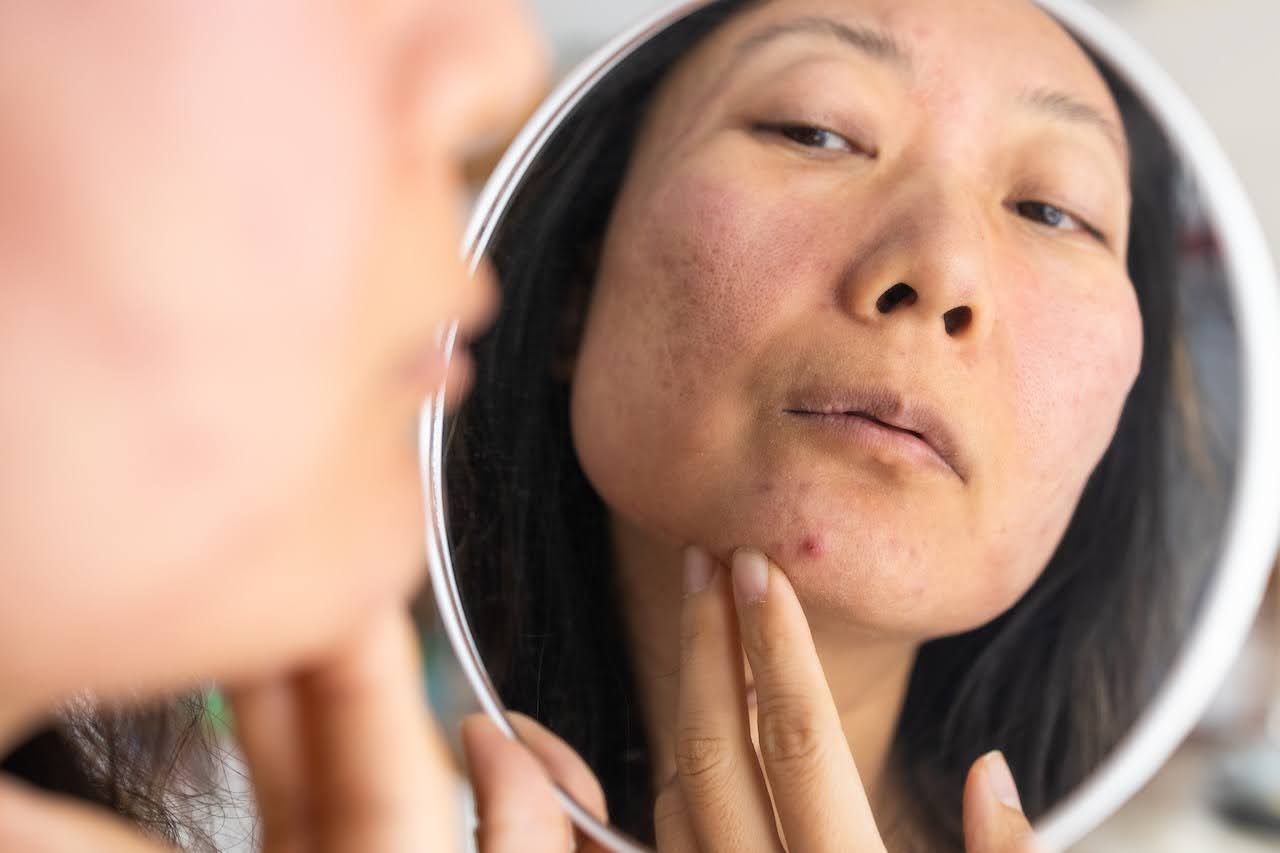
Rosacea affects millions of people worldwide, yet despite its prevalence, it's often misunderstood and misdiagnosed. This guide provides effective rosacea treatments and management strategies so your clients can take control of their skin health.
ROSACEA: CAUSES AND TRIGGERS
Rosacea is a chronic inflammatory skin condition characterized by persistent redness, visible blood vessels and small bumps on the face. While the exact cause of rosacea is still unknown, there are common culprits behind flare-ups that involve a complex interplay of genetic, environmental and vascular factors.
At the cellular level, rosacea may correlate with an overactive immune response involving cathelicidin peptides and elevated production of Demodex mite-related proteins, which trigger inflammation. However, research also suggests that sun exposure, extreme temperatures, stress, spicy food, hot drinks and alcohol can stimulate or worsen symptoms.
Genetics also plays a crucial role in the development of rosacea. If a close family member has rosacea, the risk for your client increases. Recognizing this combination of influences is essential to managing rosacea symptoms.
THE 4 SUBTYPES OF ROSACEA
Rosacea is not a one-size-fits-all condition; there are four different subtypes, and each one manifests differently on the skin. It's important to identify which rosacea subtype your client has to provide effective treatment.
ERYTHEMATOTELANGIECTATIC ROSACEA
This is the mildest, most common subtype of rosacea and is often mistaken for sunburn or acne. In this stage, the skin's capillaries dilate too easily, leading to persistent redness and visible blood vessels. This dilation results from abnormal vascular system regulation, causing increased blood flow and inflammation.
Symptoms include:
- Persistent Flushing and Redness
- Visible Blood Vessels
- Stinging or Burning Sensation
PAPULOPUSTULAR ROSACEA
This moderate stage of rosacea is characterized by swollen papules and pustules. Experts believe that in papulopustular rosacea, the immune system overreacts to Demodex mites and releases inflammatory mediators that cause redness and swelling; however, this has not yet been proven.
Other symptoms include:
- Bumps and Pimples: Papules or pustules may be present and inflamed.
- Vascular Damage: In some cases, visible blood vessels may appear along with denser telangiectasias.
PHYMATOUS ROSACEA
Phymatous rosacea is the most severe form of the condition, causing thickening and distortion of facial features. Untreated papulopustular or erythematotelangiectatic rosacea cases typically lead to this final stage, where chronic inflammation produces tissue overgrowth that damages the skin's structural integrity.
In-clinic rosacea treatments often prove ineffective for phymatous rosacea. If so, medical intervention may be required.
Symptoms include:
- Thickened Skin: Affected areas may become noticeably thicker due to excess tissue growth.
- Bumpy Texture: The skin may develop a bumpy or uneven texture due to inflamed acne that can even grow into nodules.
- Tenderness: The affected areas may feel painful.
OCULAR ROSACEA
Ocular rosacea, also known as chronic red eye, occurs when rosacea affects the eyes, leading to irritation and inflammation. Many people with this condition don't have rosacea on their skin. However, some individuals may experience ocular rosacea along with another subtype, requiring separate treatments.
Symptoms include:
- Dryness: The eyes may feel dry or gritty.
- Redness: The white part of the eye (sclera) may appear red or bloodshot.
- Burning, Stinging or Itching Sensation: Clients may experience pain and irritation in their eyes.
Recurring Styes: Styes are a common symptom of ocular rosacea, characterized by red, painful bumps on the eyelid.
UNCOMMON SYMPTOMS AND MANIFESTATIONS
Rosacea can cause other symptoms that impact a client's quality of life, such as:
- Burning or stinging sensation after using skincare products
- Rhinophyma: a swollen, bulbous nose
- Lower self-esteem and confidence, leading to anxiety, depression and social withdrawal
Early recognition and diagnosis of rosacea are crucial in minimizing any long-term damage. If you identify symptoms early, recommend a doctor or dermatologist for an official diagnosis, then build a customized rosacea treatment that reduces your client's flare-ups and improves their skin health.
SKIN CONDITIONS THAT MIMIC ROSACEA SYMPTOMS
Rosacea shares similarities with several other skin conditions, leading to frequent misdiagnosis and mistreatment. To avoid these errors, it's essential to recognize the differences between rosacea and other skin conditions. Here are key differences to consider:
- Acne Vulgaris: Blackheads and whiteheads
- Seborrheic Dermatitis: Flaking or greasy skin
- Eczema: Redness and scaly patches
- Lupus: Butterfly-shaped rash on the face
- Psoriasis: Thickened, silvery scales on the skin
If you suspect your client has undiagnosed rosacea, advise them to get a thorough evaluation and diagnosis by medical professionals. You can provide targeted treatments and positive outcomes for your clients once their skin condition is accurately diagnosed.
7 ROSACEA TREATMENTS TO OFFER AS A SKINCARE PROFESSIONAL
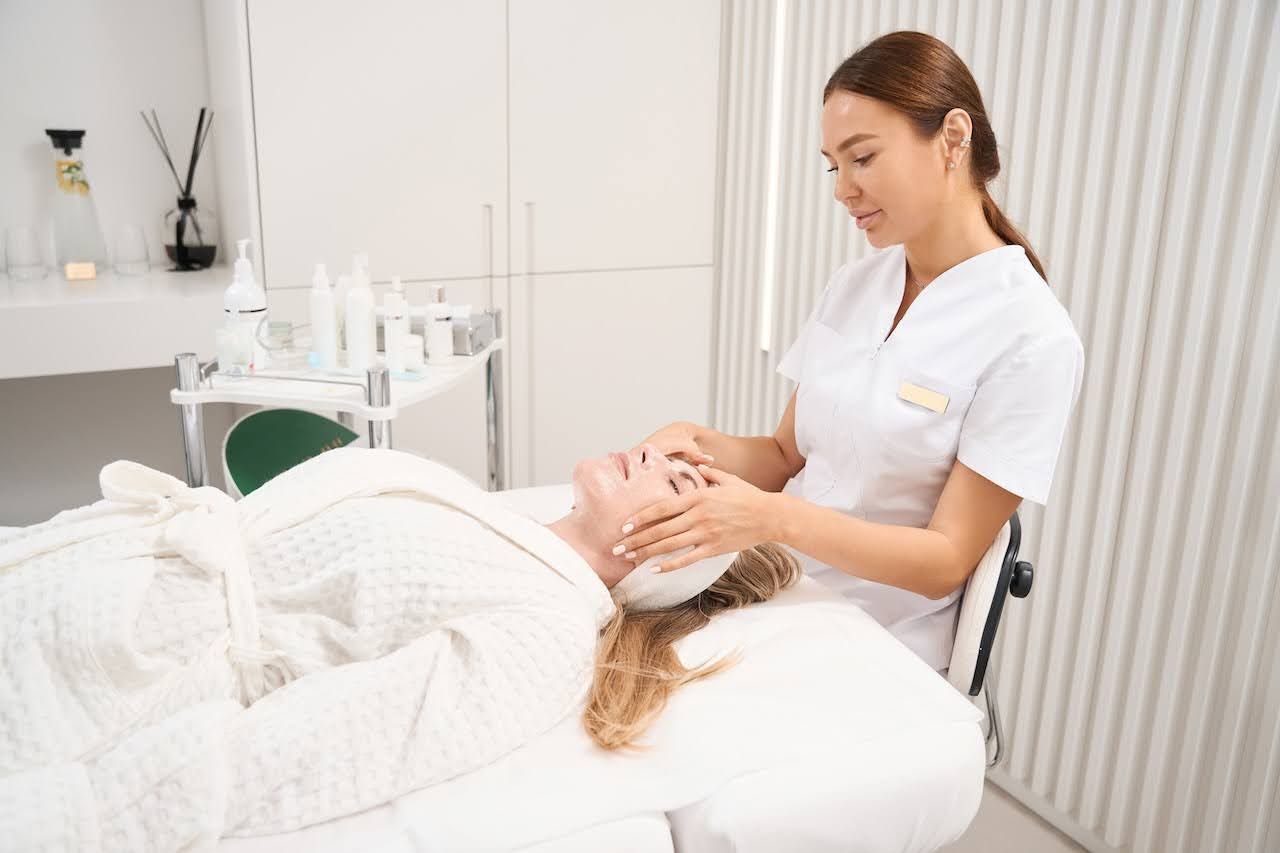
While your client can modify their lifestyle to manage rosacea at home, it's your job as a skincare professional to provide them with tailored skincare treatments that address their specific triggers and symptoms.

1. REDUCE INFLAMMATION
One of the best ingredients to reduce inflammation caused by Demodex mites, histamine and environmental factors is glycolic acid. As an alpha-hydroxy acid (AHA) with anti-inflammatory properties, it exfoliates the skin by dissolving dead skin cells, unclogging pores and reducing redness.
AHAs also protect the skin from UVB rays, which can decrease inflammation even further. Try using our Idyllic Cleanser With 3% Mandelic Acid in your treatment rooms.
2. PROMOTE HEALTHY SKIN
Clients with a more moderate form of rosacea would benefit from our Mattifying Sulfur Masque, which directly targets rosacea by providing anti-bacterial, anti-viral and anti-inflammatory benefits.
3. REPAIR THE SKIN BARRIER
Most clients with rosacea will suffer from a breached skin barrier due to inflammation and persistent redness. Rosacea treatments should include at least one skincare product with ceramides, lipids, peptides or fatty acids, such as our Rosacea Relief.
4. OXYGENATE THE SKIN
Rosacea can lower oxygen levels in the blood vessels, triggering unwanted inflammation. To combat this, incorporate a moisturizer that uses oxygen to promote healing, such as our Oxygen Cream. You can even mix our Professional Oxygen Booster additive with other products in your treatment room to meet your client’s unique needs.
5. INTEGRATE CBD
Cannabidiol (CBD) is an effective ingredient for clients with rosacea because of its anti-inflammatory, antibacterial and antioxidant properties. Additionally, CBD decreases excess sebum production, which can cause inflammation. Reduce rosacea flares using our CBD Hydratherapy Masque with Micro-Silver in your treatment room.
6. CALM PAPULES AND PUSTULES
If your clients suffer from papulopustular rosacea, fight acne-causing bacteria with skincare products that involve mandelic acid, found in our Radiant Serum. This stimulates cellular turnover and washes away dead skin cell buildup that may be blocking the pores.
7. PROTECT THE SKIN FROM UV RAYS
UV rays are a common culprit of rosacea flare-ups because they dilate blood vessels and induce inflammation. Encourage clients to apply broad-spectrum sunscreen daily to protect their skin from UV damage and prevent flare-ups. Always finish professional treatments with sun protection like our Hydrating Protection Gel with SPF 15.

As a skincare professional, you wield the power to transform lives by managing your client's rosacea symptoms. Clients with chronic skin conditions like rosacea often struggle to feel confident about their appearance. However, using expert advice and tailored treatments, you can significantly improve their skin health, boost their self-esteem and make their confidence soar.
To continue learning powerful treatment techniques and gain a priceless skincare education, register as a GlyMed Pro and explore our curriculum.
BECOME A GLYMED+ PROFESSIONAL
Like this content? Thousands of licensed skincare professionals have discovered the benefits of becoming a GlyMed+ Pro. Now's the time to join an elite group of estheticians dedicated to providing the best skincare services using the most effective products.
Click below to begin your GlyMed+ partnership and take your skincare business to new heights!
Become a ProSUPPORTING SKINCARE PROFESSIONALS
All GlyMed+ products are sold through licensed professionals to ensure product integrity and proper skincare instruction. As you work with a GlyMed+ Professional, you’ll receive personalized skincare treatments and home care regimens to help you achieve your skin goals.
Contact Your Local GlyMed+ ProFOLLOW US @GLYMEDPLUS
STAY CONNECTED
Enter your email to get the latest news, tips and deals straight to your inbox