WHAT IS SKIN GLYCATION AND CAN IT BE REVERSED?
If you've ever had a client come in concerned about dull, stiff or discolored skin that doesn't quite respond to their usual routine, glycation could be the culprit. Glycation is an aging mechanism that doesn't always get the awareness it deserves. Unlike UV damage, which we’ve seen in skincare education for decades, glycation shifts skin tone in ways that can look a lot like general aging. Knowing how to recognize, address and slow the appearance changes for your clients gives you a meaningful clinical edge.
In this guide, we’ll break down the science of this process, how it presents in the skin and, most importantly, what you can do about it.
WHAT IS GLYCATION?
Glycation is a spontaneous process where excess sugar that has entered the bloodstream attaches to the amino groups of tissue proteins, lipids or DNA. This slowly rearranges their structure and accelerates the visible signs of aging.
More specifically, glucose molecules bind to collagen and elastin fibers in the dermis without any prompt from enzymes. This uncontrolled bonding is called non-enzymatic. Over time, the initial bonds undergo further chemical reactions and transform into AGEs, which are stable, hard-to-break compounds.
Once these AGEs form, they begin to cross-link with nearby protein fibers, essentially gluing them together. This means that the collagen strands, which were once flexible and organized, become rigid and brittle, while elastin loses its natural ability to spring back. Ultimately, this process weakens the extracellular matrix, which is the supportive scaffolding that gives your skin its structure and resilience.
HOW GLYCATION MANIFESTS IN THE SKIN
STRUCTURAL CHANGES
As AGEs accumulate, dermal collagen loses its normal pliability. The cross-linking effect makes fibers stiffer and more prone to fragmentation, which compromises the skin's mechanical support.
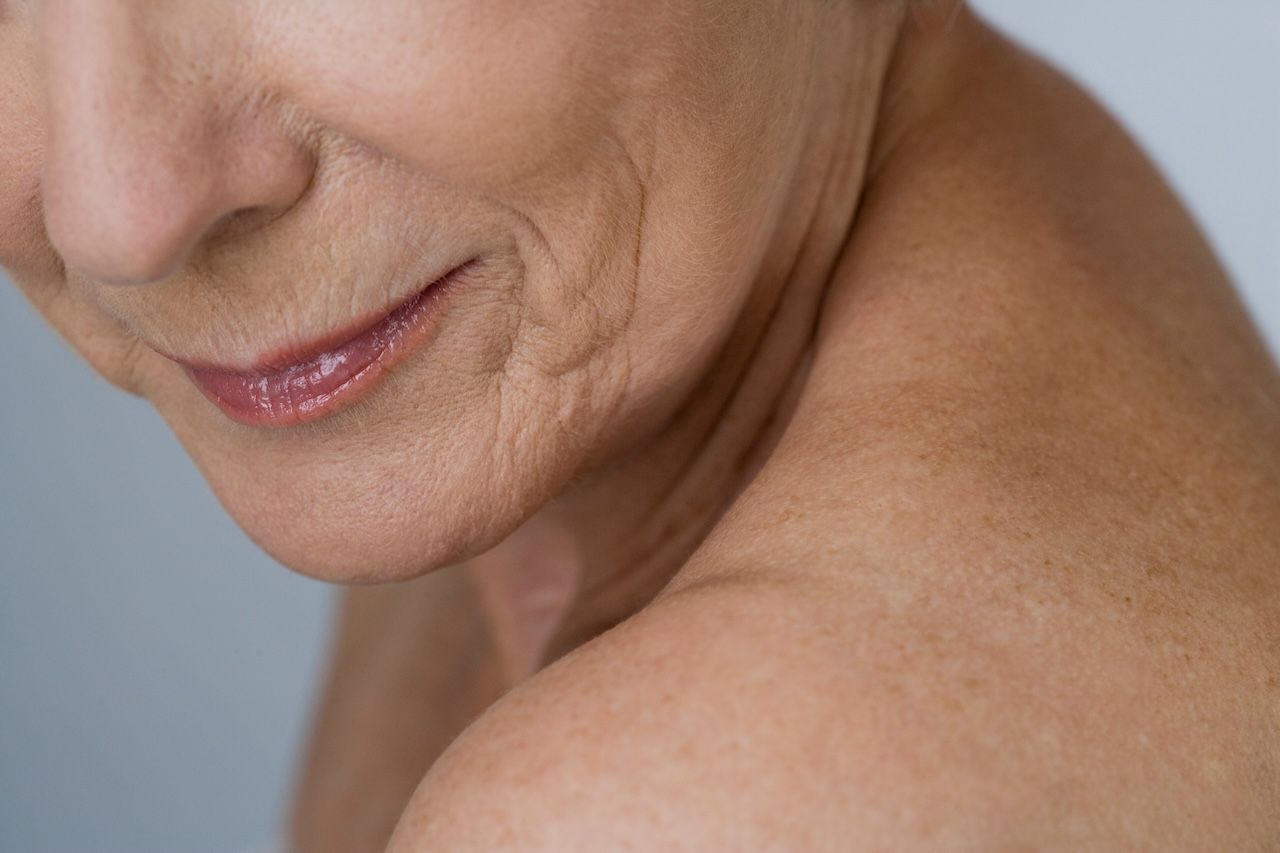
The result is a gradual loss of firmness and elasticity that presents as skin laxity, deepening lines and a leathery or thickened texture, particularly in areas with high muscle activity.
SKIN TONE AND CHROMOPHORE CHANGES
AGEs are chromophores, meaning they absorb light. As they accumulate in the dermis, they contribute to a dull, sallow or yellowish skin tone that is distinct from hyperpigmentation. This color shift is sometimes described as a "yellow tinge" or overall grayness.
DISTINGUISHING GLYCATION AGING FROM PHOTOAGING
Photoaging and glycation can coexist, but they have different origins and tell-tale signs worth knowing:
- Photoaging is driven by UV damage to DNA, collagen and melanocytes. You'll typically spot it in sun-exposed areas like the face, neck, décolletage and hands, where it shows up as uneven pigmentation, surface roughness and broken capillaries. A client who's spent years in the sun but follows a balanced diet may show more classic photoaging.
- Glycation tends to present more uniformly across the skin. Think overall dullness, a yellowish or grayish tone and a dense, less elastic feel that doesn't follow sun exposure patterns. A client with high sugar intake and limited sun exposure might present more signs of glycation.
In reality, most mature clients will show a combination of both, so it's less about targeting one over the other and more about learning to read the full picture.
One helpful way to think about it is this: if you're already familiar with the patchy, textural changes of photoaging, glycation is often what's behind that additional layer of dullness and stiffness that doesn't quite fit the UV damage story. When the skin looks tired and dense even in areas that aren't heavily sun-exposed, glycation is worth considering.
WHAT ARE THE CONTRIBUTING FACTORS THAT ACCELERATE THIS PROCESS?


Like many skincare concerns, glycation doesn’t happen in a vacuum. A handful of key factors can speed up the process, and knowing what they are can help you guide your clients toward healthier habits for their skin.
- Dietary Sugar Load: High consumption of refined sugars and simple carbohydrates increases circulating glucose, which increases the risk of glycation.
- Hyperglycemia and Metabolic Conditions: Clients with type 2 diabetes or insulin resistance have chronically elevated blood glucose levels, which dramatically accelerate AGE formation throughout the body.
- Oxidative Stress: Free radical activity and glycation are closely linked. Oxidative stress promotes the formation of reactive carbonyl compounds that accelerate the process, and AGEs themselves generate further oxidative stress, which creates a damaging loop.
- Intrinsic Aging: The body's natural antioxidant defenses decline with age, reducing its ability to neutralize free radicals. Cellular repair mechanisms also become less efficient, allowing AGE accumulation to progress more rapidly.
CAN GLYCATION BE REVERSED?
The short answer is no, at least not in the way you might think. Once AGEs form and create cross-links in your skin’s collagen and elastin, you can't completely break them down with skincare products. Those changes happen deep within the tissue at a molecular level.
While you can't "reverse" the process, you can absolutely manage its visible effects on your clients' skin. Think of it less as turning back the clock and more as slowing down time by supporting the skin through three complementary strategies:
- Inhibition: Antioxidants can slow the rate at which new AGEs form. Preventing further skin glycation is the most clinically impactful result a professional protocol can achieve.
- Mitigation: Supporting collagen renewal, improving skin density and increasing dermal hydration can compensate for the structural loss caused by AGEs.
- Chromophore Management: Because AGEs contribute to dermal yellowing, targeted exfoliation and skin tone management strategies can improve luminosity and overall clarity.
HOW SKINCARE PROFESSIONALS CAN ADDRESS GLYCATION SKIN AGING
A multi-step, layered approach is key. While there isn't one magic ingredient that can do it all, combining the right steps in a skincare routine can make a real, visible difference. Let's walk through how to build that routine.
1. PRIORITIZE ANTIOXIDANT SUPPORT
Antioxidants are the foundation of any anti-glycation protocol. By neutralizing free radicals and interrupting the oxidative stress cycle that accelerates AGE formation, antioxidants slow the rate of visible ongoing damage.
Did you know that every product in the GlyMed+ line is formulated with antioxidant support in mind? Our products are designed to provide consistent, layered antioxidant defense across every step of a protocol.
PRODUCT RECOMMENDATIONS
- Daily Repair Cream contains Alpha Lipoic Acid, Lycopene and Superoxide Dismutase, three potent antioxidants that work together to neutralise free radicals, lighten the skin and defend against the oxidative stress that drives AGE formation.
- Firming Serum with Phyto-Stem Cells also delivers Citric Acid and Squalane as antioxidant actives.
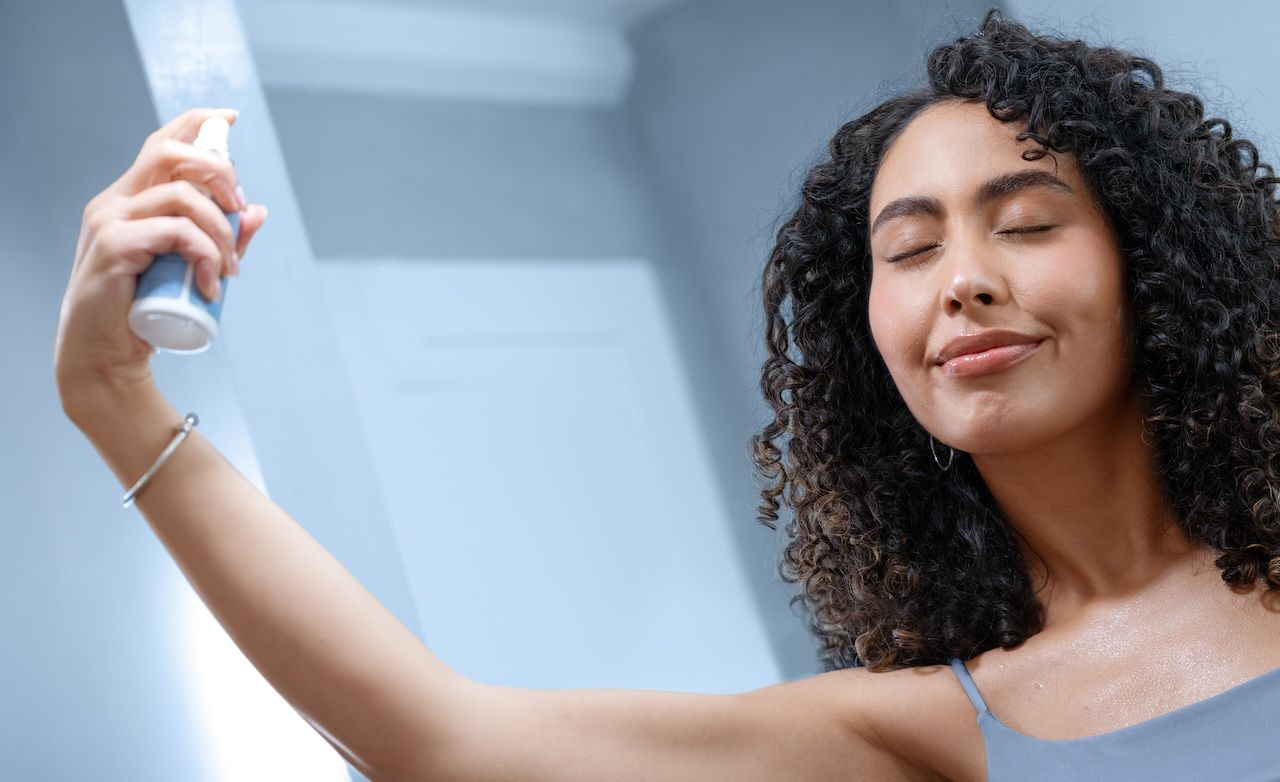
- CBD Skin Mist introduces Cannabidiol, which is considered one of the strongest antioxidants available, surpassing both Vitamin C and E in free radical scavenging capacity.
2. SUPPORT COLLAGEN RENEWAL WITH RETINOL
Retinol is one of the most well-supported ingredients for improving the appearance of aging skin. Vitamin A stimulates fibroblast activity, which promotes the production of new collagen and elastin. It also encourages skin cell renewal, which addresses the structural and surface manifestations.
PRODUCT RECOMMENDATIONS
- Retinol Rejuvenation Serum contains 5% Retinol with a unique double-encapsulation system. This advanced technology slowly releases the Retinol over time, making it incredibly gentle on the skin while minimizing irritation. Steady, long-term exposure is actually the ideal way to target glycation at the molecular level!
3. USE PEPTIDES TO SUPPORT VISIBLE FIRMNESS
Peptides signal the skin to produce more collagen and glycosaminoglycans. For glycation skin laxity, peptide-based products are a practical way to compensate for the loss of structural integrity caused by AGE cross-linking.
PRODUCT RECOMMENDATIONS
- Peptide Serum contains Palmitoyl Tripeptide-1 and Palmitoyl Tetrapeptide-7, which stimulate collagen and Hyaluronic Acid production while supporting connective tissue to firm and tighten.
- Atraxi Peptide delivers a concentrated royal peptide blend to normalize cell turnover and increase elasticity.
4. INCLUDE CONTROLLED EXFOLIATION
Alpha hydroxy acids accelerate the removal of AGE-laden surface cells and promote cellular turnover, which helps improve both skin tone and texture over time. Because Lactic Acid over 5% also functions as a Tyrosinase Inhibitor, it also targets the chromophore-related discoloration caused by AGEs.
PRODUCT RECOMMENDATIONS
- Accelerator Gel with 20% Alpha Hydroxy Acids provides 10% Glycolic Acid and 10% Lactic Acid for controlled surface renewal
5. STRENGTHEN HYDRATION AND BARRIER SUPPORT
Supporting the skin's moisture barrier with ceramides and Hyaluronic Acid helps restore surface comfort, reduce transepidermal water loss (TEWL) and create a healthier environment for any actives to work in.
PRODUCT RECOMMENDATIONS
- Protective Skin Serum with Ceramides replenishes critical intercellular lipids with Ceramide 3, helping to regulate the skin-water barrier.
- Ultra Hydro Gel delivers 10% Hyaluronic Acid to actively draw moisture into the skin.
- Barrier Repair Cream with Amino Acids reinforces the lipid barrier with Ceramides 1, 3 and 6 for deeper structural support.
6. MAKE SUNSCREEN NON-NEGOTIABLE
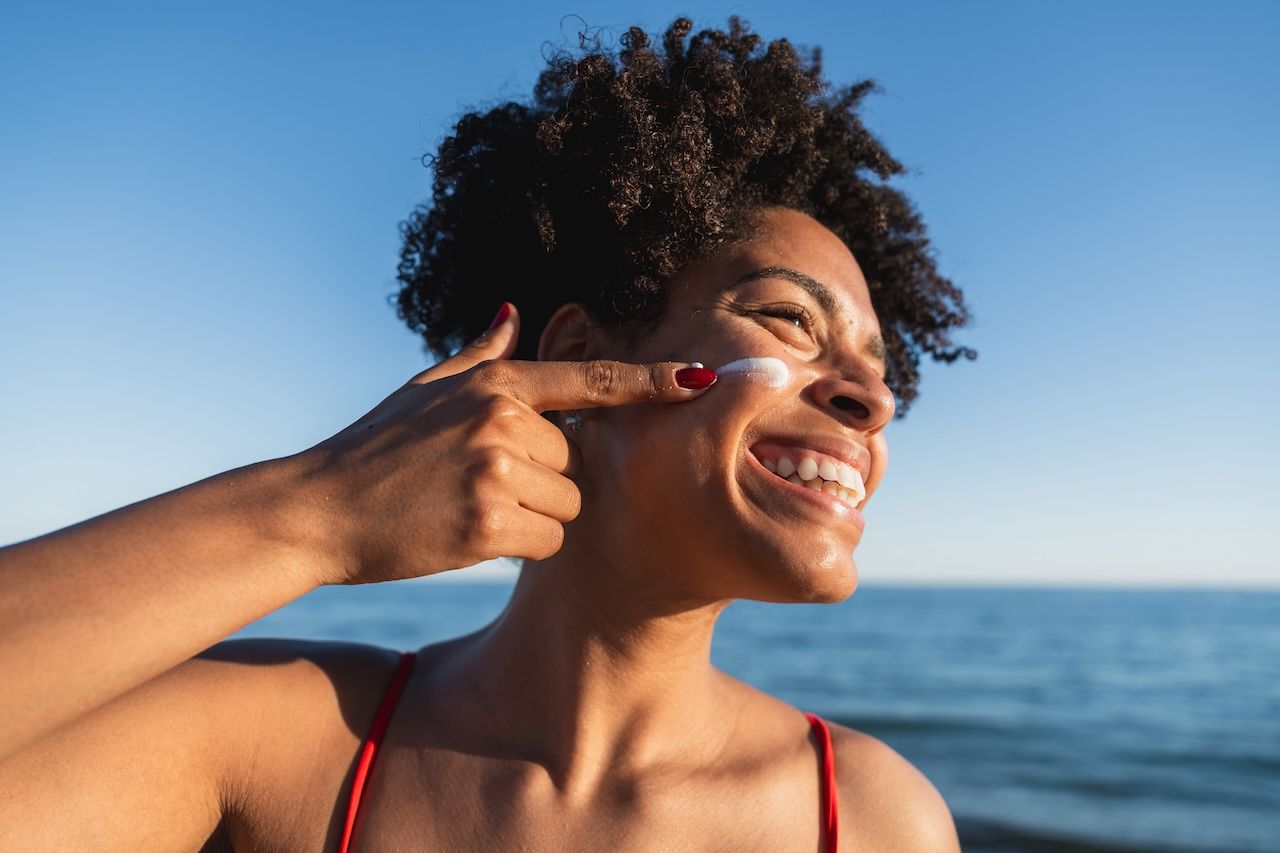
UV exposure accelerates oxidative stress and collagen breakdown—two of the primary contributors to glycation skin aging. Without consistent broad-spectrum sun protection, every other step in a protocol is working against an ongoing source of damage.
PRODUCT RECOMMENDATIONS
- Hydrating Protection Gel with SPF 30 is a water-based UVA/UVB broad-spectrum formula that also delivers antioxidants for added anti-aging benefit.
- Oil-Free Protective Moisturizer with SPF 30 offers protection without adding weight or congestion.
FREQUENTLY ASKED QUESTIONS
WHAT IS GLYCATION IN THE SKIN?
Glycation is a process where sugar in the bloodstream attaches to tissue proteins like collagen and elastin, forming advanced glycation end-products (AGEs) that stiffen the skin's structure and accelerate visible aging.
WHAT DOES GLYCATED SKIN LOOK LIKE?
Glycated skin typically presents with reduced firmness, a thickened or leathery texture and a dull, sallow or yellowish tone caused by AGE chromophore accumulation in the dermis. These changes tend to look more diffuse than the discrete spots or broken capillaries associated with photoaging.
WHAT INGREDIENTS HELP WITH SKIN GLYCATION?
Antioxidants, including Vitamin C, Alpha Lipoic Acid and peptides with free radical-scavenging activity, are the most clinically relevant ingredients for slowing the process. Retinol, alpha hydroxy acids, ceramides and Hyaluronic Acid can also reduce the visible signs.
DOES SUGAR CAUSE SKIN AGING?
Yes, chronically elevated blood sugar accelerates the process, which stiffens collagen, reduces elasticity and contributes to a dull complexion. Reducing dietary sugar load is one of the most impactful lifestyle changes a client can make to slow the internal drivers of skin aging.
IS GLYCATION THE SAME AS OXIDATION?
No, but the two processes are closely linked. Oxidation occurs when free radicals damage cells, proteins and DNA, while glycation is specifically the bonding of glucose to proteins. However, oxidative stress accelerates glycation, and AGEs themselves generate further oxidative stress, so the two mechanisms amplify each other. Addressing both with antioxidant-rich protocols is the most effective approach to maintaining youthful-looking skin.
WHAT ACCELERATES SKIN GLYCATION?
The primary accelerators are a high dietary sugar load, hyperglycemia or metabolic conditions like type 2 diabetes, oxidative stress and intrinsic aging. Managing these factors through sun protection, antioxidant support and client lifestyle education is central to any professional strategy.
BUILD THE PROTOCOL. SEE THE DIFFERENCE.
Glycation is a chronic, progressive process that no single product can fully address. But with protocols and home care built around purposeful products, you can meaningfully slow new AGE formation and visibly improve the appearance of skin that has already been affected. GlyMed's exclusive pharmaceutical-grade formulations give you the clinical tools to deliver those results consistently. Every product in the line is antioxidant-supported, and every active ingredient is present at a meaningful concentration.
If you're ready to bring that level of expertise into your practice, become a GlyMed+ Professional. You'll connect with advanced education, a comprehensive product system and the support of a brand built specifically for clinicians like you.
BECOME A GLYMED+ PROFESSIONAL
Like this content? Thousands of licensed skincare professionals have discovered the benefits of becoming a GlyMed+ Pro. Now's the time to join an elite group of estheticians dedicated to providing the best skincare services using the most effective products.
Click below to begin your GlyMed+ partnership and take your skincare business to new heights!
Become a ProSUPPORTING SKINCARE PROFESSIONALS
All GlyMed+ products are sold through licensed professionals to ensure product integrity and proper skincare instruction. As you work with a GlyMed+ Professional, you’ll receive personalized skincare treatments and home care regimens to help you achieve your skin goals.
Contact Your Local GlyMed+ ProFOLLOW US @GLYMEDPLUS
STAY CONNECTED
Enter your email to get the latest news, tips and deals straight to your inbox