
WHAT TO USE ON YOUR CLIENTS' SKIN BEFORE AND AFTER DERMAPLANING
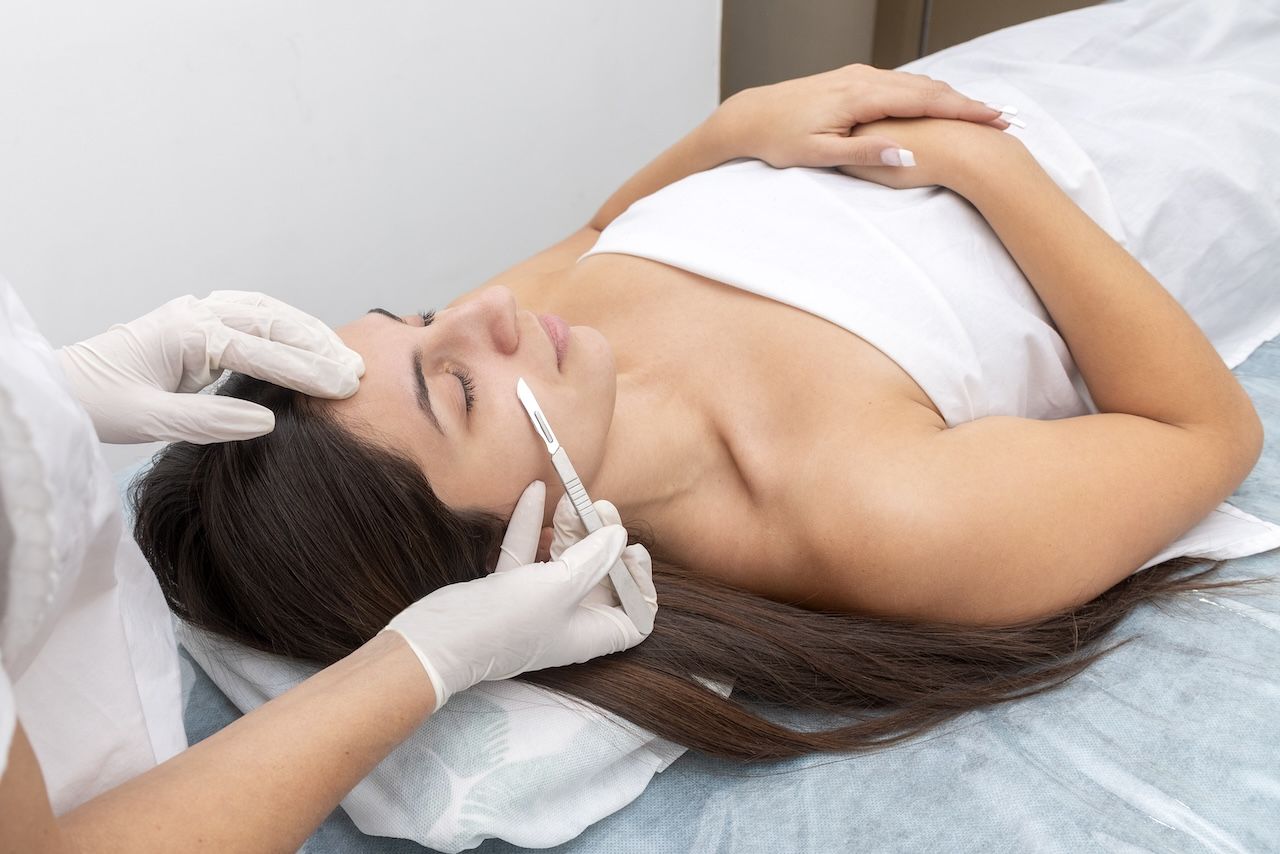
Your client sits up after a dermaplaning treatment to touch their face, and their eyes light up. That incredibly smooth, bright, "wow" moment is what it's all about. But what you do before and after dermaplaning is just as important as the exfoliation itself.
With a few simple steps and the right calming ingredients, you can ensure their skin feels comfortable, looks beautiful and stays healthy post-treatment. Let's walk through how to make every dermaplaning session a success.
WHAT DERMAPLANING ACTUALLY DOES TO THE SKIN
Dermaplaning is a highly effective manual exfoliation technique that utilizes a sterile blade to gently remove the outermost layer of dead skin cells and vellus hair. This process reveals a smoother, brighter complexion—but what really matters is how much better the skin responds to the products you apply after. By clearing away that surface layer, you're also encouraging fresh, new cells to come to the surface, which can help soften the look of fine lines.
WHICH SKIN CONDITIONS DOES DERMAPLANING ADDRESS?
Dermaplaning can be a fantastic service for a wide variety of clients, especially those looking for immediate improvements in their skin. It's particularly helpful for anyone wanting to address concerns like dullness, uneven texture or the first signs of aging.
- The best candidates are clients with rough or dry skin, superficial hyperpigmentation and mild acne scarring.
- The service benefits those looking to improve overall skin texture and a brighter complexion.
- It also highly benefits clients needing enhanced product penetration for their targeted serums.
WHAT TO DO BEFORE DERMAPLANING: HOW TO PREP THE SKIN


Proper preparation is essential to prevent irritation and ensure a smooth, safe dermaplaning service. A clean, balanced canvas allows the blade to glide effortlessly across the surface.
1. Start with a thorough cleanse to remove oil, makeup and surface debris.
2. Avoid exfoliating actives like Lactic Acid, Salicylic Acid or Retinol 5 – 7 days leading up to the treatment.
3. Assess the skin for any contraindications. Clients with active breakouts, open lesions or known sensitivity to this technique may not be good candidates.
4. Keep pre-treatment products simple.
WHAT TO APPLY IMMEDIATELY AS PART OF DERMAPLANING AFTERCARE
After the treatment, what you apply to your client's skin is key to minimizing redness and supporting the newly exfoliated surface. The focus should be entirely on hydration, barrier support and soothing nourishment.
- Hyaluronic Acid: Provides immediate, intense hydration by drawing moisture into the freshly exfoliated skin.
- Peptides: Support collagen production and help maintain skin firmness without causing irritation.
- Barrier Supporting Serums: Reduce visible redness and support the skin's natural barrier function.
- Gentle Moisturizer: Delivers essential hydration and helps soothe the skin while trapping beneficial moisture.
- Tyrosinase Inhibitors: Help prevent post-inflammatory hyperpigmentation by controlling melanin production.
WHAT TO AVOID APPLYING AFTER DERMAPLANING

Dermaplaning aftercare requires you to skip certain ingredients that could easily overwhelm the skin's delicate state. Applying strong actives too soon will trigger unwanted inflammation and severely compromise the skin barrier. Wait at least 24 – 48 hours to apply any of the following; even well-formulated serums can overwhelm freshly dermaplaned skin.
- Retinol: Can cause excessive irritation and inflammation on freshly exfoliated skin. Retinol, in particular, is best avoided for up to a week after dermaplaning.
- AHAs: May lead to over-exfoliation, burning sensations and extreme sensitivity.
- Salicylic Acid: Can cause excessive dryness and strip the skin of necessary moisture.
- Heavy Occlusive Products: Can trap bacteria within the follicles and cause unexpected breakouts.
SAMPLE DERMAPLANING PROTOCOL USING GLYMED+ PRODUCTS
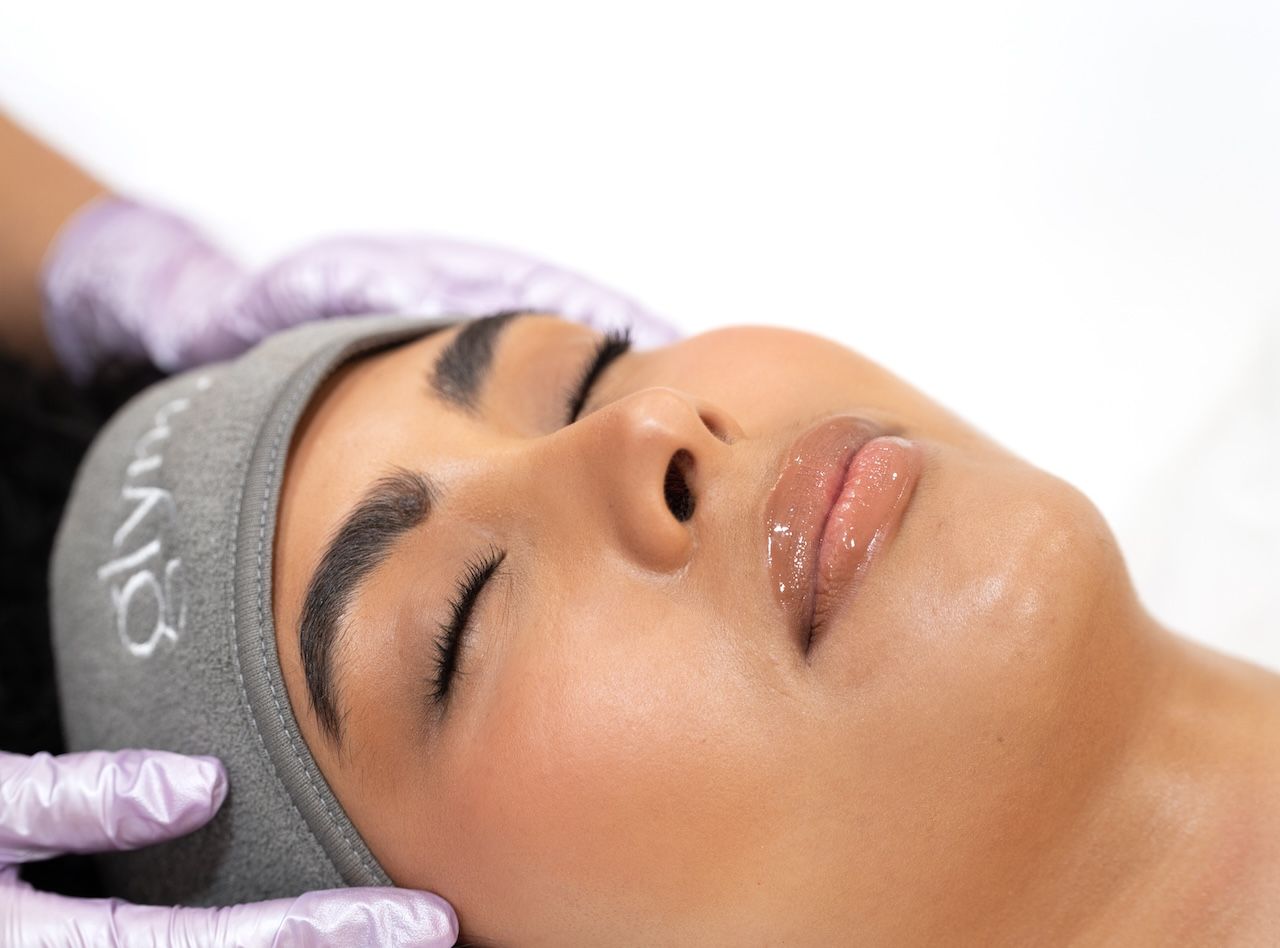
This sample protocol ensures a safe, effective treatment utilizing professional-grade GlyMed+ formulas designed to soothe and protect.
BEFORE TREATMENT
- Cleanse with GlyMed+ Mega Cream Cleanser
- Prepare skin with appropriate pre-treatment steps
DURING TREATMENT
- Perform dermaplaning with proper technique
- Use Beauty Oil as a slip to reduce friction and help the blade glide smoothly
AFTER TREATMENT
- Apply GlyMed+ Restoring Fulvic Elixir for hydration
- Follow with a barrier-supporting moisturizer like Daily Repair Cream
- Finish with Hydrating Protection Gel with SPF 30
HOW TO CUSTOMIZE BASED ON SKIN TYPE
Every client's skin is unique, so customize your dermaplaning before and after approach to achieve the best possible results. Making small adjustments to your technique will promote a safe and comfortable experience for everyone in your chair.
OILY VS. DRY SKIN CONSIDERATIONS
Oily skin types need lighter hydration options and oil-controlling ingredients that won't clog pores. Dry skin types require richer, barrier-supporting moisturizers and deeply hydrating serums to lock in moisture.
SENSITIVE SKIN ADJUSTMENTS
Sensitive skin needs an incredibly gentle approach, so utilize extra-calming products and skip stronger techniques. Always perform a thorough consultation to ensure your client’s skin can handle manual exfoliation without excessive redness.
KEEPING ROUTINES FLEXIBLE FOR CLIENT NEEDS
Keep a constant eye on the skin's immediate reaction and adapt your product choices on the fly. If a client shows unexpected redness, pivot to ultra-soothing products and extend their dermaplaning aftercare schedule to delay reintroducing active home care.
ELEVATE YOUR PRACTICE AS A GLYMED PROFESSIONAL
Ready to master dermaplaning aftercare and offer your clients unparalleled results? As a GlyMed professional, you’ll gain access to pharmaceutical-grade products perfect for pre- and post-care. You'll also receive advanced aesthetic education to refine your dermaplaning technique with help from our dedicated team of licensed Master Aestheticians, here to support you and answer any questions.
Join our elite network today to improve your protocols and increase your client satisfaction.
FREQUENTLY ASKED QUESTIONS
CAN CLIENTS USE ACTIVE INGREDIENTS BEFORE DERMAPLANING?
No, clients should strictly avoid active ingredients before a dermaplaning service. Clients must pause the use of exfoliating actives like Lactic Acid, Salicylic Acid and Retinol for at least 5 – 7 days prior. This prevents over-exfoliation and minimizes the risk of severe irritation.
SHOULD I PERFORM DERMAPLANING ON DRY OR HYDRATED SKIN?
Dermaplaning can be done on both. Traditionally, aestheticians have performed dermaplaning on dry skin, but modern techniques have found that using a lightweight oil, serum or balm can allow the blade to move more efficiently on the skin without catching.
WHAT SHOULD CLIENTS AVOID AFTER DERMAPLANING?
Clients must avoid using physical scrubs, strong astringents, direct sunlight, intense heat sources like saunas and active chemical exfoliants for several days. They should stick to gentle, hydrating routines for their dermaplaning aftercare until the skin normalizes.
IS DERMAPLANING SAFE FOR SENSITIVE SKIN?
Yes, dermaplaning is generally safe for sensitive skin when performed with a cautious, gentle technique. However, it is absolutely contraindicated for highly sensitized, inflamed skin or active rosacea.
HOW OFTEN SHOULD CLIENTS RECEIVE DERMAPLANING?
Clients should ideally receive dermaplaning treatments every 4 – 6 weeks. This timeline aligns perfectly with the natural cellular turnover cycle of the skin. Re-treating too soon can compromise the skin barrier and cause unwanted sensitivity.
BECOME A GLYMED+ PROFESSIONAL
Like this content? Thousands of licensed skincare professionals have discovered the benefits of becoming a GlyMed+ Pro. Now's the time to join an elite group of estheticians dedicated to providing the best skincare services using the most effective products.
Click below to begin your GlyMed+ partnership and take your skincare business to new heights!
Become a ProSUPPORTING SKINCARE PROFESSIONALS
All GlyMed+ products are sold through licensed professionals to ensure product integrity and proper skincare instruction. As you work with a GlyMed+ Professional, you’ll receive personalized skincare treatments and home care regimens to help you achieve your skin goals.
Contact Your Local GlyMed+ ProFOLLOW US @GLYMEDPLUS
STAY CONNECTED
Enter your email to get the latest news, tips and deals straight to your inbox