
WHY SKIN STOPS RESPONDING TO SKINCARE TREATMENTS
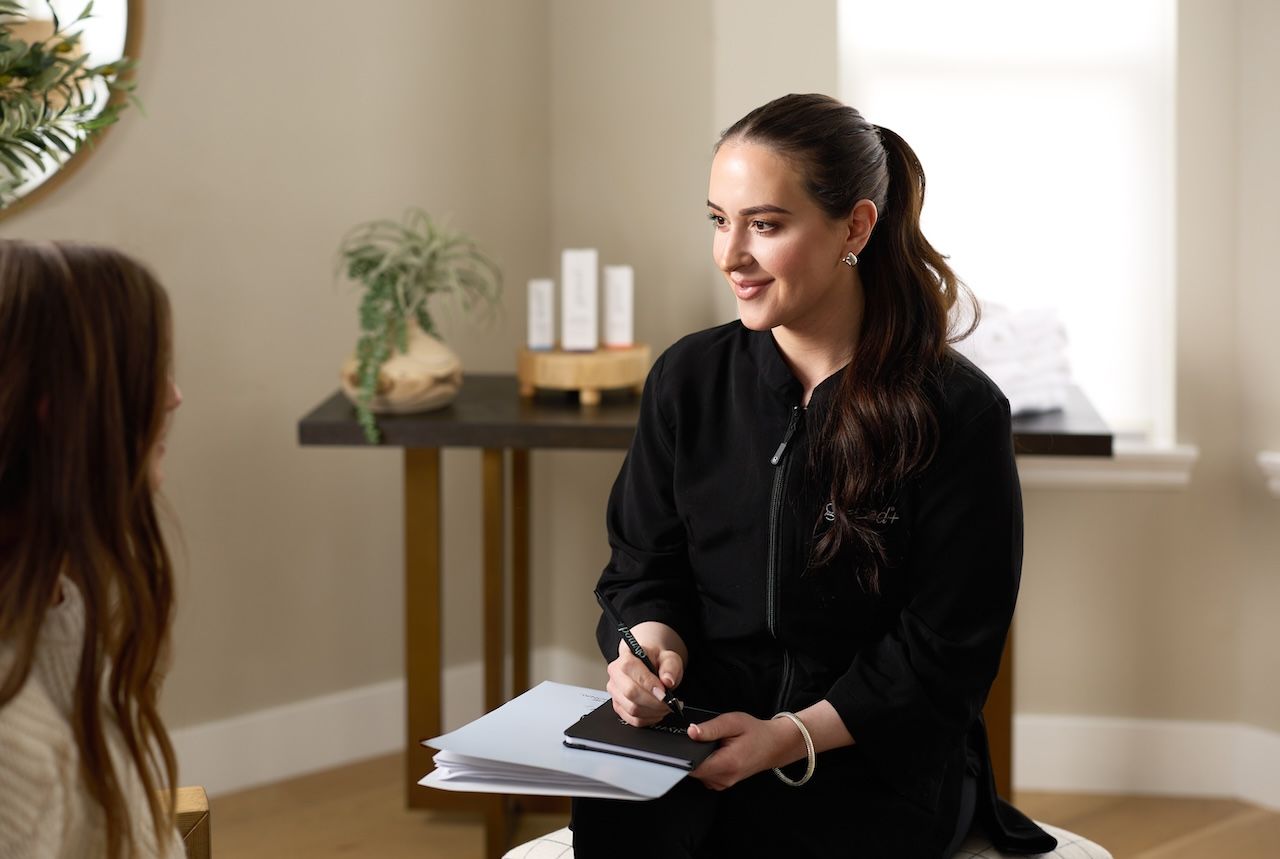
There's nothing more exciting than seeing a client’s skin transform during the first few weeks of a new regimen. Their complexion brightens, breakouts diminish, and they're thrilled with the progress. But fast forward a few months, and sometimes, that exciting progress suddenly stalls. Your clients might ask, "Why is my skincare not working anymore?"
When skincare stops delivering results, it’s often due to factors like skin adaptation, improper product use, changes in the skin barrier or external influences like hormones and the environment. Identifying the root cause is key to restoring progress.
WHEN SKIN STOPS RESPONDING, WHAT DOES IT ACTUALLY MEAN?
When the skin stops responding to treatments, you might notice diminished visible results and slower progress toward your client’s skincare goals. It can even mean seeing old issues resurface; a client who finally managed their breakouts might suddenly experience new congestion and ask why their skincare is not working anymore.
This is a common phase in long-term skincare, and understanding why it happens allows you to guide your clients through it more effectively.
PHYSIOLOGICAL FACTORS THAT INFLUENCE SKIN RESPONSE


The skin is a dynamic organ that constantly shifts in response to internal and external triggers. Here are the major physiological factors that influence how the skin may react to active ingredients over time.
- Cellular Turnover Variability: As the body ages or experiences stress, its cellular turnover rate fluctuates. Even if your client is using high-quality products with alpha hydroxy acids to speed things up, the skin's natural shedding process can sometimes slow down and cause a buildup of dead cells that blocks product absorption.
- Barrier Function Fluctuations: When the stratum corneum function fluctuates due to weather changes or over-exfoliation, your client's skin has a tough time holding onto moisture and can't effectively absorb the nutrients and active ingredients from skincare products.
- Sebum Production Changes: Many different processes could cause the skin to start producing more oil. This excess oil can form a layer on the skin's surface, making it difficult for products to penetrate and work as they should.
- Chronic Inflammation: When the skin is in a state of chronic inflammation, it's constantly in defense mode. This means all its energy is focused on protecting itself, leaving very little room to absorb and benefit from the nourishing ingredients in a skincare routine.
ADAPTATION VS. MISAPPLICATION: WHAT'S REALLY HAPPENING?
When your client's progress stalls, it's natural to wonder what's going on. Is their skin simply used to the routine, or is something else at play? Let's break down the two most common reasons this happens.
ADAPTATION
First, your client's skin might have hit a plateau. Think of it like a new fitness routine: at first, the new challenge leads to great results, but eventually, your body adapts, and progress slows if you keep doing the same workout. Similarly, your client's skin might have absorbed all the benefits it can from the current products and is now ready for the next step. It's not that their skincare isn't working anymore; they just need a change!
MISAPPLICATION
On the other hand, the issue could be how the products are being used. It's easy to get excited and layer on multiple active ingredients, but this can overwhelm the skin, leading to irritation that stops progress in its tracks.
Even if you advise against over-layering, ensuring client compliance remains a common challenge. The perfect routine won't work if your client is skipping steps or adding in other products they haven't discussed with you. The key to correct application and client compliance is education and trust.
FORMULATION AND INGREDIENT CONSIDERATIONS
Sometimes the products themselves are the reason a client's skincare isn't working anymore. The right formulation is key, and sometimes, what once worked perfectly needs a little adjustment.
- Ingredient Saturation: Over time, the skin can become saturated with specific ingredients and stop responding to them.
- Penetration and Delivery Systems: For an ingredient to work its magic, it needs to reach the right layer of the skin. A great example is Glycolic Acid, which has a small molecular size that helps it get to work quickly within the epidermis. If a product isn't formulated for proper delivery, it simply won't be as effective.
- Ingredient Synergy: You can have a lineup of fantastic products, but if they aren't layered correctly, certain products or ingredients can counteract each other or become less effective. This is why thinking about the entire routine as a whole, rather than just individual products, is so important.
INTERNAL AND EXTERNAL FACTORS THAT DISRUPT A SKINCARE REGIMEN

Never underestimate the power of a client's environment and lifestyle. Sometimes, even when a client follows their routine perfectly, you might not see the results you expect because of factors in their daily life that are quietly working against their skincare goals.
- Environmental Exposure: Extended time in the sun can compromise the immune system, while heat and humidity often aggravate acne-prone skin.
- Hormonal Fluctuations: Hormone shifts are among the most common triggers of sudden skin changes, heavily influencing sebum production and congestion.
- Lifestyle Variables: Lack of sleep, high stress and poor dietary choices can easily lead to sudden flare-ups and stagnation.
- Gut Health: Systemic issues correlate with inflammation. Poor gut health can lead to skin irritation and breakouts.
HOW TO ADJUST A SKINCARE REGIMEN FOR CONTINUED RESULTS
When your client hits a wall and tells you their skincare isn't working anymore, it's time to pivot. Here are simple steps to thoughtfully adjust their routine to ensure they keep moving toward their goals.
1. REASSESS SKIN CONDITION REGULARLY
Think of it this way: the sooner you spot a change, the easier it is to manage. Make it a habit to check in on your client's skin at every appointment. This way, you can catch any subtle shifts before they turn into bigger concerns and keep their progress on track.
2. INTRODUCE STRATEGIC VARIATION
If your client's skin is doing well, it's a great time to introduce some variety into their exfoliation routine to keep the skin primed. Try alternating between different ingredients, like Lactic Acid or enzymes, to give their skin a fresh and beneficial challenge.
3. SUPPORT THE SKIN BARRIER
A strong barrier is essential for product absorption. Ensure your client is using barrier-supporting products like Protective Skin Serum with Ceramides and finishing their morning routine with Hydrating Protection Gel with SPF 15 or another GlyMed+ sun protection product.
4. SIMPLIFY BEFORE INTENSIFYING
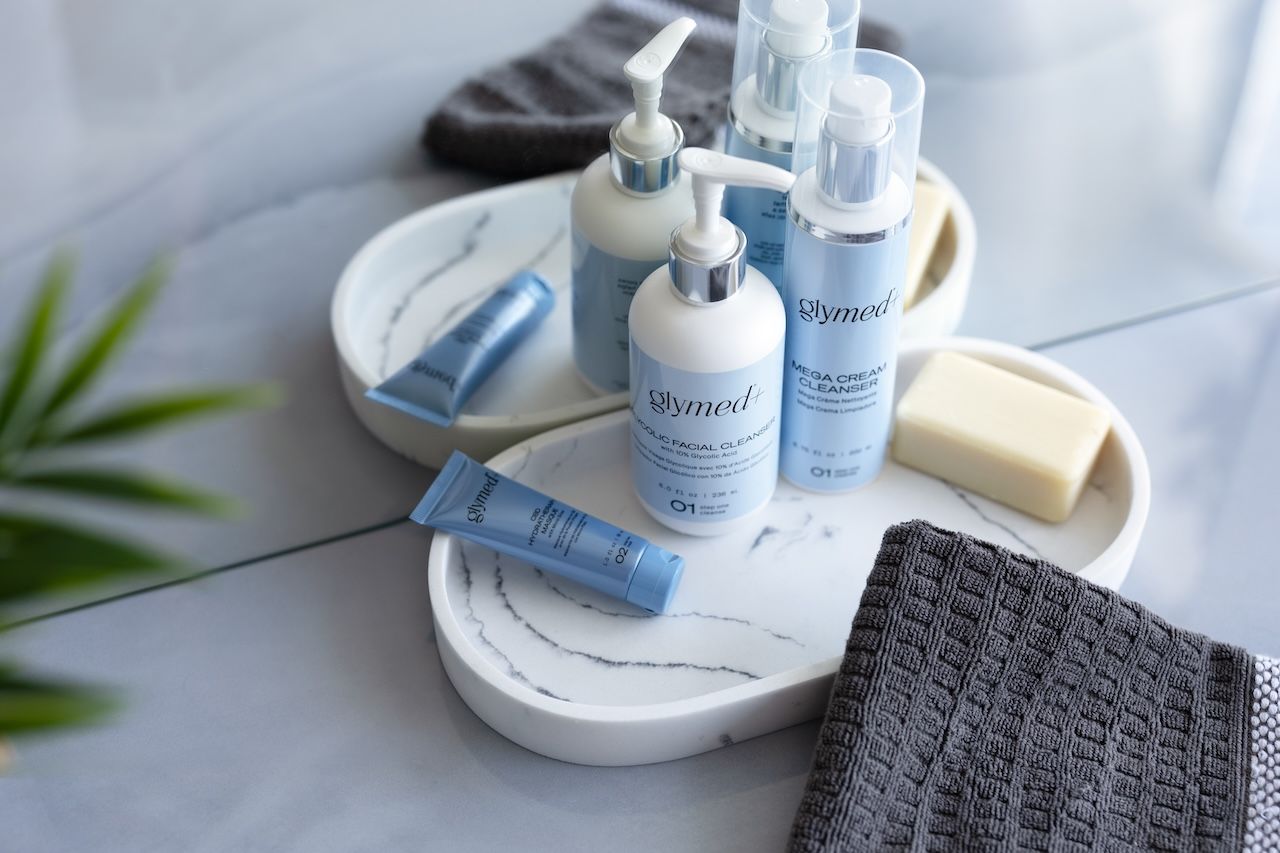
Often, one small change makes all the difference. Don't change everything at once if your client tells you their skincare isn't working anymore. Instead, incorporate small, steady changes until you figure out what works. If the skin seems overwhelmed, pull back to the basics like the Glycolic Facial Cleanser with 10% Glycolic Acid and a simple moisturizer.
5. PROFESSIONAL TREATMENTS AS A COMPLEMENT
Professional treatments can be a powerful boost to your client's home care routine. A protocol of in-clinic AHA exfoliation or ultrasonic facials combined with targeted home care like the Daily Skin Clarifier provides the dual approach needed for lasting results.
HOW TO GET YOUR SKINCARE WORKING AGAIN
If skincare stops producing results, the solution is not to start over, but to reassess. By identifying whether the issue is adaptation, product use or external influence, you can make targeted adjustments that restore progress and support long-term outcomes.
ADAPT YOUR ROUTINES WITH KNOWLEDGE FROM GLYMED+
Ready to guide your clients through the ups and downs of their skincare journey? With GlyMed+, you’ll get the progressive education and professional-grade products you need to manage even the most stubborn skin concerns with confidence.
Join thousands of licensed professionals who have transformed their practice by partnering with us. Register as a GlyMed+ Pro to start building effective, adaptable skincare regimens for your clients today!
FREQUENTLY ASKED QUESTIONS
WHY DID MY SKINCARE STOP WORKING ALL OF A SUDDEN?
Sudden changes can be caused by hormones, stress, environmental shifts or the skin adapting to products and needing a change. Even small disruptions can affect how the skin responds.
CAN THE SKIN BECOME RESISTANT TO ACTIVE INGREDIENTS LIKE RETINOL?
Yes, the skin can build a tolerance. Topical retinoids like Retinol are derivatives of Vitamin A that normalize follicular keratinization. Over time, the skin can adapt to the cell-turnover rate, which is why it's recommended to slowly increase the percentage or cycle the ingredient.
HOW OFTEN SHOULD A SKINCARE REGIMEN BE ADJUSTED FOR OPTIMAL OUTCOMES?
It varies by client, but a good rule of thumb is to reassess every season or every 12 – 16 weeks. Seasonal weather shifts and lifestyle changes naturally dictate a need for minor adjustments to keep the skin balanced.
HOW CAN YOU TELL IF A CLIENT’S REGIMEN IS NO LONGER EFFECTIVE?
Look for a duller complexion, increased dryness or the sudden reappearance of congestion. If a client complains that their skin feels texturized despite using an exfoliant like Peptide Micro Scrub or asks, “Why is my skincare not working anymore,” it's a sign their routine needs a refresh.
IS IT BENEFICIAL TO CYCLE ACTIVE INGREDIENTS FOR LONG-TERM SKIN OUTCOMES?
Absolutely. Alternating ingredients when a condition is under control helps alleviate resistance. It also keeps the skin in a responsive state and prevents ingredient fatigue or unnecessary irritation.
WHY DO SOME PROFESSIONAL TREATMENTS WORK WELL FOR SOME CLIENTS BUT NOT FOR OTHERS?
Every person's body is unique, and internal factors play a huge role in how their skin responds to treatment. It can be confusing when a professional treatment that works wonders for one client doesn't have the same effect on another, even if their skin concerns seem similar. But things like stress levels, which affect adrenal activity, are just one example that changes how a client's skin reacts. This is why understanding the whole picture of your client's health and lifestyle is so important.
BECOME A GLYMED+ PROFESSIONAL
Like this content? Thousands of licensed skincare professionals have discovered the benefits of becoming a GlyMed+ Pro. Now's the time to join an elite group of estheticians dedicated to providing the best skincare services using the most effective products.
Click below to begin your GlyMed+ partnership and take your skincare business to new heights!
Become a ProSUPPORTING SKINCARE PROFESSIONALS
All GlyMed+ products are sold through licensed professionals to ensure product integrity and proper skincare instruction. As you work with a GlyMed+ Professional, you’ll receive personalized skincare treatments and home care regimens to help you achieve your skin goals.
Contact Your Local GlyMed+ ProFOLLOW US @GLYMEDPLUS
STAY CONNECTED
Enter your email to get the latest news, tips and deals straight to your inbox