
INFLAMED VS NON-INFLAMED ACNE LESIONS EXPLAINED
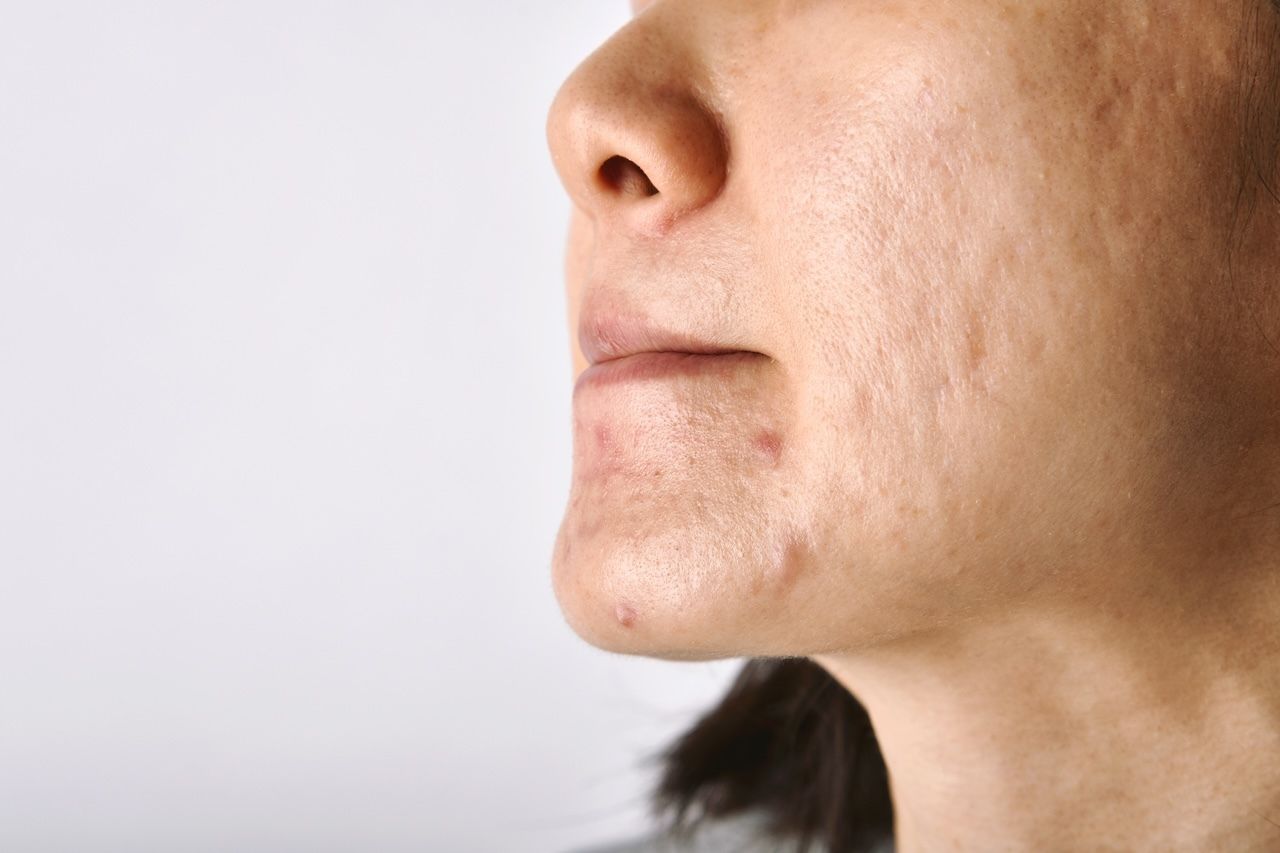
Are your clients wondering why some breakouts seem to come out of nowhere while others stick around for weeks? A thorough understanding of acne lesion types is foundational for any skincare professional. Whether your client is dealing with the occasional spot or more stubborn breakouts, knowing what's happening beneath the skin's surface can help you choose the right approach and products.
Acne lesions fall into two broad categories: non-inflamed acne and inflamed acne. Let's break them down.
NON-INFLAMMATORY ACNE LESIONS
Non-inflammatory acne lesions occur when follicular filaments become clogged, forming micro-comedones. These are embryonic acne lesions that can develop into two distinct types: open comedones (blackheads) and closed comedones (whiteheads).
OPEN COMEDONES
Open comedones, commonly known as blackheads, form when cellular debris and oil clog a sebaceous follicle. As more cells become impacted in the lesion, the surface opening dilates from internal pressure. The impaction then pushes its contents to the surface, which gets exposed to environmental air, becomes oxidized and gains a characteristic dark color.
Common Locations: T-zone, cheeks, hairline, ears and torso
Visual Characteristics:
- Enlarged pore opening
- Dark impaction visible at the surface
- Contents exposed to environmental air
- Primarily composed of melanin
CLOSED COMEDONES
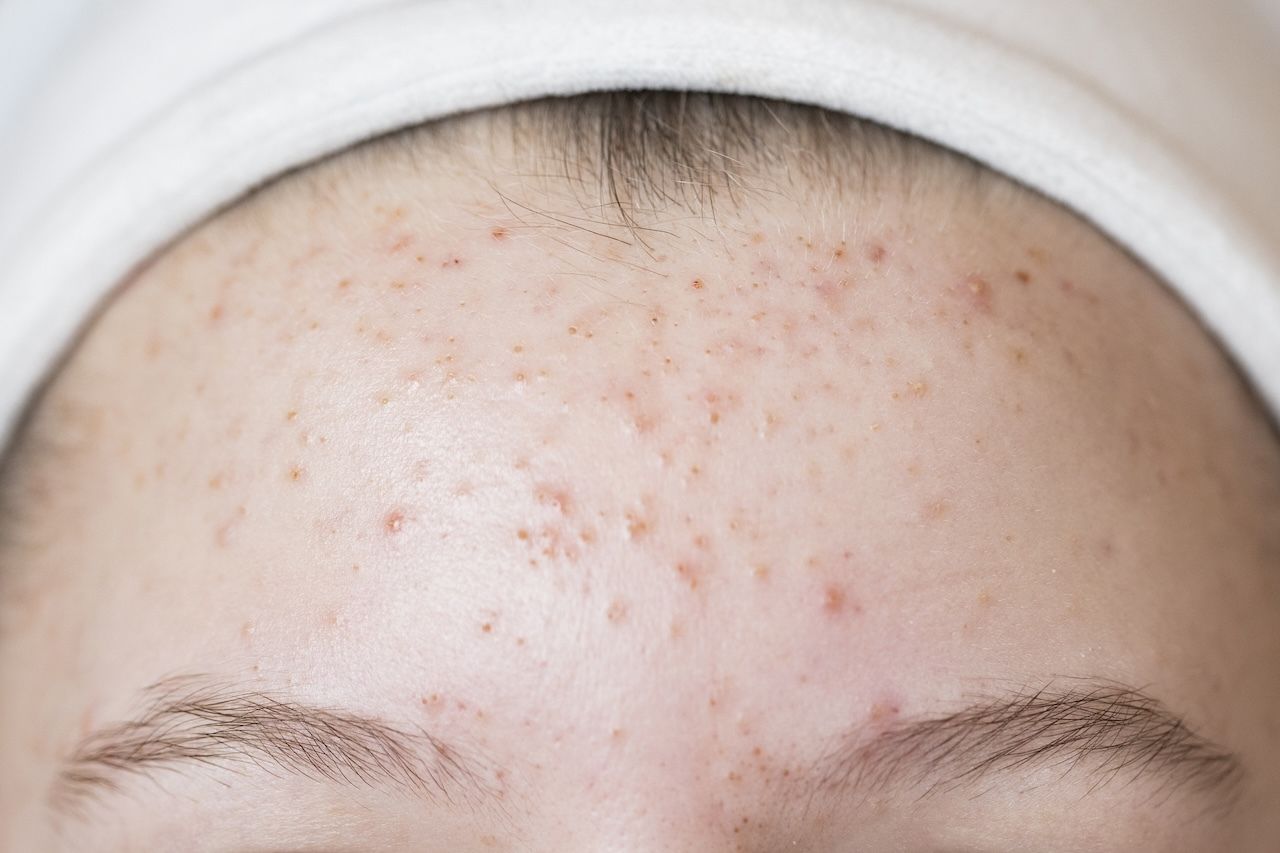
Closed comedones, or whiteheads, develop when dead skin cells rapidly accumulate and become impacted. This causes the lesions to enlarge and stay closed while dead skin cells accumulate inside. The cavity of the follicle can't dilate properly, which means the backup of dead skin, melanin, triglycerides and bacteria has nowhere to go.
Common Locations: T-zone, cheeks, jawline and torso
Visual Characteristics:
- Small, closed opening at the surface
- Dead skin cells accumulate inside
- Unable to discharge contents
- White or flesh-colored appearance
INFLAMMATORY ACNE LESIONS
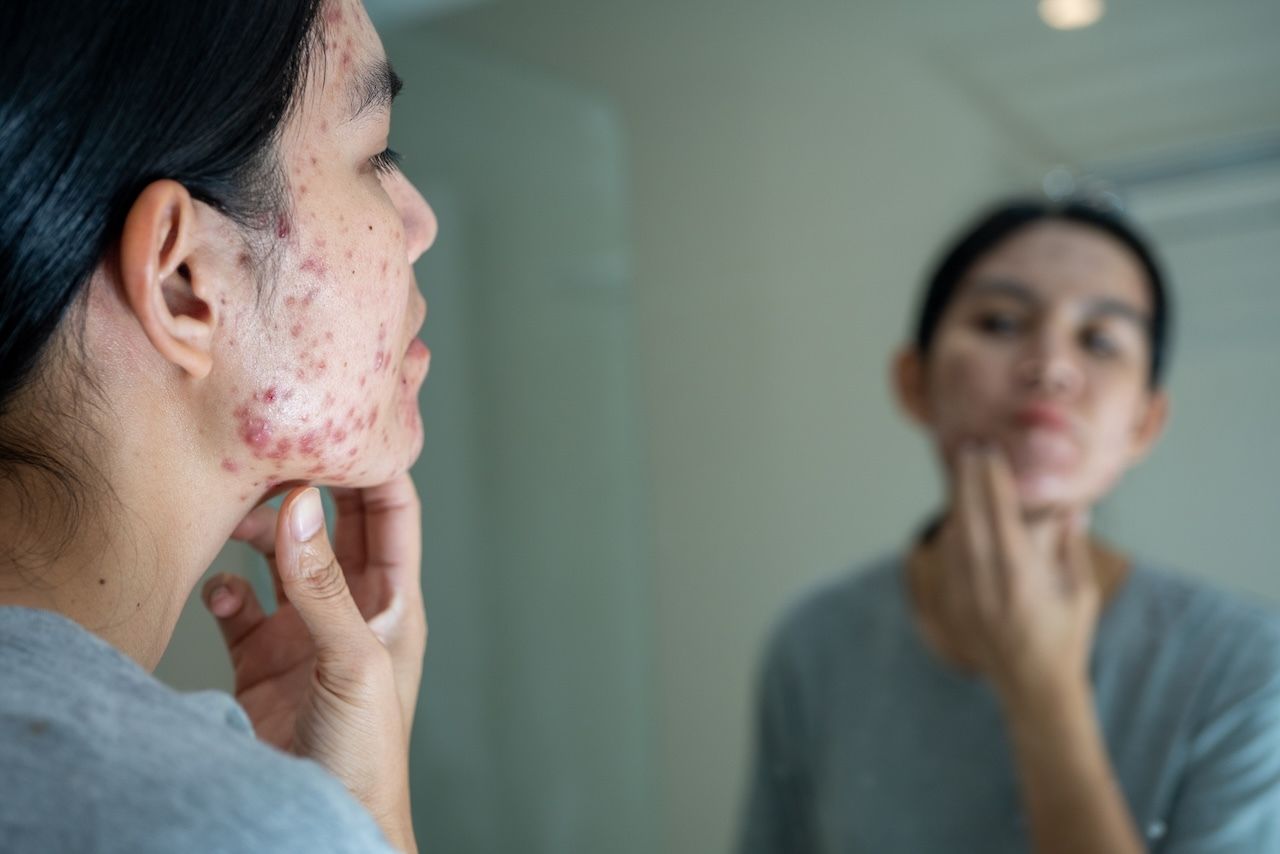
Inflamed acne occurs when the wall of the follicle breaks down. This breakdown can be triggered by stress, hormones, follicular pressure, picking and irritants. Once the follicle wall is compromised, the body's inflammatory response kicks in, leading to four distinct types of inflamed acne lesions.
PAPULES
Papules are small, solid lesions raised above the surface of the skin. They form from a reaction deep within the follicle to sebum, fatty acids, bacteria and trapped epithelium. These red, inflamed bumps don't contain visible pus but are tender to the touch.
Common Locations: Face, torso, upper arms, legs and wrists
Visual Characteristics:
- Red and inflamed
- Solid (no visible pus)
- Raised above the skin surface
PUSTULES
Pustules normally begin as papules but soon dissolve into a liquid substance. They're pus-filled lesions raised above the surface of the skin. The white or yellow center you see is the body's immune response at work, collecting white blood cells and dead bacteria.
Common Locations: Face, back, shoulders, chest, armpits, palms and soles of feet
Visual Characteristics:
- Inflamed
- Filled with pus (white or yellow center)
- Raised above the skin surface
NODULES
Nodules are similar to papules but larger and deeper. Like pustules, nodules are formed from a reaction within the hair follicle. These painful lesions extend further into the skin layers and can persist for weeks or even months.
Common Locations: Chin, jawline, forehead, back, chest, neck, buttocks and groin
Visual Characteristics:
- Red and inflamed
- Large, solid lesions
- Deep within skin layers
CYSTS
All cysts are secondary comedones, meaning they develop from existing acne lesions into walled sacs or pouches that form when several follicles break down and merge. Cysts are the most severe form of acne and can cause significant discomfort and scarring.
Common Locations: T-zone, jawline, neck, back, chest, buttocks and behind the ears
Visual Characteristics:
- Red discoloration
- Large, fluid-filled sacs
- Soft to the touch
THE LASTING IMPACT OF INFLAMMATION
Unmanaged inflammatory acne can leave lasting scars. When inflammation damages deeper skin layers, the body produces collagen to fight it—but this process isn’t always perfect. Too much collagen creates raised scars, while too little leads to depressed scars like ice pick, boxcar or rolling scars. Inflammation can also cause post-inflammatory hyperpigmentation (PIH), leaving dark spots behind.
That’s why early intervention is so important. Addressing inflamed acne quickly can significantly reduce the chances of scarring and discoloration, helping your clients maintain clearer, healthier skin over time.
WHY DOES ACCURATE IDENTIFICATION MATTER?
Non-inflammatory lesions respond better to exfoliation and extraction, while inflammatory lesions require a gentler and more soothing approach. This is just one reason why it's so critical to know the difference between inflammatory and non-inflammatory acne.
Active inflammation also has contraindications for certain modalities like microdermabrasion, chemical peels, physical exfoliants or microneedling. Performing these services on inflamed skin can spread bacteria and increase the risk of scarring. Always assess your client's skin thoroughly before proceeding with any treatment.
THE RIGHT INGREDIENTS FOR EVERY STAGE
Selecting the right ingredients is essential for supporting your clients' skin at every stage of their acne journey. Here's a breakdown of what works best for each lesion type.
NON-INFLAMMATORY LESIONS
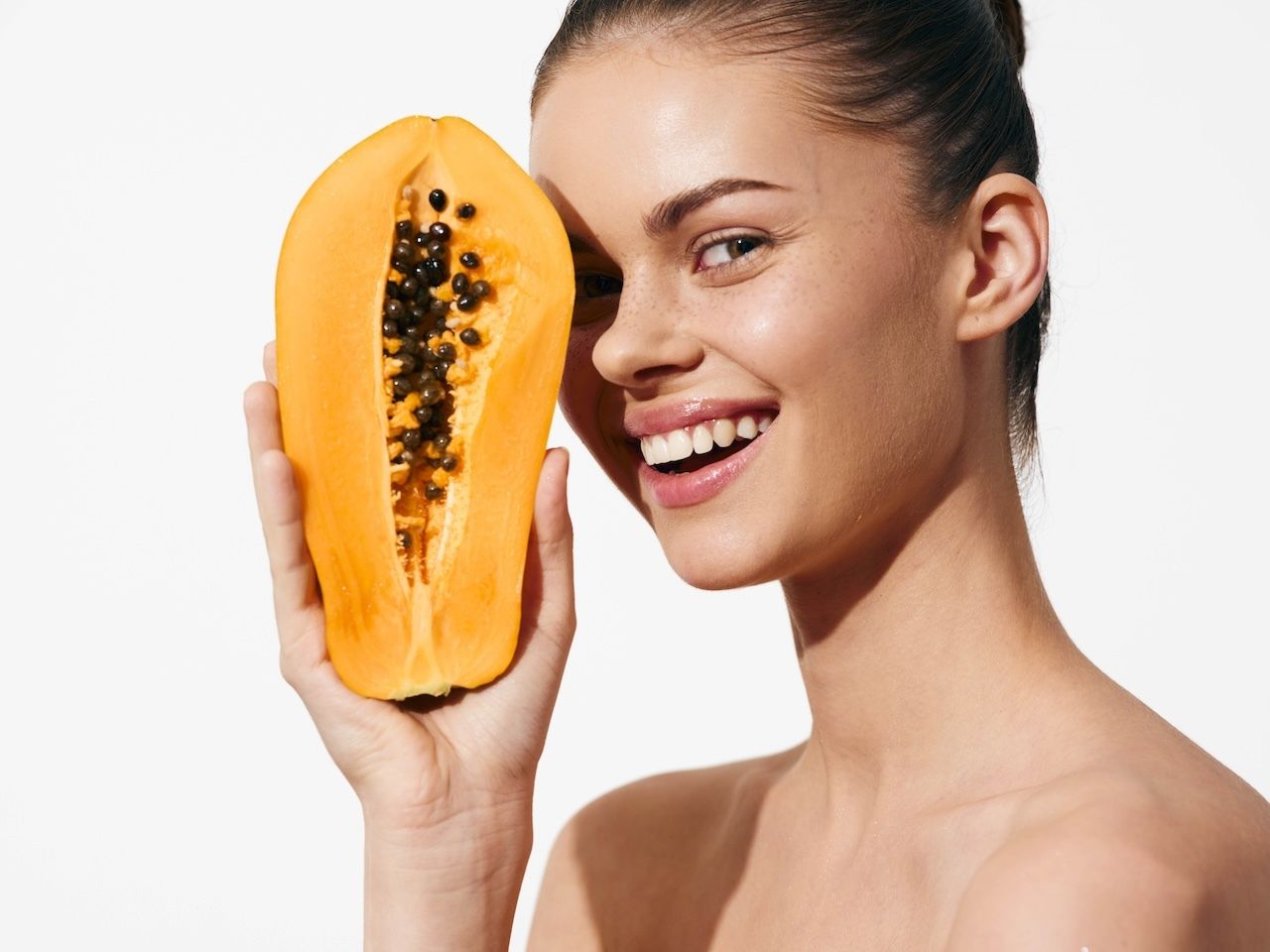
1. Papain/Papaya Enzymes: Facilitate a deep cleansing of the follicular opening, assist in removing trapped secretions and provide anti-inflammatory benefits
GlyMed+ recommendation: Hydrating Masque with Enzymes, Skin Clarifying Masque
2. Beta Hydroxy Acids (e.g., Salicylic Acid): Break down bonds between worn-out cells, enhance the penetration of other acne products and oxygenate tissue
GlyMed+ recommendation: Purifying Cleanser with Salicylic Acid, Exfoliating Cleanser with Salicylic Acid, Astringent No. 2
3. Retinol: Stimulates skin renewal by increasing mitotic cell division, boosts collagen and elastin production and breaks up cellular impaction in the acne follicle
GlyMed+ recommendation: Retinol Rejuvenation Serum
4. Resorcinol: Potentiates desquamation of non-nucleated epithelial tissue, promotes faster outcomes for acne skin and slows oil production
GlyMed+ recommendation: Skin Resurfacing Lotion with Resorcinol
INFLAMMATORY LESIONS
1. Aloe Vera and Arnica: Provide a protective layer that inhibits infection, soothes and hydrates the skin and offers anti-inflammatory and antimicrobial properties
GlyMed+ recommendation: Recovery Cream with Arnica, Comfort Cream with Aloe Vera
2. Hyaluronic Acid: Preserves tissue hydration, facilitates wound support and transports nutrients to cells
GlyMed+ recommendation: Ultra Hydro Gel
3. Niacinamide: Provides topical anti-inflammatory properties, is safe and effective for moderate inflammatory acne and supports barrier function
GlyMed+ recommendation: Atraxi Peptide
4. Benzoyl Peroxide: Reduces bacteria and fatty acids in the skin, penetrates deep into pores and causes desquamation and loosening of impactions.
GlyMed+ recommendation: Clear Skin Cleanser with Benzoyl Peroxide, Blemish Control No. 5
5. Sulfur: Controls bacteria, works as a peeling agent and loosens comedones by flaking off the follicle wall
GlyMed+ recommendation: Mattifying Sulfur Masque
6. Oxygen: Clears deep impactions by disrupting the anaerobic (oxygen-free) environment where Cutibacterium acnes thrives.
GlyMed+ recommendation: Oxygen Deep Pore Masque
POST-INFLAMMATORY CONCERNS
1. Vitamin C: Protects skin cells from UV-related damage, promotes collagen production and reduces hyperpigmentation
GlyMed+ recommendation: Vitamin C Cleanser, Vitamin C Cream, Vitamin C Serum
2. Lactic Acid: Diminishes the cohesion of surface skin cells, unroofs pustules and initiates desquamation
GlyMed+ recommendation: Accelerator Gel with 20% Alpha Hydroxy Acids
3. Tyrosinase Inhibitors: Lessen discoloration associated with acne, lower risk of post-inflammatory hyperpigmentation and brighten overall skin tone
GlyMed+ recommendation: Daily Skin Clarifier, CBD Regenerative Eye Cream
TAKE YOUR ACNE EXPERTISE TO THE NEXT LEVEL
Understanding the difference between inflamed and non-inflamed acne lesions is just the beginning. When you can confidently identify lesion types, select appropriate ingredients and guide your clients through their acne journey with knowledge and care, you become an invaluable resource.
Ready to expand your professional knowledge and access pharmaceutical-grade products that deliver real results? Become a GlyMed+ Pro today and join a community of skincare professionals dedicated to exceptional client outcomes.
BECOME A GLYMED+ PROFESSIONAL
Like this content? Thousands of licensed skincare professionals have discovered the benefits of becoming a GlyMed+ Pro. Now's the time to join an elite group of estheticians dedicated to providing the best skincare services using the most effective products.
Click below to begin your GlyMed+ partnership and take your skincare business to new heights!
Become a ProSUPPORTING SKINCARE PROFESSIONALS
All GlyMed+ products are sold through licensed professionals to ensure product integrity and proper skincare instruction. As you work with a GlyMed+ Professional, you’ll receive personalized skincare treatments and home care regimens to help you achieve your skin goals.
Contact Your Local GlyMed+ ProFOLLOW US @GLYMEDPLUS
STAY CONNECTED
Enter your email to get the latest news, tips and deals straight to your inbox