
UNDERSTANDING INFLAMMATORY ACNE: CAUSES, SYMPTOMS AND APPROACHES
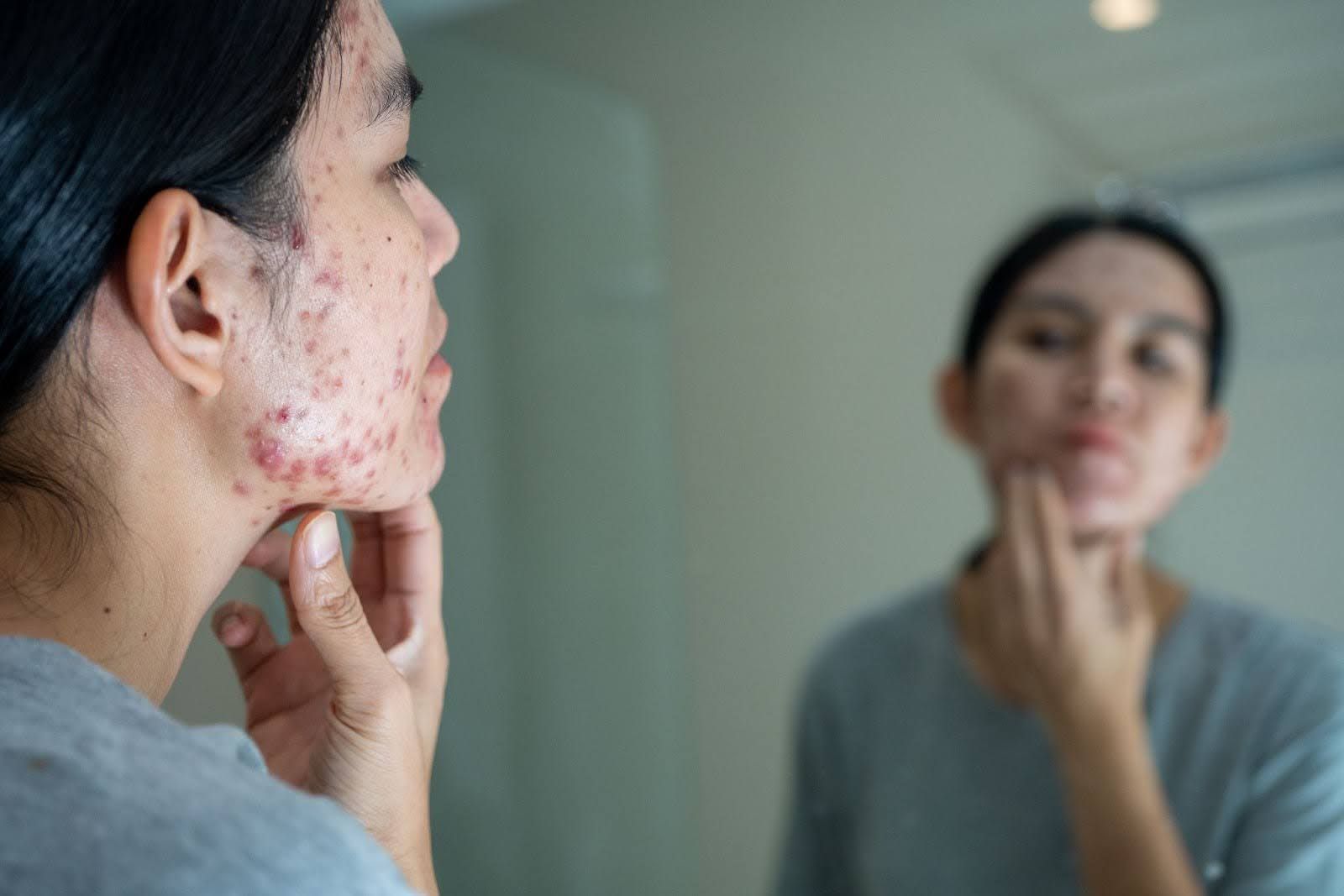
Inflammatory acne is a complex condition that continues to puzzle patients and inspire innovative products within the field of skincare. For aestheticians and skincare professionals, understanding its nuances is essential to help clients feel more confident and informed about managing their skin.
But how does inflammatory acne differ from its non-inflammatory counterpart? Here is what you need to know about the contributing causes, key characteristics and effective strategies to manage and improve this condition.
WHAT IS INFLAMMATORY ACNE?
Inflammatory acne is characterized by red, swollen and often painful lesions that result from activity deep within the skin's sebaceous (oil) glands and hair follicles. This condition involves an immune system response to bacteria within these follicles, causing visible inflammation and discomfort.
Understanding its pathophysiology is crucial for professional skincare providers seeking to address not only the aesthetic concerns but also the underlying causes your clients may be experiencing.
KEY DIFFERENCES BETWEEN INFLAMMATORY AND NON-INFLAMMATORY ACNE
While both inflammatory and non-inflammatory acne stem from blocked sebaceous glands, they differ in how they appear and behave.
- Non-inflammatory Acne:
- Inflammatory Acne:
Addressing these two types requires different approaches as non-inflammatory acne is often surface-level, while inflammatory acne demands more intensive intervention.
WHAT CAUSES INFLAMMATORY ACNE?
Several factors contribute to the development of this type of acne. As a skincare professional, understanding these causes helps you confidently guide your clients toward the right management strategies.
HORMONAL IMBALANCES
Hormones, particularly androgens like testosterone, play a pivotal role by stimulating the sebaceous glands. This increase in sebum production can clog pores and create an environment where acne-causing bacteria thrive. Clients undergoing hormonal changes, such as puberty, pregnancy or stress-induced fluctuations, are often more prone.
EXCESS SEBUM PRODUCTION
Sebum is a necessary substance for skin health, but its overproduction leads to clogged follicles. These blockages set the stage for inflammatory processes when they trap keratinized cells, bacteria and oil.
PROPIONIBACTERIUM ACNES OVERGROWTH
Propionibacterium acnes, a natural skin bacterium, becomes problematic in clogged pores as it feeds on lipid-rich sebum. Increased sebum production, triggered by hormones, stress or other factors, creates an ideal environment for the bacteria. As it breaks down the triglycerides in sebum into free fatty acids, it irritates the lining of the hair follicle, contributing to inflammation and the development of acne lesions.
In essence, the more sebum present, the more fuel acne-causing bacteria have to grow and multiply, which can exacerbate acne symptoms.
THE BODY’S IMMUNE RESPONSE
Inflammation occurs when the immune system recognizes propionibacterium acnes and tries to fight it by sending white blood cells to the area. While this is a protective mechanism, it also causes the visible symptoms of inflammatory acne, including redness, swelling and pain.
EXTERNAL TRIGGERS
Environmental and lifestyle factors such as poor hygiene practices, overuse of comedogenic products (e.g., certain oils, thick makeup), and exposure to pollutants can exacerbate acne inflammation. Recognizing these triggers is key to prevention.
RECOGNIZING THE SYMPTOMS OF INFLAMMATORY ACNE
Not all acne lesions mean a client is suffering from inflammatory acne. It's crucial to know the types of symptoms and lesions associated with the condition to properly classify the severity.
PAPULES
Small, red, raised bumps without a visible pus-filled center. These are often tender to the touch.
PUSTULES
Pus-filled lesions that have a visible white or yellow head, often surrounded by redness.
NODULES
Larger, solid lumps that form beneath the surface of the skin. These are often painful and more challenging to address.
CYSTS
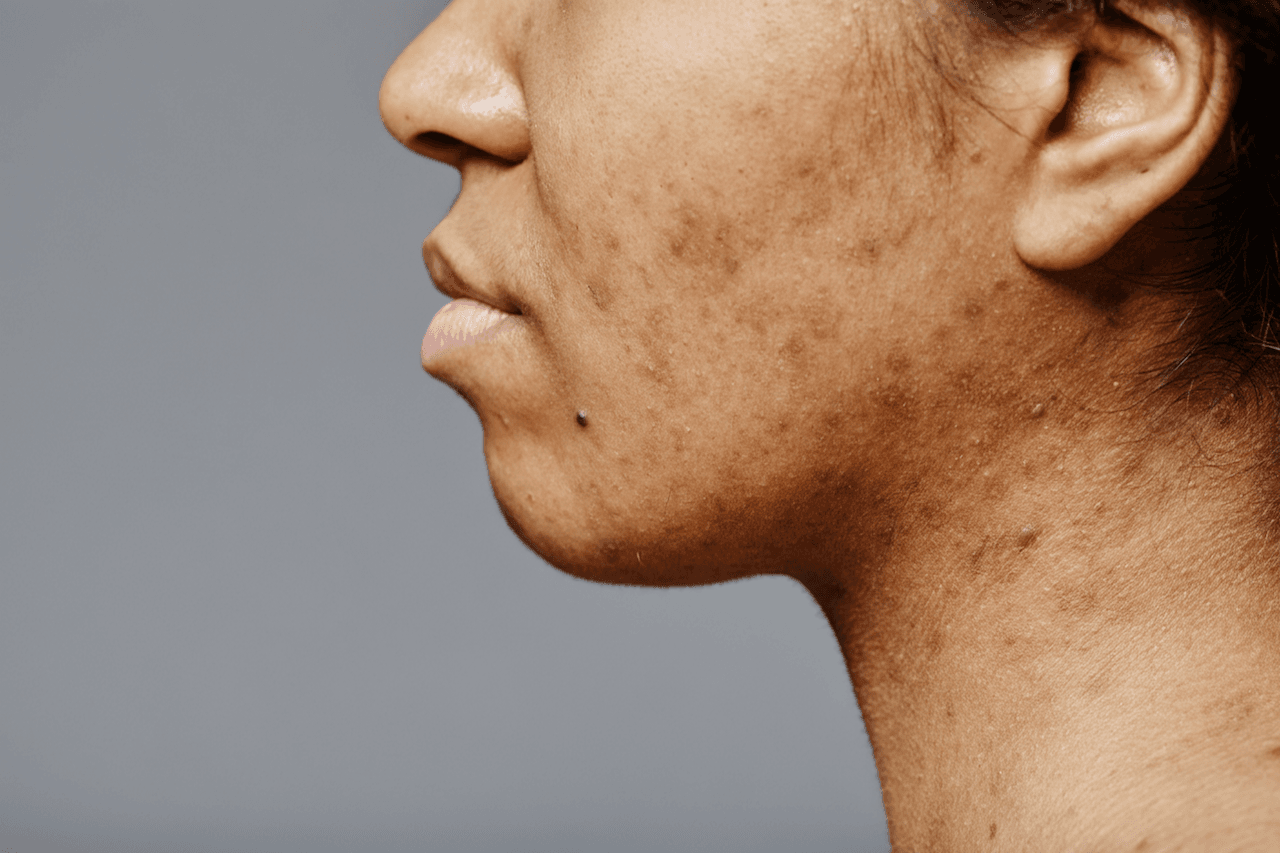

Deep, fluid-filled and often very painful lesions. Cysts are the most severe form of inflammatory acne and are more likely to leave scarring.
ADDITIONAL SYMPTOMS
Inflammatory acne can also cause general redness, swelling, scarring tendencies and heightened skin sensitivity. These symptoms can affect a client’s confidence and quality of life, emphasizing the importance of a proactive approach.
APPROACHES TO MANAGING INFLAMMATORY ACNE
For skincare professionals aiming to provide effective solutions, recommending scientifically backed methods and referring clients to dermatologists when required is vital. Below are some effective ways to manage this type of acne.
SALICYLIC ACID
This beta-hydroxy acid (BHA) is oil-soluble, meaning it can penetrate deep into sebaceous follicles to remove excess oil and exfoliate dead skin cells. Our Purifying Cleanser with Salicylic Acid is ideal for preventing blockages and calming inflammation.
RETINOIDS
These Vitamin A derivatives, such as Tretinoin and Adapalene, offer powerful benefits by increasing cell turnover and reducing the formation of comedones. They may also reduce inflammation indirectly.
Note: Retinoids may require a prescription and need careful usage guidance for sensitive clients. We recommend our Retinol Rejuvenation Serum for clients with sensitive skin as its micro-encapsulated formula slowly releases retinol over several hours to help minimize irritation.
CHEMICAL PEELS
Professional chemical peels containing alpha-hydroxy acids or Salicylic Acid, like our Jessner Solution or Professional Exfoliator with 30% Alpha Hydroxy Acids, can help resurface the skin, clear blockages and minimize scarring over time. Chemical peels should only be administered by qualified professionals.
MICRONEEDLING
While microneedling is not suitable for active inflammatory acne, it is a valuable post-care procedure to address scarring. This technique stimulates collagen production, improving the appearance of acne scars.
SELECT NON-COMEDOGENIC PRODUCTS
Using and recommending non-comedogenic skincare products like our Daily Repair Cream ensures that clients' routines won’t contribute to clogged pores, minimizing the risk of flare-ups.
CONSISTENT CLEANSING AND MOISTURIZING
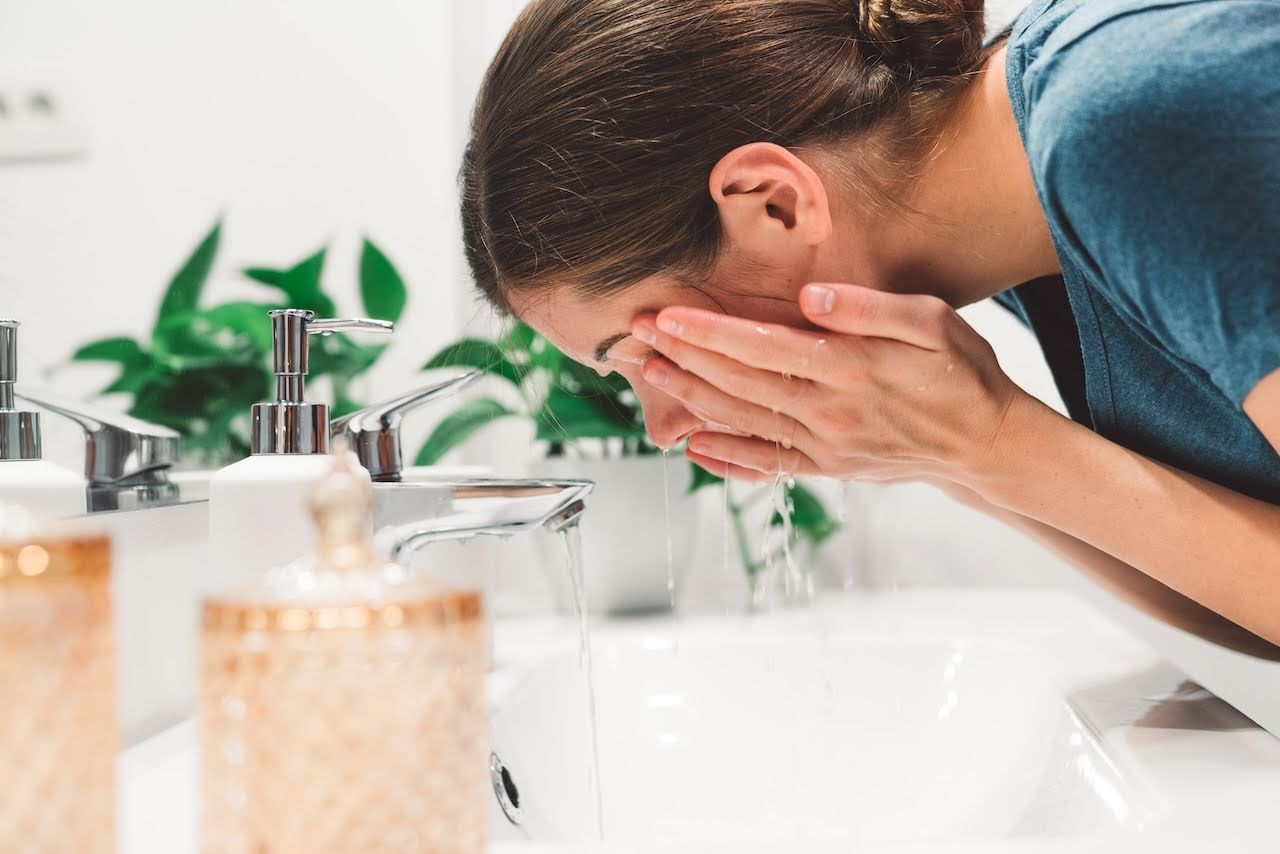

Encourage clients to cleanse with gentle, sulfate-free cleansers and to maintain the hydration barrier by incorporating non-comedogenic moisturizers. Recommend starting with our Gentle Gel Cleanser with Amino Acids for a balanced barrier that helps avoid the overproduction of oil caused by dryness, and finishing with our Comfort Cream with Aloe Vera to lock in moisture and calm the skin.
ADVANCED DERMATOLOGICAL PROCEDURES
For severe cases, particularly those involving cysts, dermatologists can perform steroid injections, prescribe oral isotretinoin (Accutane) or consider other tailored interventions.
EMPOWER YOUR CLIENTS WITH PROVEN SOLUTIONS
Acne is more than just a skin condition. It’s deeply connected to emotional well-being and self-confidence. As a skincare professional, guiding your clients through their skin’s unique needs not only builds trust but also creates life-changing transformations.
By pairing your expertise with GlyMed Plus products, you can empower your clients to take control of their skin with confidence and clarity.
With advanced formulations and proven results, GlyMed Plus products are designed to meet the unique needs of every skin type.If you’re looking to elevate your practice, register as a GlyMed Pro and gain access to exclusive education courses that will help you master advanced skincare techniques that deliver exceptional results.
BECOME A GLYMED+ PROFESSIONAL
Like this content? Thousands of licensed skincare professionals have discovered the benefits of becoming a GlyMed+ Pro. Now's the time to join an elite group of estheticians dedicated to providing the best skincare services using the most effective products.
Click below to begin your GlyMed+ partnership and take your skincare business to new heights!
Become a ProSUPPORTING SKINCARE PROFESSIONALS
All GlyMed+ products are sold through licensed professionals to ensure product integrity and proper skincare instruction. As you work with a GlyMed+ Professional, you’ll receive personalized skincare treatments and home care regimens to help you achieve your skin goals.
Contact Your Local GlyMed+ ProFOLLOW US @GLYMEDPLUS
STAY CONNECTED
Enter your email to get the latest news, tips and deals straight to your inbox