IS YOUR CLIENT'S SKIN DRY OR JUST DEHYDRATED?
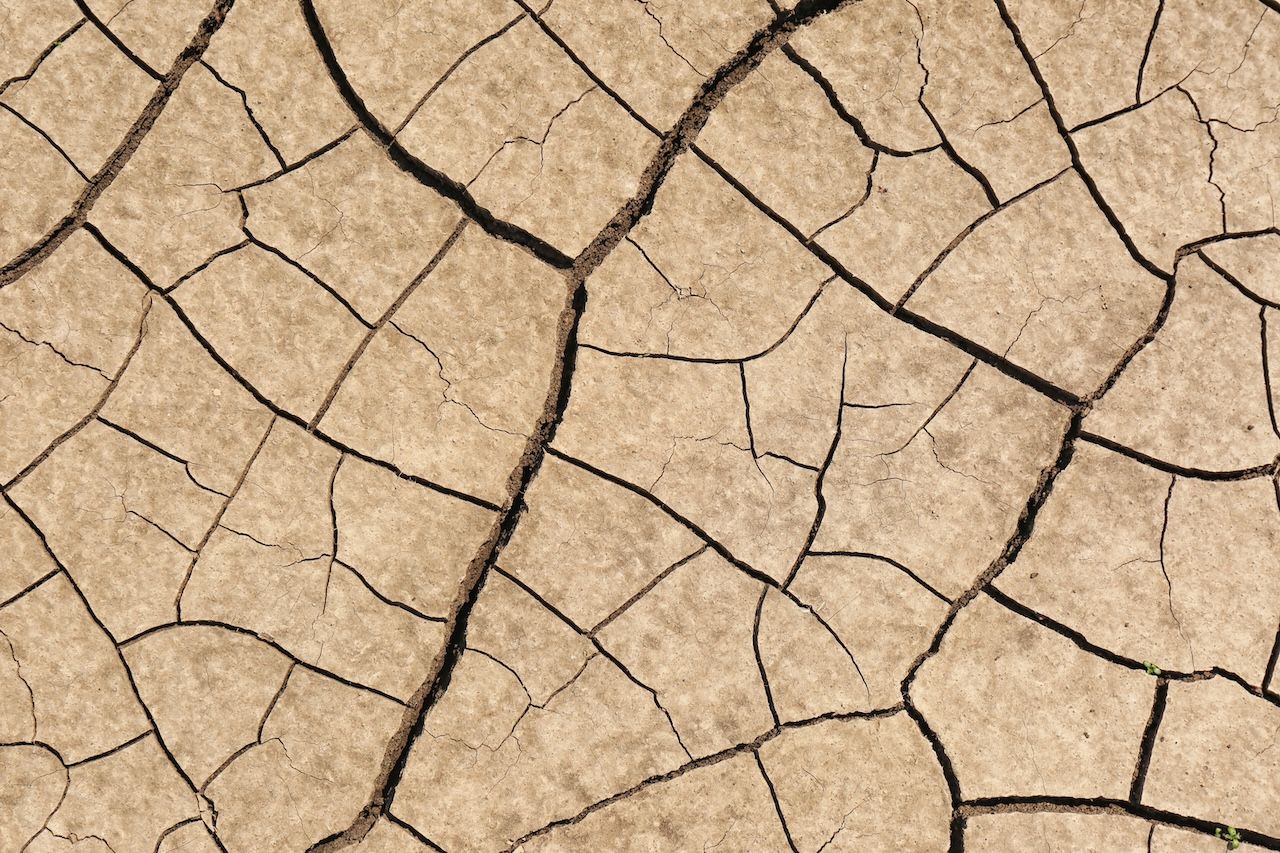
It's easy to reach for a heavy moisturizer the moment someone mentions tight or dull skin. Your first thought might be dryness, but these symptoms can also be a sign of dehydrated skin. Figuring out the root cause of these symptoms helps you choose the right treatment and deliver the amazing results your clients are looking for.
Let's look at the differences between these two common concerns so you can feel confident in your assessment and product recommendations.
THE DIFFERENCE BETWEEN DRYNESS AND DEHYDRATION
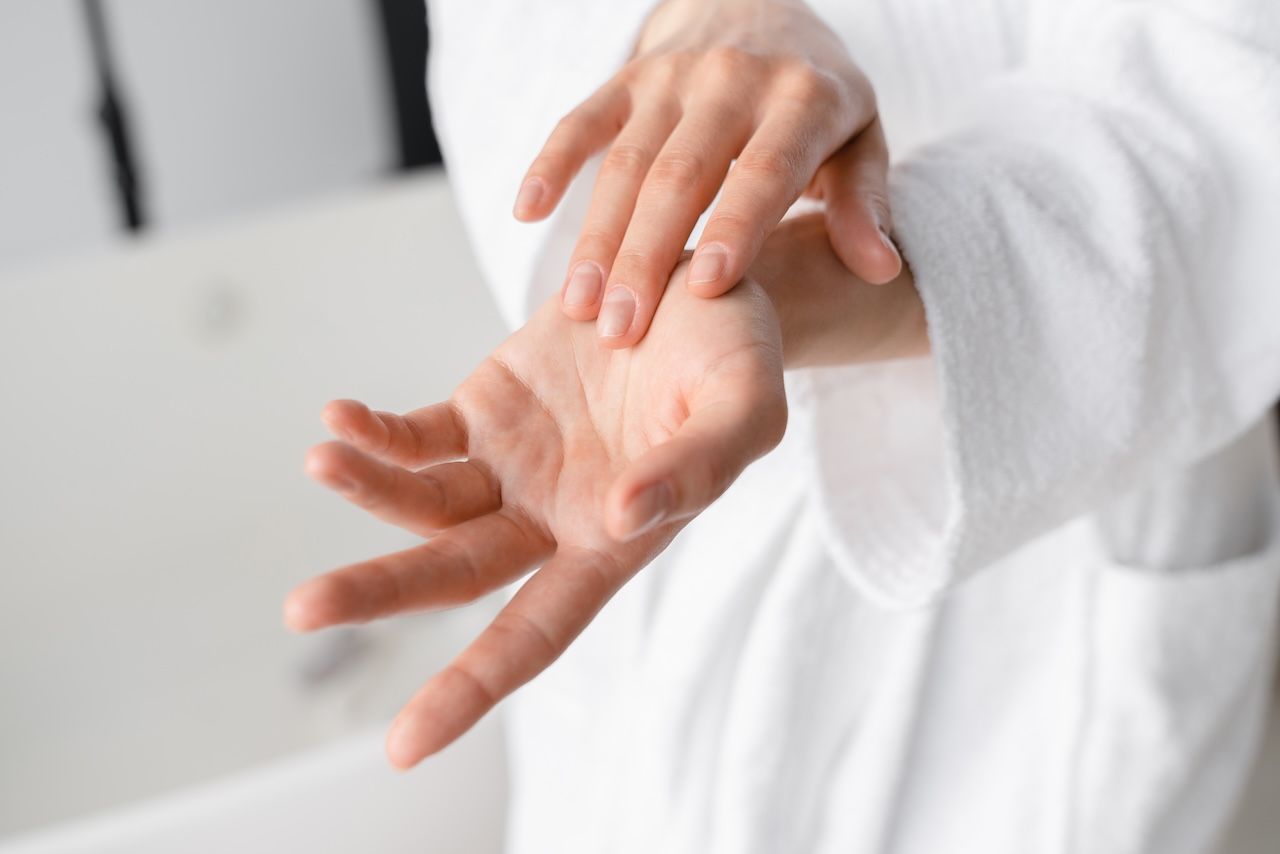

Dry skin is primarily a genetic skin type defined by a lack of sebum production. However, some people develop dry skin conditions like xerosis due to chronic illness, environmental factors, lifestyle or daily habits.
On the other hand, dehydrated skin is a temporary skin condition, not a type. It's caused by a lack of water in the skin, and it can happen to anyone, even those with oily and acne-prone skin.
This is a key point to remember: A client can have oily skin that's also dehydrated. This is one of the most common areas where mistakes occur, so learning to spot the difference is crucial.
HOW DRY SKIN PRESENTS IN THE TREATMENT ROOM
Identifying dry skin requires looking closely at oil production and texture. If your client truly has dry skin, you'll typically notice these signs during your consultation:
- Skin feels rough or flaky to the touch, particularly around the nose, cheeks and hairline
- No shine or oil anywhere on the face, even after cleansing
- Client reports sensitivity and tightness
- Skin may show more visible fine lines and a crepe-like texture due to long-term lack of sebum
- Often comes alongside conditions like eczema or psoriasis
HOW DEHYDRATED SKIN PRESENTS IN THE TREATMENT ROOM
Signs of dehydrated skin often mimic dryness, but the key difference lies in the behavior of the pores and oil glands. Look for these specific indicators:
- Skin feels tight but still shows shine, oil and breakouts in the T-zone
- Fine lines appear more pronounced, particularly around the eyes and mouth
- Skin looks dull and lacks the plumpness associated with well-hydrated skin
- The pinch test reveals dehydration: when gently pinched, the skin takes slightly longer to snap back
- Client reports their moisturizer "stopped working" or that their skin drinks up product immediately, but still feels tight within an hour
WHY DO AESTHETICIANS MISREAD THIS?
It's surprisingly easy to confuse the two when evaluating a new client under the magnifying lamp.
Clients often self-diagnose before arriving and steer the consultation in the wrong direction. If you’re not looking for proper oil production AND hydration during your analysis, and the client has their own opinion, you might miss signs that indicate dryness vs. dehydration. Seasonal shifts can also cause previously balanced skin to become dehydrated seemingly overnight.
Trust your own assessment as the expert rather than relying solely on an intake form, and adjust client routines with the changing seasons.
WHAT TO DO ABOUT DRY SKIN
Goal: Replenish and support oil production
- Support the lipid barrier with Squalane, ceramides and fatty acids included in our Daily Repair Cream and Barrier Repair Cream with Amino Acids
- Avoid harsh cleansers and over-exfoliation by utilizing gentle options like GlyMed+ Mega Cream Cleanser
- Provide vitality to depleted skin types with consistent use of rich, nourishing moisturizers, such as GlyMed+ Protective Skin Serum with Ceramides
WHAT TO DO ABOUT DEHYDRATED SKIN
Goal: Restore water content and prevent transepidermal water loss (TEWL)
- Use Ultra Hydro Gel to take advantage of 10 percent Hyaluronic Acid—an important ingredient for holding water in the skin
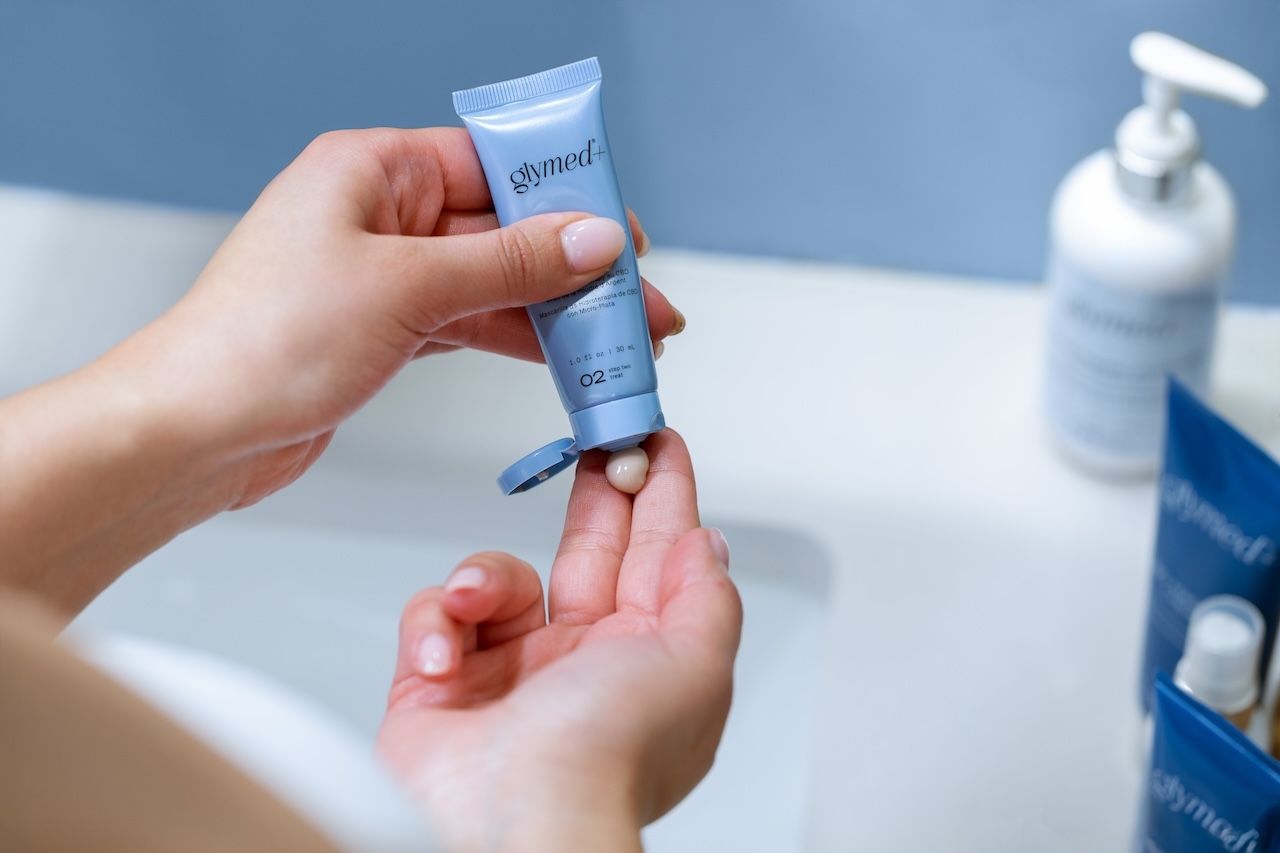
- Strengthen the skin barrier to lock in moisture with Niacinamide, found in CBD Hydratherapy Masque with Micro-Silver
- Layer a hydrating serum like our Revitalizing Essence with NAD+ under a moisturizer to retain water effectively
- Lifestyle factors matter immensely, so encourage clients to drink plenty of water and use a humidifier
ELEVATE YOUR PRACTICE AS A GLYMED+ PROFESSIONAL
Learning to recognize the vital difference between a lack of oil and a lack of water is just the beginning of your professional journey. Providing your clients with pharmaceutical-grade solutions ensures they see the lasting changes they desire.
By becoming a GlyMed Professional, you gain access to advanced clinical education, protocols and formulations designed to help you deliver more customized, corrective results. Join our community today to enhance your treatment outcomes with ongoing professional support and performance-driven skincare trusted by aestheticians worldwide.
FREQUENTLY ASKED QUESTIONS
CAN OILY SKIN BE DEHYDRATED?
Yes, oily skin can absolutely be dehydrated. Dehydration refers to a lack of water in the skin, while oiliness refers to an overproduction of sebum. Properly hydrating oily skin actually helps balance excessive oil production over time.
WHY DOES SKIN BECOME DEHYDRATED?

Skin becomes dehydrated when it loses more water than it takes in. This is often caused by external factors like harsh weather, indoor heating, hot showers and a lack of water intake. Identifying these lifestyle triggers allows you to restore proper hydration levels effectively.
CAN THE WRONG PRODUCTS CAUSE DEHYDRATION?
Yes, using stripping skincare products can easily cause dehydration. Harsh foaming cleansers and over-exfoliation strip away the protective barrier, which allows essential water to evaporate into the air. Switching to a gentle option like GlyMed+ Idyllic Cleanser with 3% Mandelic Acid prevents this moisture loss.
IS DEHYDRATED SKIN THE SAME AS A DAMAGED SKIN BARRIER?
No, dehydrated skin is not the same as a damaged barrier. Dehydration specifically means the skin lacks water, whereas a damaged barrier means the protective outer layer is compromised. Hydration is an important element of a healthy skin barrier, so they do frequently occur together since a damaged barrier can contribute to dehydration through transepidermal water loss (TEWL). This also means supporting the barrier will resolve both issues simultaneously.
BECOME A GLYMED+ PROFESSIONAL
Like this content? Thousands of licensed skincare professionals have discovered the benefits of becoming a GlyMed+ Pro. Now's the time to join an elite group of estheticians dedicated to providing the best skincare services using the most effective products.
Click below to begin your GlyMed+ partnership and take your skincare business to new heights!
Become a ProSUPPORTING SKINCARE PROFESSIONALS
All GlyMed+ products are sold through licensed professionals to ensure product integrity and proper skincare instruction. As you work with a GlyMed+ Professional, you’ll receive personalized skincare treatments and home care regimens to help you achieve your skin goals.
Contact Your Local GlyMed+ ProFOLLOW US @GLYMEDPLUS
STAY CONNECTED
Enter your email to get the latest news, tips and deals straight to your inbox