
HOW TO TELL IF YOUR CLIENT'S BREAKOUTS ARE GUT-RELATED

As an esthetician, you've likely seen it all when it comes to acne. Some clients' skin clears up with a consistent, well-chosen topical routine. But what about those clients who, despite following every step and using the right products, just can't seem to shake their breakouts?
If you're finding yourself at a dead end with your clients’ stubborn, persistent lesions, it might be time to consider that the problem isn't just skin deep. It could be gut health acne.
WHAT YOU NEED TO KNOW ABOUT THE GUT'S RELATION TO THE SKIN
Inside the digestive tract, there is an entire community of microorganisms known as the gut microbiome. This intricate ecosystem, composed of trillions of bacteria, fungi and viruses, is fundamental to overall health. Their most well-known functions are breaking down food and absorbing nutrients. However, a healthy microbiome is also instrumental in modulating immune responses, producing essential vitamins and maintaining the gut lining. Most importantly, it manages systemic inflammation—a key driver of many chronic skin conditions.
When this delicate balance is disrupted, a state known as dysbiosis, the intestinal barrier can weaken, allowing toxins to pass into the bloodstream and trigger inflammation throughout the body, which may then show up on the skin.
If you have clients who follow a perfect skincare routine but still struggle with persistent breakouts, this gut-skin connection might be the missing piece of the puzzle.
7 PATTERNS THAT SIGNAL GUT-DRIVEN BREAKOUTS
Certain visual and historical clues can help you identify when a client's skin issues stem from internal imbalances. Look out for these common patterns:
1. BREAKOUTS THAT DON'T RESPOND TO CONSISTENT TOPICAL TREATMENT
When a client follows a diligent home care routine but continues to experience new lesions, internal inflammation is often the driving force.
2. JAWLINE, CHIN AND LOWER-FACE ACNE
Breakouts concentrated in the lower third of the face are heavily linked to hormonal fluctuations, which are directly influenced by gut health.
3. CYCLICAL FLARES NOT TIED TO SKINCARE CHANGES
If your clients' breakouts seem to appear like clockwork each month, even when their skincare routine is consistent, it could be a sign that their digestive system is influencing their hormones and, in turn, their skin.
4. CO-OCCURRING DIGESTIVE SYMPTOMS
If your client mentions bloating, irregular bowel movements or general tummy troubles along with their skin issues, it's a strong clue that this is gut health acne.
5. HISTORY OF ANTIBIOTIC USE, ESPECIALLY LONG COURSES OR REPEATED COURSES
While antibiotics are great at fighting off bad bacteria, they don't always distinguish between the good and the bad, which can throw your system off balance. If a client mentions they've been on several courses of antibiotics, especially over a long period, it can be a helpful clue if they're also experiencing sudden skin flare-ups.
6. SKIN SENSITIVITY AND REACTIVITY THAT HAVE GOTTEN WORSE OVER TIME
If your client's skin seems to react to everything, including products it used to respond well to, it might be a sign that their gut health is affecting their skin's resilience. When the gut is compromised, the skin's natural barrier can weaken, making it more sensitive to active ingredients and everyday environmental stressors.
7. HIGH-STRESS LIFESTYLE WITHOUT OTHER RISK FACTORS


If you've noticed that stress is a constant in your client's life, it's worth considering how it might be affecting their skin. Even if they're doing everything else right (eating well, getting enough sleep), chronic stress can change bacteria populations and gut motility. This shift can lead to inflammation that shows up on their skin, even without other obvious causes.
CONSULTATION QUESTIONS THAT SURFACE GUT INVOLVEMENT
To get a clearer sense of what's happening on the inside, a good conversation is your most powerful tool. By weaving a few specific questions into your consultation, you can start to see the bigger picture of their overall health and how it might be connected to their skin or possible gut health acne.
- Do you experience any digestive issues like bloating, irregularity or food sensitivities?
- Have you been on antibiotics in the last two years? If so, for how long?
- Do you notice your breakouts flaring after certain foods?
- How would you rate your stress levels over the past few months?
- Have you ever worked with a functional medicine practitioner, nutritionist or gastroenterologist?
- Do your breakouts appear in cycles or do they seem random?
- Has your skin become more reactive or sensitive over time?
WHY DO TOPICAL-ONLY PROTOCOLS PLATEAU FOR THESE CLIENTS?
If you've ever felt like you're just spinning your wheels with topical treatments, you're not alone. When gut health-driven acne is at play, even the best skincare routine can feel like one step forward, two steps back. Think of it this way:
- Exfoliating can clear away dead skin cells, but if inflammation is coming from within, new breakouts will keep showing up.
- Antibacterial products can help with surface bacteria, but they can't address the internal environment that's encouraging breakouts in the first place.
- Barrier-supporting ingredients are wonderful for strengthening the skin and keeping it hydrated, but they won't switch off the systemic inflammation that's causing the issue.
Knowing this, the best way to support your clients is to be proactive and put your skincare knowledge to use. As a professional, you can adjust your care routine to fit your client's needs. If they need support for gut-related skin issues, you can find pharmaceutical-grade products to balance their body’s natural processes.
THE TREATMENT ROOM APPROACH FOR GUT-DRIVEN SKIN

When you suspect a gut health acne connection, your professional modalities need to shift from correction to gentle support.
PRIORITIZE ANTI-INFLAMMATORY AND BARRIER-SUPPORTING TREATMENTS OVER STRONG RESURFACING
Focus on soothing the skin and rebuilding its defenses rather than stripping it. Hydrating and calming ingredients will yield better results for inflamed tissue.
REDUCE THE FREQUENCY OR INTENSITY OF EXFOLIATING TREATMENTS
Inflamed, gut-driven skin doesn't tolerate advanced protocols well. Dial back the use of strong acids or mechanical exfoliation to prevent further irritation.
INCORPORATE CALMING MODALITIES
Use techniques like cool compresses, LED light therapy or soothing masques to visibly reduce redness and comfort the skin.
USE TREATMENTS THAT SUPPORT THE LYMPHATIC SYSTEM
Techniques like lymphatic drainage massage help move stagnant fluid and co-regulate inflammation, making them excellent additions to your service for clients with gut health acne.
HOME CARE RECOMMENDATIONS FOR STRESSED SKIN
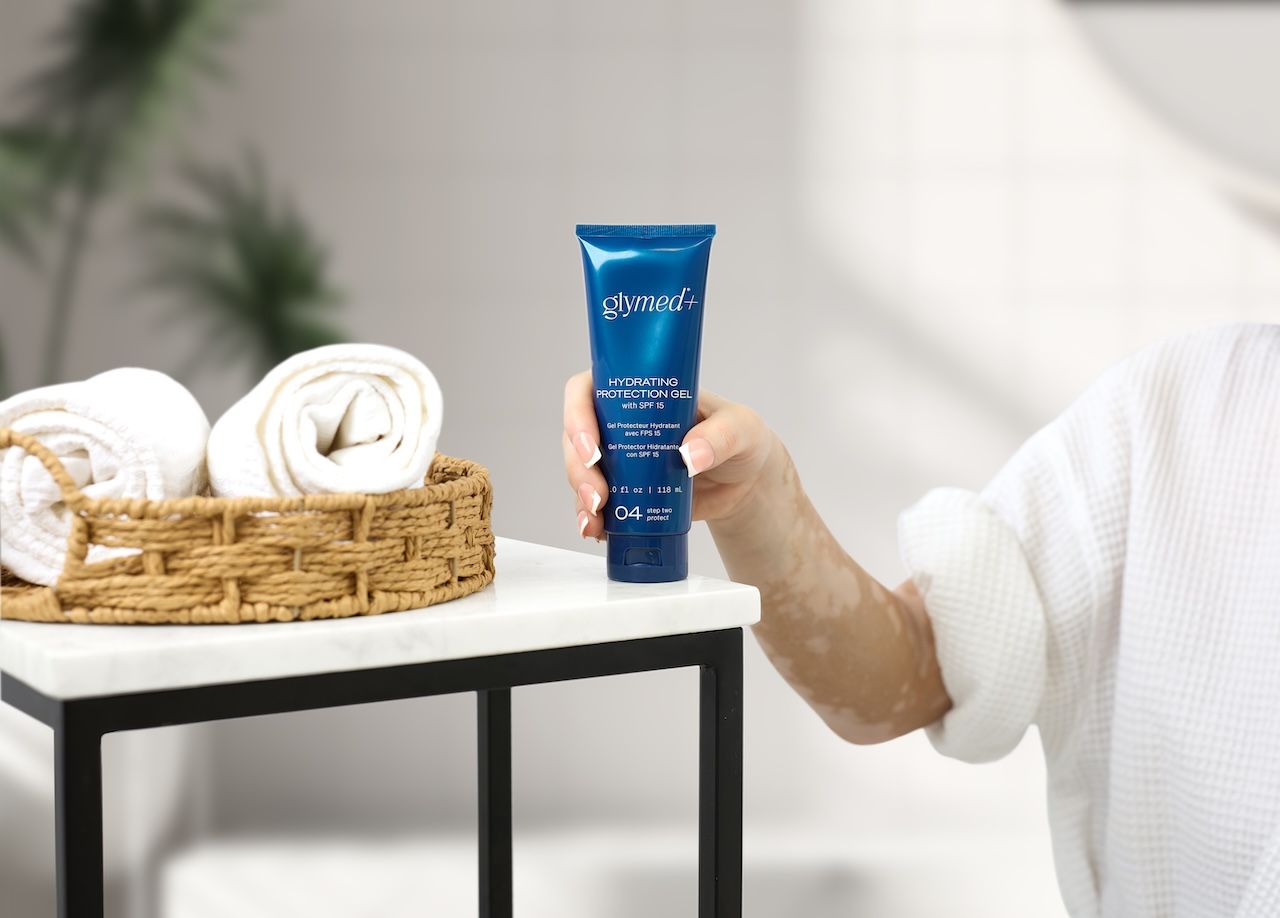
A client's daily routine should focus on calming inflammation and protecting the skin barrier. While they may need specialized products after a treatment room protocol, their daily acne routine should remain simple.
- Gentle, Barrier-Supportive Routine: Recommend Mega Cream Cleanser to dissolve debris without stripping the skin's natural lipids.
- Niacinamide and Ceramide-Based Products: Daily Repair Cream utilizes ceramides and antioxidants to support the barrier and lock in moisture, and Protective Skin Serum with Ceramides replenishes lipids to support the barrier repair function.
- Avoid Layering Multiple Active Ingredients: Keep the routine simple to prevent overwhelming reactive skin.
- Daily SPF: Suggest Hydrating Protection Gel with SPF 15 for lightweight, daily protection against environmental stressors.
FREQUENTLY ASKED QUESTIONS
WHY DOES SOME ACNE NOT RESPOND TO TOPICAL PRODUCTS?
Topical products only address surface-level symptoms; they don't address internal causes. When acne is driven by systemic inflammation or gut dysbiosis, the skin will continue to break out regardless of external care.
WHAT DOES INFLAMMATORY ACNE LOOK LIKE WHEN GUT HEALTH MAY BE INVOLVED?
Inflammatory acne presents as red, swollen and often tender blemishes such as papules, pustules or deeper cystic lesions. When these breakouts are persistent, flare alongside digestive symptoms, worsen during stress or stop responding to topical care, it may be worth exploring whether systemic inflammation or gut imbalance is contributing.
CAN STRESS AFFECT BOTH DIGESTION AND BREAKOUTS?
Yes, high stress levels directly disrupt the gut microbiome and increase hormone production. This internal shift triggers systemic inflammation that can cause stubborn breakouts on the face.
CAN I TELL A CLIENT THEY HAVE GUT HEALTH-RELATED ACNE?
Aestheticians cannot diagnose medical conditions, but you can educate clients on the gut-skin connection. You can gently point out patterns in their skin and suggest they explore internal factors with a qualified medical professional.
HOW LONG DOES IT TAKE FOR GUT WORK TO SHOW UP IN THE SKIN?
It typically takes several weeks to a few months for internal changes to visibly impact the complexion. The body needs time to lower systemic inflammation and balance its microbiome. Consistent healthy habits will eventually yield a calmer, clearer appearance.
GUIDE YOUR CLIENTS TO LASTING CLARITY
Understanding the connection between digestion and the skin empowers you to provide better, more comprehensive guidance in the treatment room. By adjusting your protocols, asking the right questions and recommending soothing GlyMed+ products, you can help your clients achieve the radiant complexion they deserve.
GlyMed+ prioritizes holistic, supportive care by providing professional formulations and well-renowned education. Sign up to become a GlyMed+ Professional today and gain a valuable resource to support your clients' wellness!
BECOME A GLYMED+ PROFESSIONAL
Like this content? Thousands of licensed skincare professionals have discovered the benefits of becoming a GlyMed+ Pro. Now's the time to join an elite group of estheticians dedicated to providing the best skincare services using the most effective products.
Click below to begin your GlyMed+ partnership and take your skincare business to new heights!
Become a ProSUPPORTING SKINCARE PROFESSIONALS
All GlyMed+ products are sold through licensed professionals to ensure product integrity and proper skincare instruction. As you work with a GlyMed+ Professional, you’ll receive personalized skincare treatments and home care regimens to help you achieve your skin goals.
Contact Your Local GlyMed+ ProFOLLOW US @GLYMEDPLUS
STAY CONNECTED
Enter your email to get the latest news, tips and deals straight to your inbox