
HOW TO IDENTIFY DIFFERENT TYPES OF ACNE LESIONS
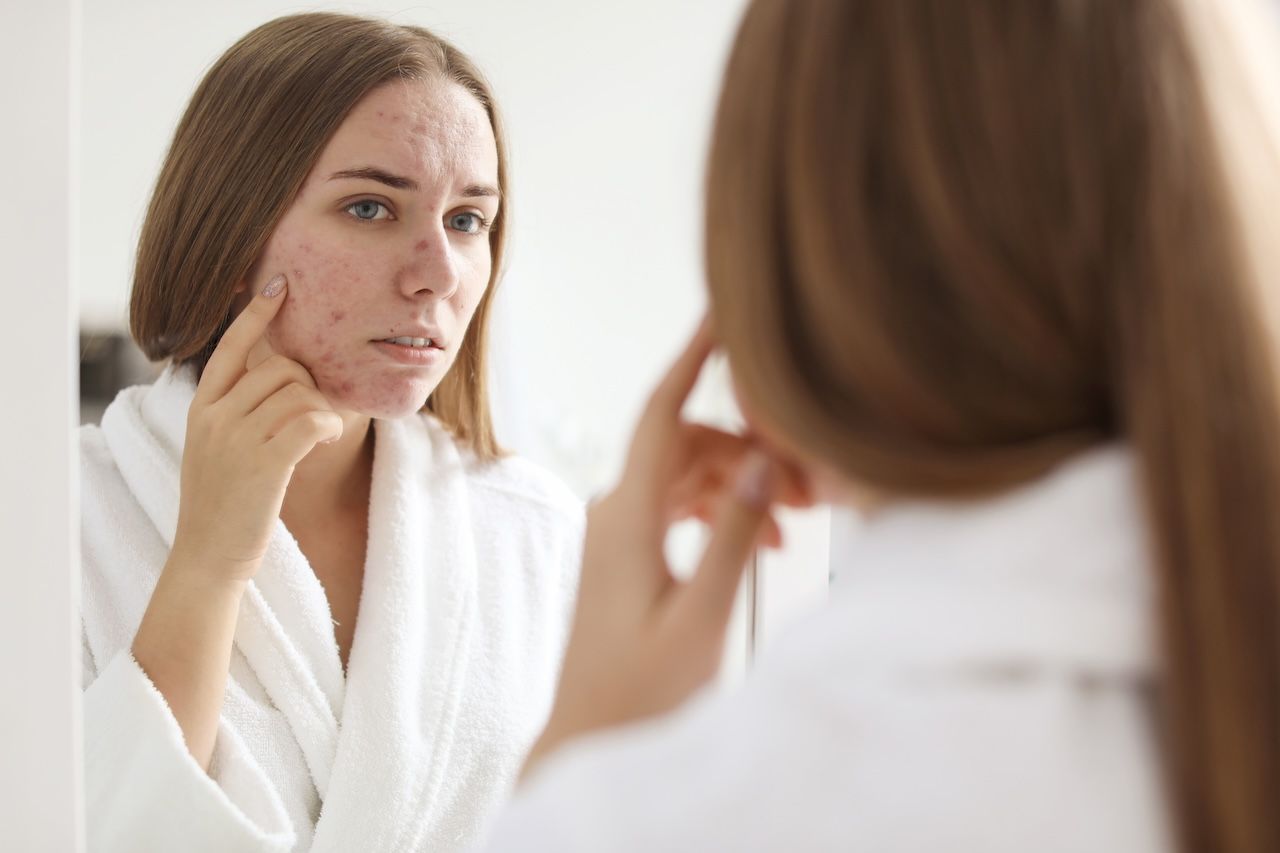
The first step to helping your clients achieve clear skin is learning to accurately identify their acne lesions. When you can confidently pinpoint the difference between the types of acne, you can create the perfect home care and in-clinic routines for long-term success!
The types of acne include non-inflammatory lesions, such as closed comedones and open comedones, and inflammatory lesions, such as papules, pustules, nodules and cysts. Each type looks and behaves differently, which is why accurate identification is essential for choosing the right skincare approach.
TYPES OF ACNE AT A GLANCE
Closed comedones: Small, flesh-colored bumps beneath the skin
Open comedones: Dark-centered blackheads caused by oxidation
Papules: Red, inflamed bumps without visible pus
Pustules: Inflamed bumps with a white or yellow center
Nodules: Deep, hard, painful lumps beneath the skin
Cysts: Soft, fluid-filled lesions with a high risk of scarring
WHY IS ACCURATE ACNE IDENTIFICATION SO COMPLEX?
At first glance, many types of acne can look alike. Things like room lighting, hidden inflammation and different skin types can change how a breakout appears. Redness and pigmentation also show up differently on fairer and darker skin, which can make a visual check even trickier.
On top of that, your clients will almost always have more than one type of lesion at the same time. This can make it difficult to figure out the main problem without a clear, step-by-step method. If you misidentify these lesions, it can lead to frustrating skincare setbacks for your client, like using the wrong products, seeing slower progress or even making their symptoms worse.
Don't worry, though; with a little practice, you'll learn to see the subtle differences between types of acne and feel confident in your assessments. Taking the time to get it right is a huge step toward helping your clients achieve the clear skin they're hoping for.
HOW TO IDENTIFY NON-INFLAMMATORY LESIONS IN PRACTICE
Non-inflammatory acne is the foundation of many breakouts and requires a specific assessment approach. Here's what to look for when examining your client.
CLOSED COMEDONES
Texture: These are early-stage lesions, and sometimes they’re easier to feel than to see. As you assess your client’s skin, you might notice an uneven, grainy or "bumpy" texture under your fingertips.
Appearance: Since there's no redness or tenderness, these little bumps can blend right into the surrounding skin. You might find them spread uniformly across areas like the forehead or jawline.
Progression: It's easy to underestimate them because they look so mild, but closed comedones are often the starting point for deeper acne concerns. Gentle, consistent targeting with a product like Exfoliating Cleanser with Salicylic Acid or Mattifying Sulfur Masque is key to managing them and preventing them from progressing.
OPEN COMEDONES
Texture: When you look at an open comedone, you'll see a dark, pinpoint center. This is where the blockage inside the pore is exposed to the air.
Appearance: Often mistaken for specks of dirt, these are actually blackheads. They aren't red or sore because there's no inflammation. This is a great opportunity to explain to your client that this color comes from oxidation, even though it may look like dirt.
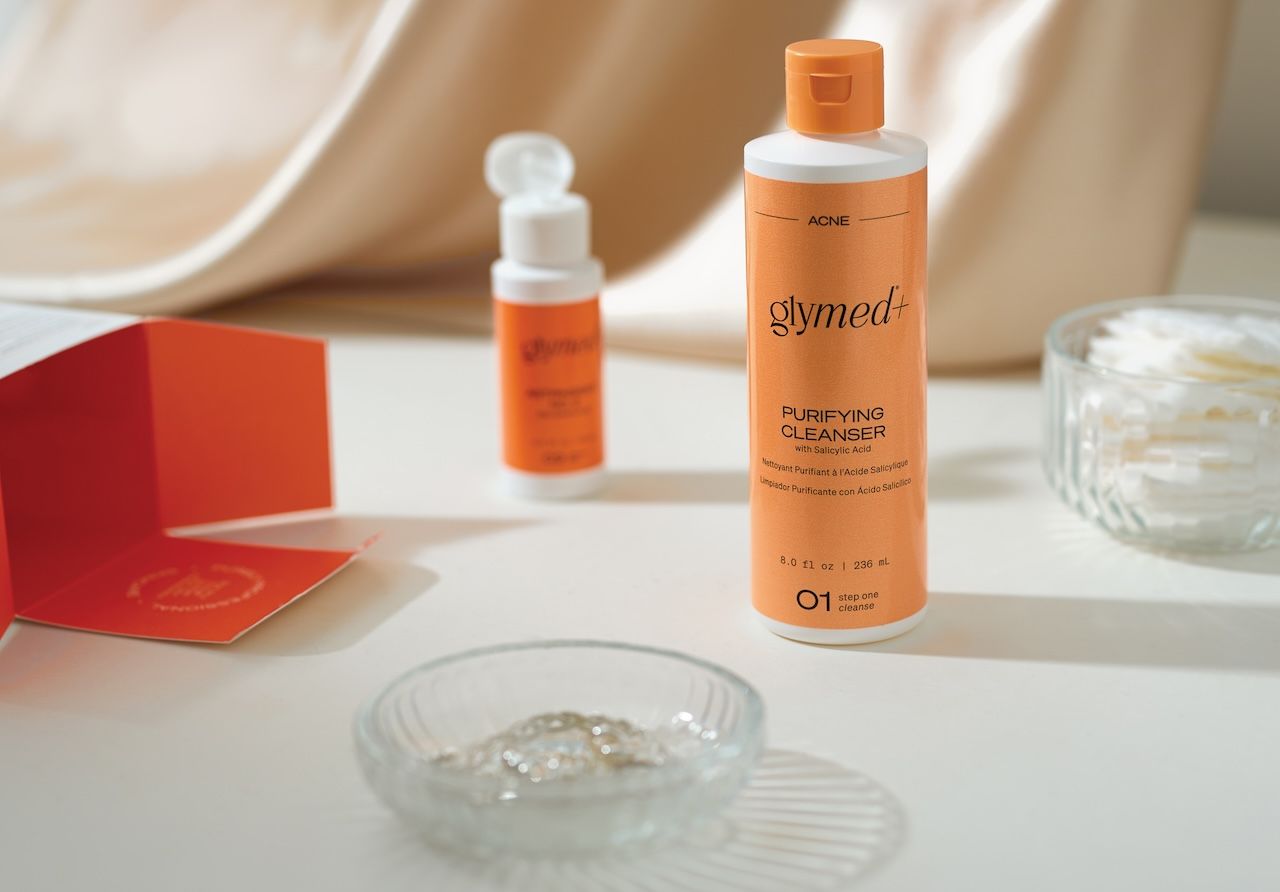
Progression: To help clear these, a targeted masque like GlyMed+ Oxygen Deep Pore Masque or a cleanser like Purifying Cleanser with Salicylic Acid are great choices. They both work gently to dissolve the blockage without being too aggressive with the skin.
HOW TO IDENTIFY INFLAMMATORY LESIONS IN PRACTICE
When the follicle wall breaks down, the body responds with inflammation, which creates distinct visible markers. Here's how to differentiate between the four primary inflammatory types of acne.
PAPULES
Texture: Papules feel like small, tender bumps that are firm and raised from the skin's surface.
Appearance: You’ll notice they're red and inflamed, often showing up in clusters on the cheeks, jawline or forehead. At this stage, you won't see any visible pus.
Progression: Papules can be easily mistaken for closed comedones at first glance. They represent the initial stage of an inflammatory breakout, right after the follicle wall has ruptured.
PUSTULES
Texture: Pustules are tender and feel like small, soft bumps on the surface of the skin.
Appearance: You'll recognize pustules by their distinct white or yellowish center, which is visible pus, surrounded by a red base. While they might look quite angry, they are actually a more surface-level type of breakout.
Progression: Pustules often develop from papules as your body's immune system continues to fight the infection. The good news is that because they're on the surface, they tend to improve more quickly than deeper lesions, especially with Blemish Control No. 5 with Benzoyl Peroxide, which oxygenates the pores.
NODULES
Texture: Nodules are hard, solid lumps that form deep beneath the skin. Unlike pustules, you won't feel a soft or liquid-filled center. They're usually quite sore if you press on them.
Appearance: Because they are so deep, nodules don’t have a visible "head" like a whitehead or pustule. You’ll just see and feel a large, inflamed bump under the skin.
Progression: These are stubborn breakouts. Since they are located deep within the dermis, they take much longer to resolve than surface-level spots and can sometimes linger for months. Skin Resurfacing Lotion with Resorcinol is a great option to accelerate desquamation and kill acne-causing bacteria.
CYSTS
Texture: Cysts feel like soft, fluid-filled sacs under the skin. Unlike firm nodules, they're squishy and may move a little if you press on them gently. They are often very painful to the touch.
Appearance: Similar to nodules, cysts are large, severely inflamed bumps deep beneath the skin’s surface, so they don’t have a visible head.
Progression: Cysts are considered a severe form of acne and can be very stubborn, often lasting for weeks. Because of the intense inflammation, they have the highest risk of scarring. Once a client has recovered from a cyst, you might notice some lingering discoloration, but don’t worry! Our Retinol Rejuvenation Serum can help the skin recover and even out its tone.
THE ESSENTIAL ROLE OF TOUCH AND WHY PALPATION MATTERS
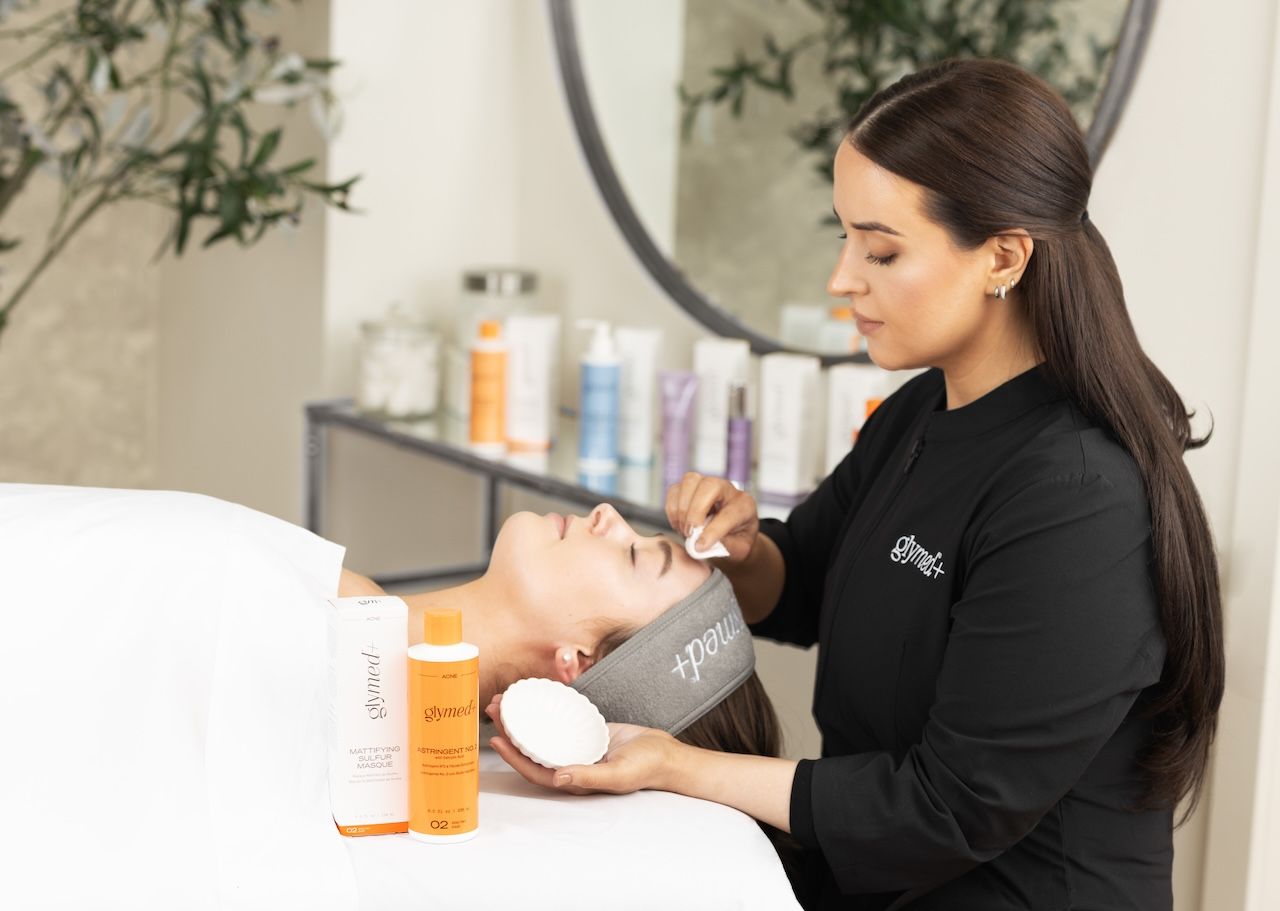
When you're looking at a client's skin, a quick glance usually isn't enough to get the full picture of the types of acne. You need to perform a physical assessment. By gently feeling the skin, you can learn so much more about a breakout, like how firm, deep or tender it is. This simple step helps you understand if you're dealing with a lesion that’s on the surface or much deeper.
HOW TO MANAGE A COMBINATION OF ACNE LESIONS
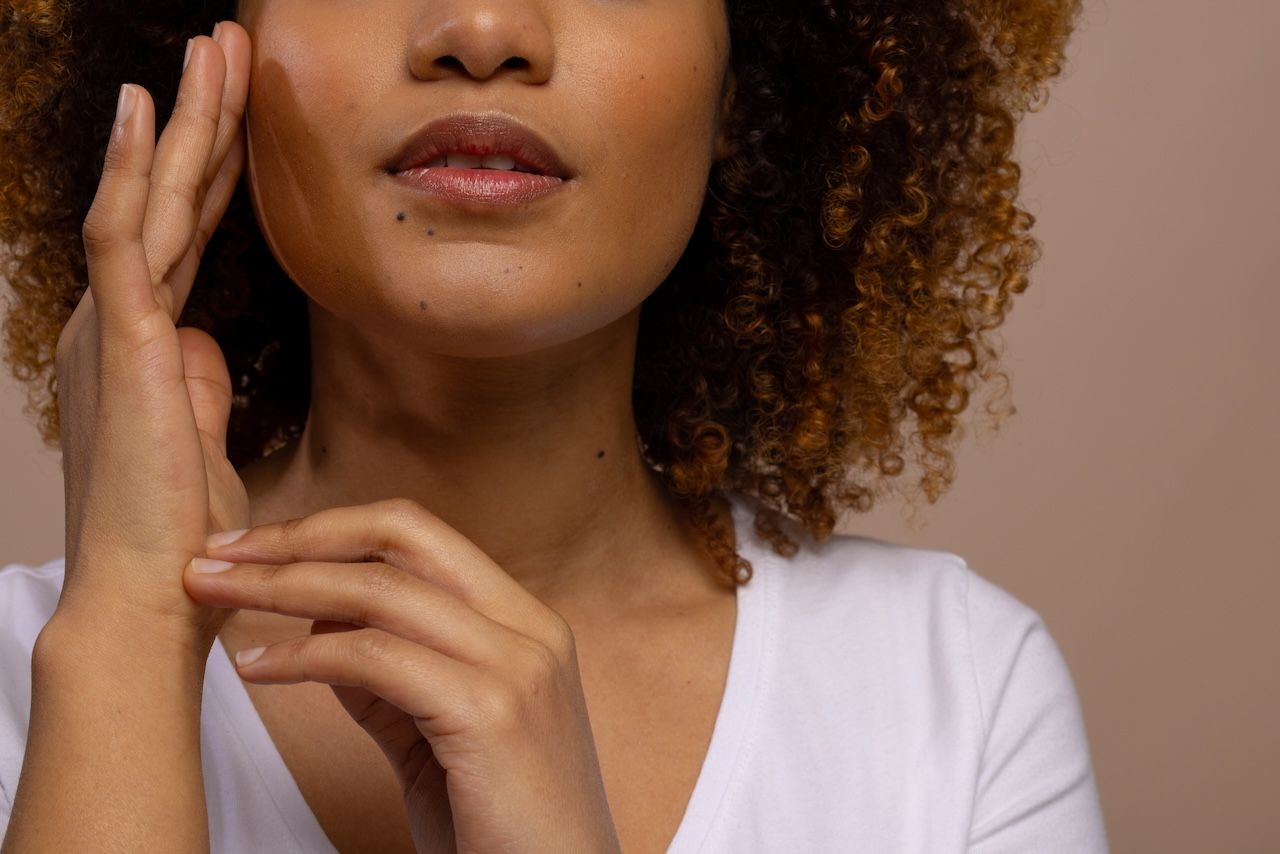
If a client comes to you with different types of acne, the first thing you'll want to do is figure out which type is most prominent. This will help you create a balanced skincare plan that addresses their most pressing concerns first.
Remember, the golden rule of managing acne is to always start by reducing inflammation. Once the skin is calm, you can move on without causing extra irritation.
UNDERSTANDING TYPES OF ACNE FOR BETTER RESULTS
Each type of acne requires a slightly different assessment approach. Recognizing the difference between comedones, papules, pustules, nodules and cysts allows you to build more effective routines and support better long-term outcomes for your clients.
HELP YOUR CLIENTS ACHIEVE LASTING CLARITY WITH GLYMED+
If you're ready to deepen your understanding of acne and help your clients find lasting relief, take the next step and register as a GlyMed+ Professional. You’ll gain access to our professional-grade formulas and the advanced education you need to confidently control even the most complex skin concerns. Let's work together to transform your clients' skin!
FREQUENTLY ASKED QUESTIONS
WHAT ARE THE MAIN TYPES OF ACNE LESIONS?
The main types of acne lesions include closed comedones, open comedones, papules, pustules, nodules and cysts. Each type requires a slightly different approach to care and treatment.
WHY DOES SOME ACNE FEEL SO MUCH DEEPER THAN IT LOOKS?
Inflammation often starts deep inside the follicle. Even if you only see a little redness on the surface, the real problem might be much further down.
DOES LIGHTING MAKE A DIFFERENCE WHEN I'M LOOKING AT ACNE?
Yes, it makes a huge difference! If your lighting is too harsh or too dim, it can be easy to miss the subtle signs between types of acne, like the redness of a papule or the dark center of a blackhead. Always try to assess your client's skin under bright, even light, and use a magnifying lamp if you can.
HOW CAN I PREDICT IF A LESION WILL GET INFLAMED?
Keep an eye on closed comedones (whiteheads). If they start to feel tender or look like the skin is getting tight around them, that's a good sign they're about to become inflamed. It also really helps to talk with your client about their skin's history.
SHOULD I CHANGE MY TREATMENT PLAN BASED ON THE TYPE OF LESION?
Absolutely! This is where you can really shine as a professional. Knowing the exact type of lesion tells you what to do next. For comedones, you'll want to focus on gentle exfoliation. For deep, painful cysts, you'll need to bring in powerful soothing ingredients. Customizing your approach is the key to getting great results.
HOW SHOULD I TREAT DIFFERENT TYPES OF ACNE AT ONCE?
Identify the most prominent type of acne and reduce any inflammation first. Use a gentle, non-stripping cleanser and other soothing products to reduce irritation. Once the skin is calm, you can gradually introduce targeted treatments for other acne types (such as comedones) more effectively without worsening symptoms.
BECOME A GLYMED+ PROFESSIONAL
Like this content? Thousands of licensed skincare professionals have discovered the benefits of becoming a GlyMed+ Pro. Now's the time to join an elite group of estheticians dedicated to providing the best skincare services using the most effective products.
Click below to begin your GlyMed+ partnership and take your skincare business to new heights!
Become a ProSUPPORTING SKINCARE PROFESSIONALS
All GlyMed+ products are sold through licensed professionals to ensure product integrity and proper skincare instruction. As you work with a GlyMed+ Professional, you’ll receive personalized skincare treatments and home care regimens to help you achieve your skin goals.
Contact Your Local GlyMed+ ProFOLLOW US @GLYMEDPLUS
STAY CONNECTED
Enter your email to get the latest news, tips and deals straight to your inbox