
WHEN TO CHOOSE MICRONEEDLING VS CHEMICAL PEELS FOR CLIENTS
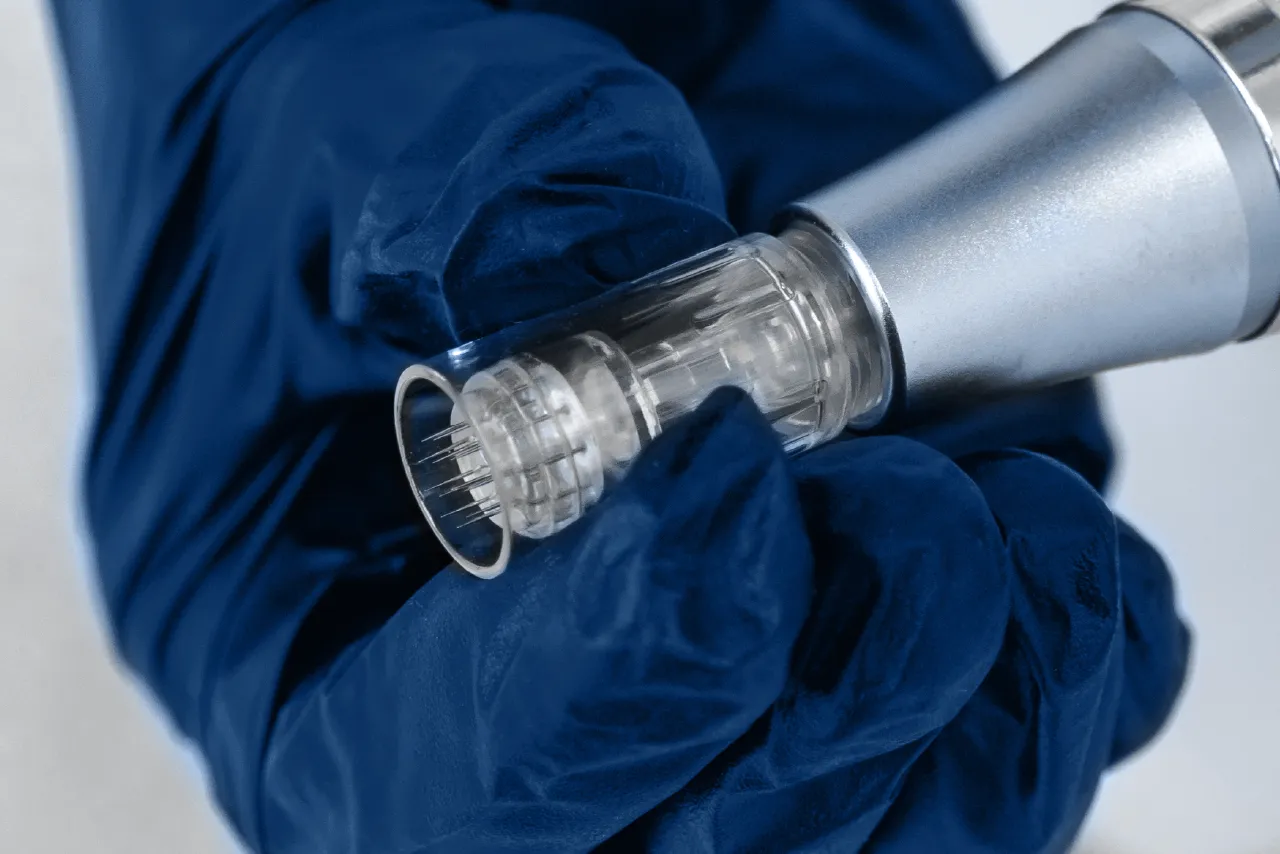
Your client wants to book a professional treatment, but they don't know how to choose between microneedling versus chemical peels. As a skincare professional, it's important to understand the differences between these two popular treatments and know when to recommend one over the other. This guide aims to deepen your knowledge and help you make the best recommendations for your clientele.
A QUICK GUIDE TO MICRONEEDLING
Microneedling, also known as collagen induction therapy (CIT), is a minimally invasive treatment that uses a device equipped with fine needles to create controlled micro-injuries on the skin's surface. These micro-injuries trigger the skin’s natural recovery process by stimulating inflammation, which releases growth factors, increased collagen and elastin production and skin remodeling.
Over time, this results in:
- Enhanced collagen and elastin production
- Improved fine lines and wrinkles
- Smoothed acne scars and refined uneven texture
- Decreased sun damage and hyperpigmentation
- Revival of dull or tired skin
RESULTS AND RECOVERY
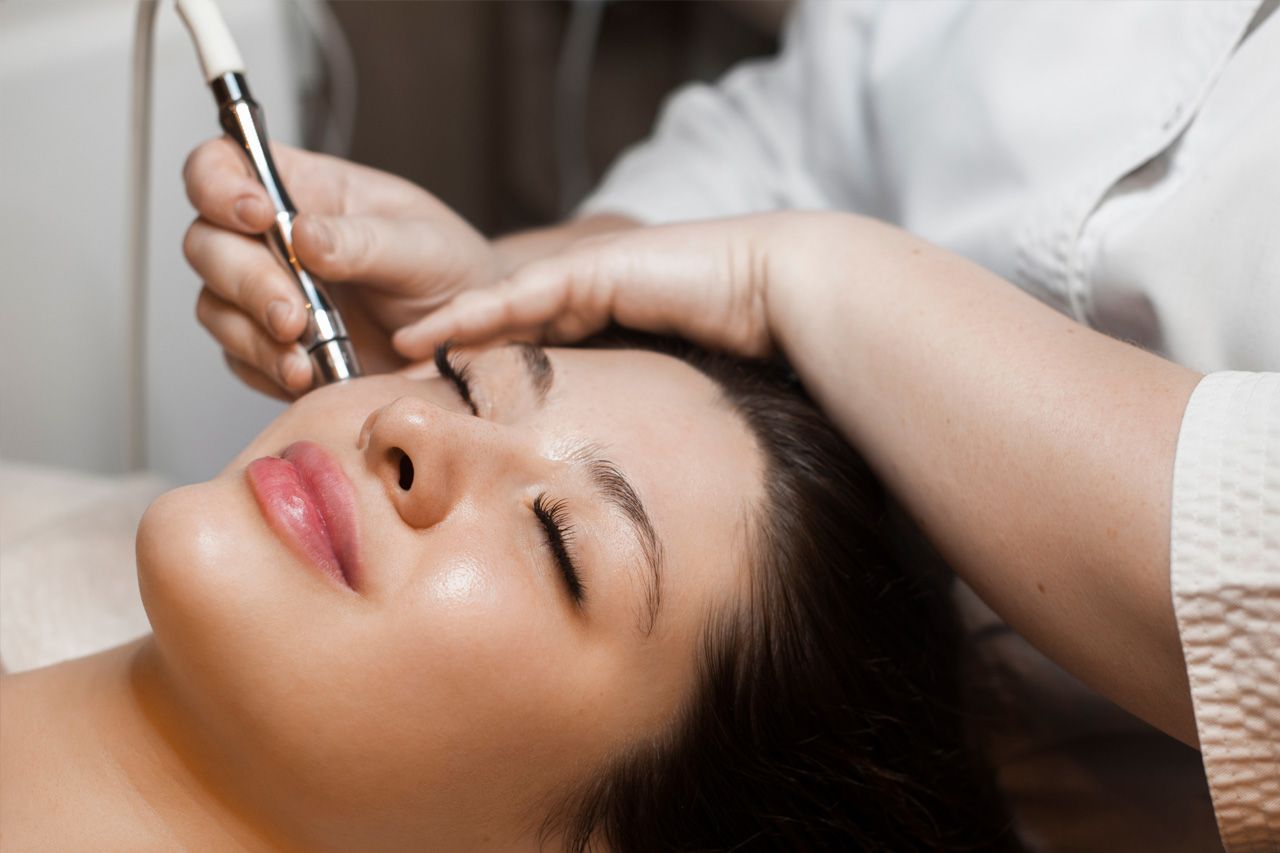

Microneedling is versatile and suitable for a broad range of skin concerns, with minimal downtime, making it a popular choice for many professionals.
Most clients notice visible improvements in their skin's texture and tone within just a few weeks. After treatment, it’s common to experience some light redness, similar to a mild sunburn, for a day or two.
A QUICK GUIDE TO CHEMICAL PEELS
Chemical peels use solutions formulated with acids (like Glycolic, Salicylic or Lactic Acid) to exfoliate the skin, improve texture and address various skin concerns. They gently remove layers of dead skin, unclog pores and stimulate cellular regeneration at different depths, depending on the peel's strength. This promotes healthy, refreshed skin from the inside out and offers benefits such as:
- Improved texture and tone
- Reduced hyperpigmentation and melasma
- Less active breakouts
- Diminished sun damage and superficial lines
- Brightened and refreshed skin

RESULTS AND RECOVERY
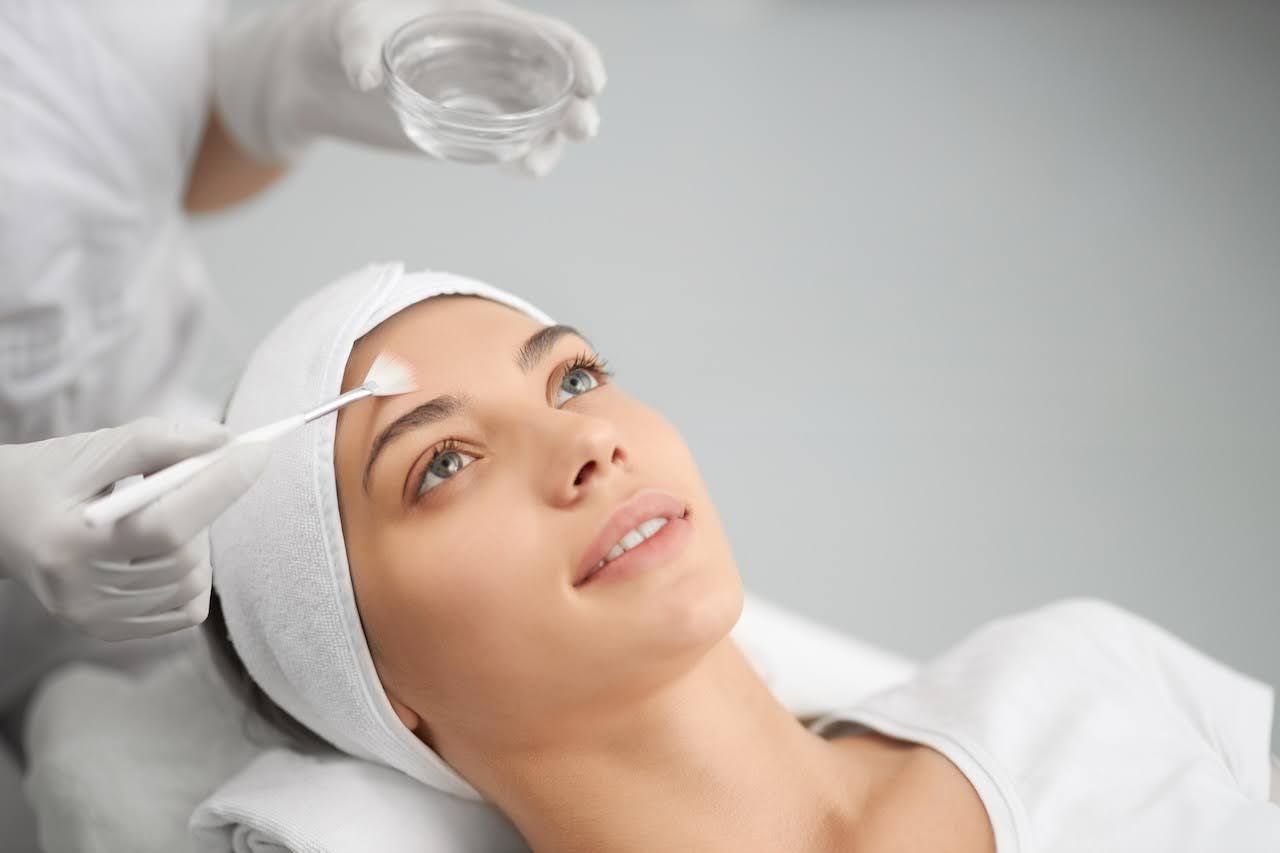
Chemical peels offer immense flexibility with multiple formulations and strengths, allowing tailored treatments for specific client concerns. The results and recovery time depend on the depth of the peel:
- Very Superficial Peels: Minimal downtime for clients needing mild exfoliation.
- Superficial Peels: Light peeling with 1 – 3 days of downtime; effective for mild pigmentation and fine lines.
- Medium Depth Peels: More extensive desquamation with deeper penetration, requiring 7– 14 days of recovery.
MICRONEEDLING OR CHEMICAL PEELS? INDICATIONS FOR EACH TREATMENT
Between microneedling vs chemical peels, which one should you choose for your client's skin concerns? Let's discuss the indications for each treatment to help you make an informed decision.
MICRONEEDLING IS IDEAL FOR CLIENTS WITH:
- Acne scarring (atrophic/pitted scars)
- Fine lines and initial laxity
- Enlarged pores and irregular texture
- Minimal pigmentation concerns
By stimulating collagen production, microneedling helps smooth out pitted areas and fine lines, providing a more even and youthful appearance. It also improves skin texture and reduces pore size by promoting healthy cell turnover.
Unlike some treatments, microneedling has minimal impact on pigment, making it a safe option for uneven skin tone without the risk of discoloration. This combination of benefits makes microneedling an effective, long-lasting solution for improving the skin's structure and overall look.
CHEMICAL PEELS IS IDEAL FOR CLIENTS WITH:

- Hyperpigmentation and melasma
- Dull and uneven skin tone
- Active breakouts (in specific cases)
- Sun damage and superficial lines
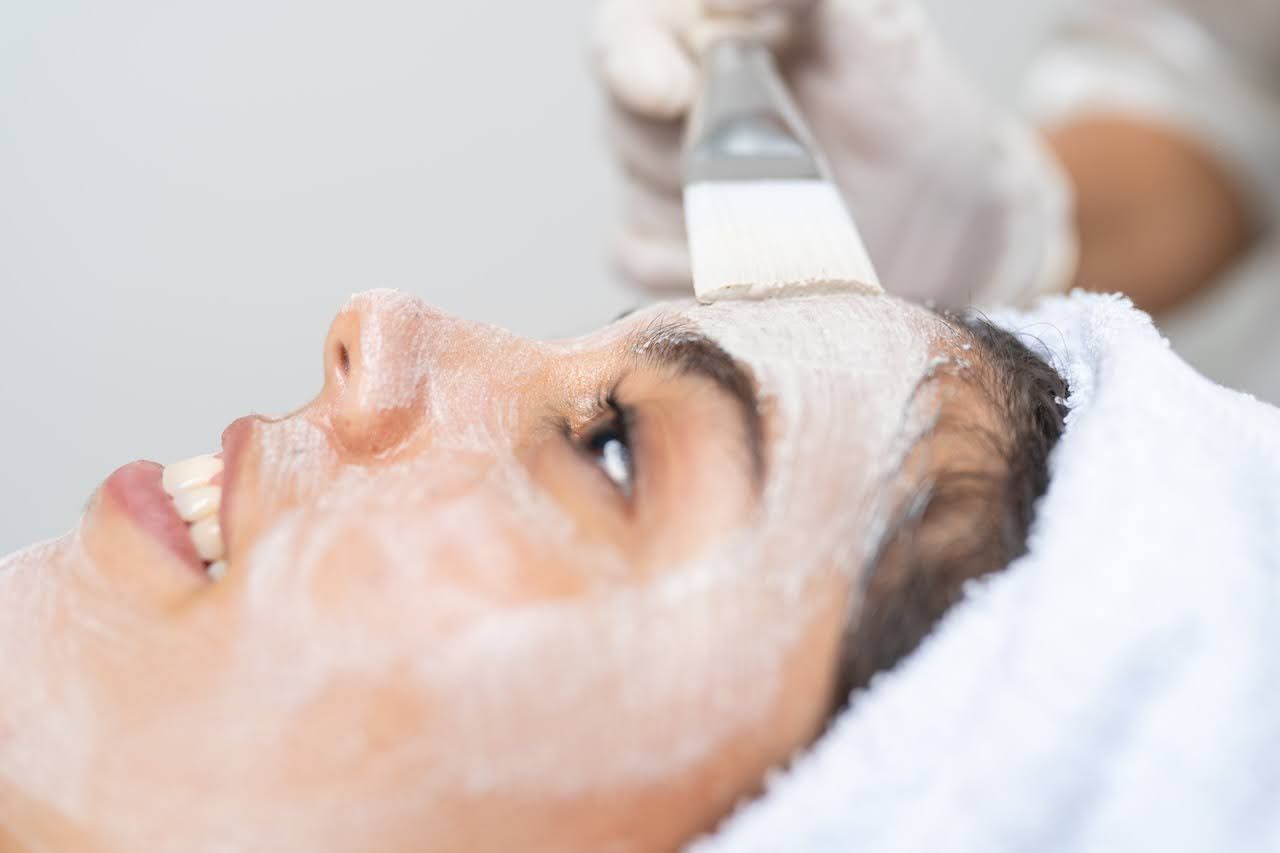
Chemical peels cause controlled damage to the top layers of the skin. This solution breaks down the bonds that hold the dead skin cells together, exfoliating the surface layers that often contain excess pigment or damage. As these layers peel away over the following days, they reveal fresher, smoother and more even-toned skin beneath.
With the right type of peel and post-care routine, chemical peels can also improve the appearance of superficial lines.
CLIENT CONSIDERATIONS TO GUIDE YOUR RECOMMENDATION
When determining the most appropriate treatment plan between microneedling vs chemical peels, it’s essential to carefully consider critical client-specific factors. Keep the following key points in mind:
1. SKIN TYPE AND FITZPATRICK TYPE
Fitzpatrick Skin Types IV – VI have an increased risk of post-inflammatory hyperpigmentation (PIH) from advanced procedures. Chemical peels with gentler acids (e.g., Mandelic or Lactic Acid) are often safer for these skin types. Microneedling can also be tailored to darker skin tones to minimize risks.
2. SKIN SENSITIVITY AND BARRIER HEALTH
Both treatments require a healthy skin barrier. For clients with compromised barriers or high sensitivity, recommend preparatory skincare products and gentler treatments to rebuild barrier function before proceeding.
3. DOWNTIME AND LIFESTYLE
Clients seeking minimal downtime may not be prepared for the recovery period of these treatments, which can last up to a week or more. It's important to discuss downtime expectations and lifestyle limitations, such as avoiding sun exposure and strenuous exercise, with clients before proceeding with the treatment.
CAN MICRONEEDLING AND CHEMICAL PEELS BE COMBINED?
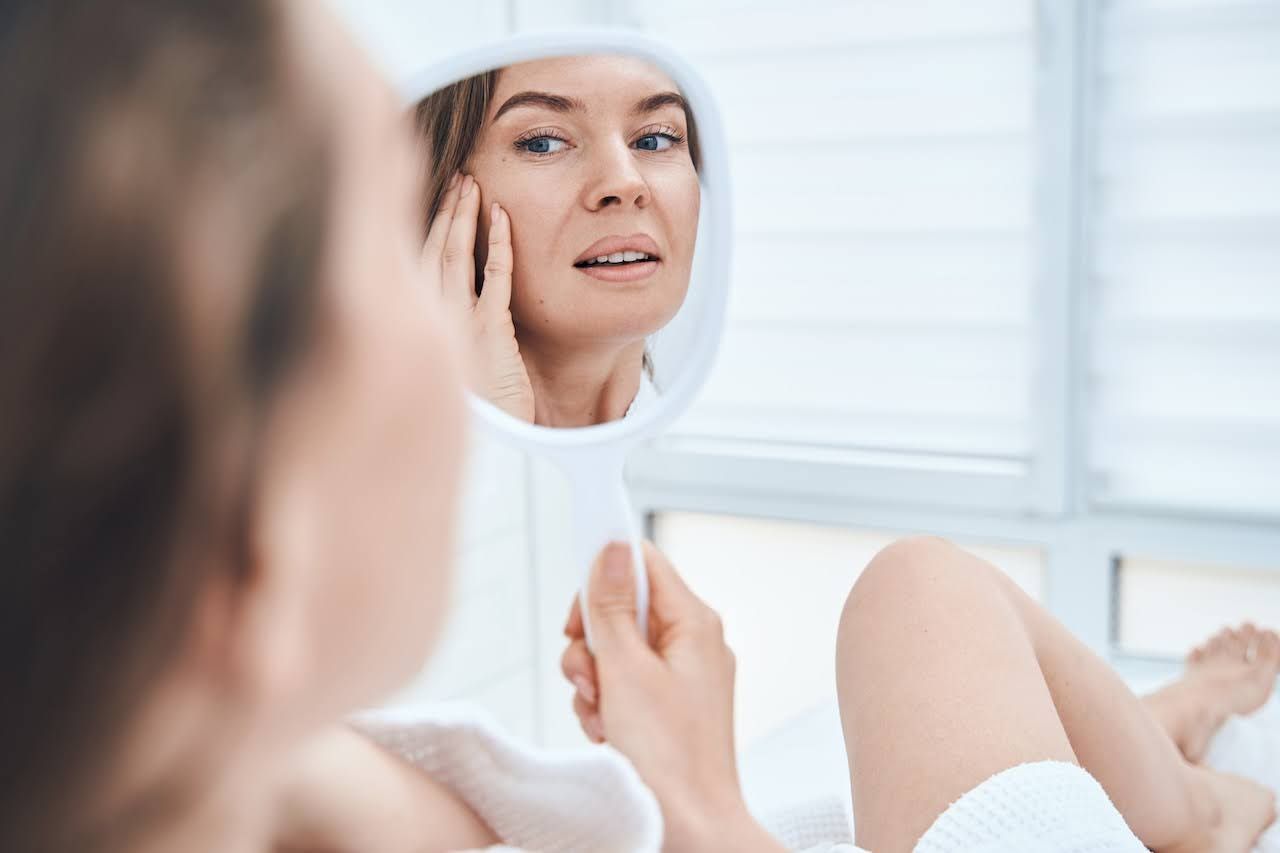

Alternating or layering these treatments can offer a synergistic effect. However, this approach requires careful planning and adherence to state and regulatory guidelines. Always operate within the parameters of your licensure.
HOW TO ALTERNATE TREATMENTS
For optimal results, space treatments apart to allow proper skin recovery. Alternate microneedling and chemical peels every 4 – 6 weeks, depending on the client’s skin condition and goals.
HOW TO LAYER TREATMENTS
Layering treatments requires expertise and planning. This practice is typically reserved for advanced skincare professionals. For example, a low-strength chemical peel could be used to prep the skin before a microneedling treatment. However, it's important to note that not all treatments can be layered, and it's important to understand the ingredients and potential reactions before attempting to layer treatments.
HELP YOUR CLIENTS ACHIEVE RADIANT SKIN
Knowing when to recommend microneedling vs chemical peels empowers you to offer personalized, effective skincare solutions. Each treatment has its strengths, catering to specific concerns and goals. Proper client assessment and comprehensive treatment planning will maximize results and client satisfaction.
Want to take your skincare expertise to the next level? Become a GlyMed Pro to explore our professional resources, get access to advanced education and refine your techniques. Our pharmaceutical-grade product line and innovative treatments are backed by science, research and results. Join our community of professionals today!
BECOME A GLYMED+ PROFESSIONAL
Like this content? Thousands of licensed skincare professionals have discovered the benefits of becoming a GlyMed+ Pro. Now's the time to join an elite group of estheticians dedicated to providing the best skincare services using the most effective products.
Click below to begin your GlyMed+ partnership and take your skincare business to new heights!
Become a ProSUPPORTING SKINCARE PROFESSIONALS
All GlyMed+ products are sold through licensed professionals to ensure product integrity and proper skincare instruction. As you work with a GlyMed+ Professional, you’ll receive personalized skincare treatments and home care regimens to help you achieve your skin goals.
Contact Your Local GlyMed+ ProFOLLOW US @GLYMEDPLUS
STAY CONNECTED
Enter your email to get the latest news, tips and deals straight to your inbox