
WHEN TO USE CHEMICAL PEELS VS. ENZYMES
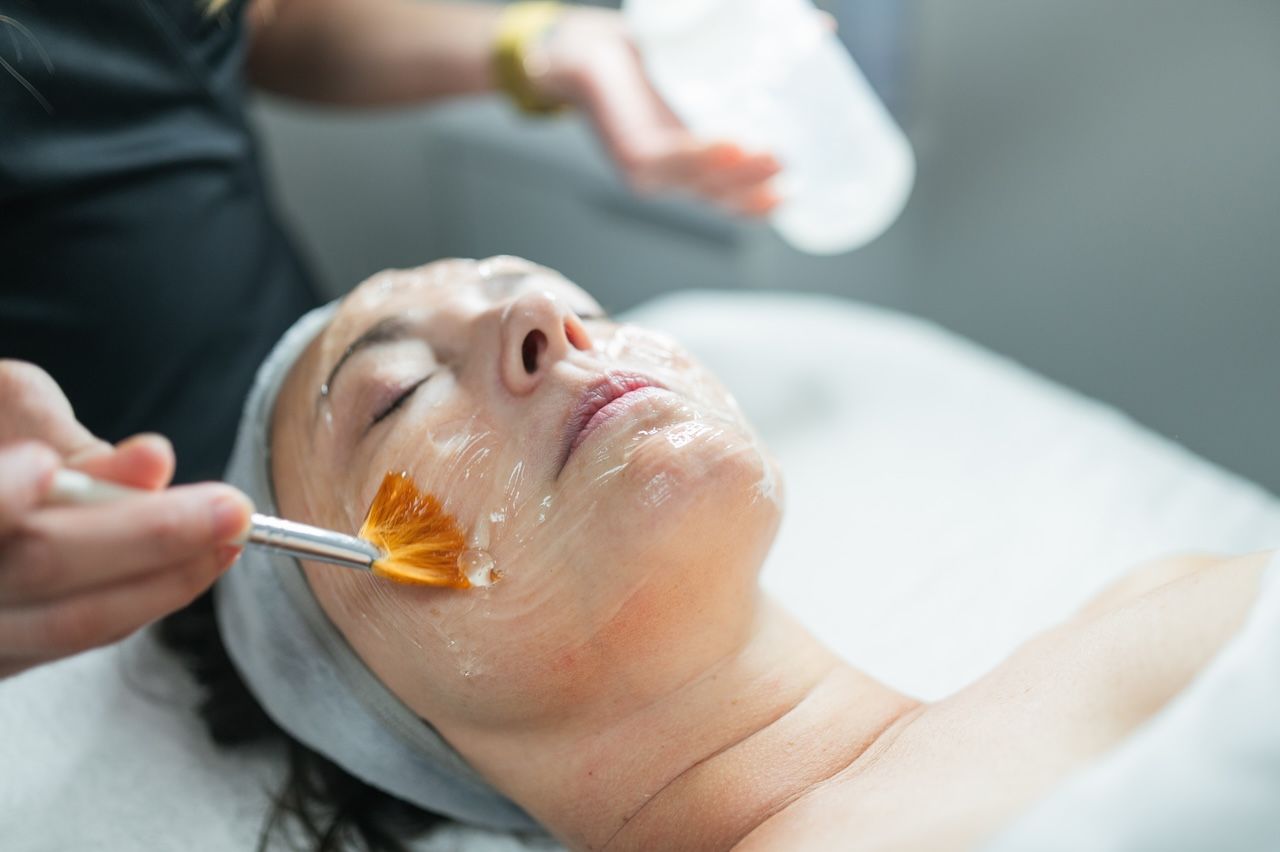
Professional skincare is so much more than supporting beautiful skin. Creating real, lasting success means understanding how to trigger the right biological functions to support skin health from within.
Exfoliation is a perfect example of this. The method you choose should always be based on its specific mechanism of action, your client's current skin condition and their ultimate goals. Learn when to use chemical peels vs. enzyme exfoliation so you can effectively address clients’ skin concerns and run a successful practice.
THE BIOLOGY OF EXFOLIATION
To your client, exfoliation is a way to remove dead, flaky skin. To you, the aesthetician, it's a controlled manipulation of desquamation. At a cellular level, you're essentially signaling the skin to accelerate its natural turnover rate for a beautiful result.
But not all exfoliation methods are created equal, and the way you deliver this treatment matters more than you might think. The delivery method directly impacts how the skin functions and communicates. Instead of focusing solely on the treatment's intensity or strength, what if you prioritize its mechanism of action?
By understanding the difference between chemical peels and enzyme exfoliation, you can customize your treatments to target specific concerns while keeping your client's skin barrier strong and healthy.
THE SCIENCE OF CHEMICAL PEELS
Chemical peels lower the pH of the skin to dissolve the desmosomes, or the intercellular bonds holding keratinocytes together. The dissolution of the bonds allows dead skin cells to shed, which also stimulates regenerative processes in the basal layer.
MECHANISM OF ACTION
When applied, the acids in chemical peels penetrate the stratum corneum and, depending on the agent, can reach deeper into the epidermis. The controlled injury signals a wound, which stimulates fibroblast activity and collagen production—revealing fresh, healthy new skin tissue for your clients!
COMMON PROFESSIONAL ACIDS
- Alpha Hydroxy Acids (AHAs): Water-soluble acids like Glycolic Acid and Lactic Acid are excellent for resurfacing. The smaller Glycolic Acid penetrates quickly, while Lactic Acid offers hydration alongside exfoliation.
- Beta Hydroxy Acids: Salicylic Acid is lipophilic, meaning it penetrates the sebaceous follicle to dissolve oil and debris.
- TCA (Trichloroacetic Acid): A versatile agent used to correct texture, scarring and advanced pigmentation issues by coagulating proteins in the skin.
DEPTH VS. FORMULATION
A common misconception is that the depth of a peel heavily relies on the acid concentration or percentage. However, percentage is not the only factor at play. The pH of the formulation, whether the peel is layered or timed and the pre-treatment preparation all determine the depth of a peel.
THE BENEFITS OF CHEMICAL PEELS
When executed correctly, chemical peels offer transformative results for aging, acneic and hyperpigmented skin. You can offer these amazing changes to your clients:
- Visible Resurfacing: By effectively detaching dead cells, peels reveal fresher skin immediately.
- Enhanced Clarity and Texture Refinement: Regular use will clear impactions and smooth the skin's surface.
- Supports Correction-Focused Protocols: Peels are essential for stimulating the cellular turnover needed to correct more serious damage.
WHEN TO CHOOSE CHEMICAL PEELS
Use chemical peels for skin that requires structural change and clients with a healthy enough barrier to tolerate the pH shift.
- Ideal Skin Conditions: Congestion, deep texture irregularities, acne vulgaris and visible discoloration concerns
- Client Profiles: Clients seeking advanced correction who are compliant with home care and daily SPF use
- Protocol Placement: Series-based treatments (e.g., a series of six) or as part of advanced corrective programs once the skin is acclimated
THE SCIENCE OF ENZYME EXFOLIATION
Unlike acids that dissolve the bonds between cells, enzymes digest the keratin protein within the dead cells themselves. They are proteolytic, meaning they selectively digest dead tissue while leaving live, healthy tissue untouched.
MECHANISM OF ACTION
Enzymes eliminate dead skin cells, waste and excess secretions found on the surface of the corneous layer. They facilitate deep cleansing of the follicular ostium (pore opening) by digesting the debris that's trapping oil and bacteria. Since they stop once they've digested all dead skin, they're inherently self-limiting and rarely cause over-exfoliation.
COMMON PROFESSIONAL ENZYMES

- Papain: This Papaya-derived botanical is very effective for general protein digestion.
- Bromelain: This enzyme is sourced from pineapple and also has incredible anti-inflammatory properties.
- Pumpkin Enzymes: These are often used in formulations like our Professional Pumpkin Exfoliator to provide antioxidant support alongside exfoliation.
- Protease: This enzyme is derived from the Mucor Miehei Mushroom and offers gentle yet effective exfoliation.
THE BENEFITS OF ENZYME EXFOLIATION
Enzymes provide a sophisticated alternative for skin that cannot tolerate the inflammatory response of acids.
- Surface Refinement Without Aggression: Smooths the skin without lowering the pH drastically
- Suitable for Compromised States: Safe for reactive, sensitive or barrier-impaired skin
- Supports Luminosity: Removes the dull, gray layer of dead skin cells to immediately brighten the complexion
WHEN TO CHOOSE ENZYME EXFOLIATION
Enzymes are very versatile in the treatment room and are suitable for almost every appointment.
- Ideal Skin Conditions: Sensitized skin, barrier-compromised skin, dehydrated skin and post-procedure maintenance phases
- Client Profiles: First-time professional exfoliation clients, those using Retinol at home or clients with darker Fitzpatrick types prone to post-inflammatory pigmentation.
- Protocol Placement: Stand-alone facials, pre-treatment preparation (like before extractions) or maintenance between stronger peel cycles
KEY DIFFERENCES: PEELS VS. ENZYMES
While both methods exfoliate, their impact on the skin's physiology differs significantly.
DEPTH OF EXFOLIATION
Chemical peels can penetrate deeper, depending on formulation, whereas enzymes remain strictly superficial.
INFLAMMATORY RESPONSE
Peels induce a controlled inflammatory response to stimulate skin renewal. Enzymes are generally anti-inflammatory.
DOWNTIME
Peels may result in visible flaking or peeling. Enzymes typically result in zero social downtime.
ENVIRONMENT
Enzymes are safer options during summer months or for clients with active outdoor lifestyles.
HOW TO USE BOTH FOR STRATEGIC LAYERING

If you want to achieve advanced results, you can choose to use strategic layering that combines both methods. There are two ways to do this: sequential use and alternating use.
- Sequential: Sequential use involves layering a chemical peel immediately followed by an enzyme treatment like the Skin Clarifying Masque in the same session. This approach maximizes exfoliation while reducing potential irritation caused by the peel.
- Alternating: To alternate between the methods, schedule peels and enzyme exfoliation in separate sessions. This method is ideal for clients looking to consistently address skin concerns while balancing intensity and recovery time.
If you'd like to try layering techniques, select clients with resilient skin types. Over-exfoliation can strip the lipid barrier, leading to trans-epidermal water loss (TEWL) and inflammation. Always assess the skin's immediate response before proceeding to a second form of exfoliation.
ELEVATE YOUR EXPERTISE WITH GLYMED PLUS
Mastering the nuances between chemical peels and enzyme exfoliation allows you to support a wider variety of skin conditions with confidence. Once you understand the cellular impact of each technique, you can deliver results safely and confidently.
Ready to learn even more? Become a GlyMed Pro to access exclusive training and pharmaceutical-grade products that can help you customize these protocols for your clientele.
BECOME A GLYMED+ PROFESSIONAL
Like this content? Thousands of licensed skincare professionals have discovered the benefits of becoming a GlyMed+ Pro. Now's the time to join an elite group of estheticians dedicated to providing the best skincare services using the most effective products.
Click below to begin your GlyMed+ partnership and take your skincare business to new heights!
Become a ProSUPPORTING SKINCARE PROFESSIONALS
All GlyMed+ products are sold through licensed professionals to ensure product integrity and proper skincare instruction. As you work with a GlyMed+ Professional, you’ll receive personalized skincare treatments and home care regimens to help you achieve your skin goals.
Contact Your Local GlyMed+ ProFOLLOW US @GLYMEDPLUS
STAY CONNECTED
Enter your email to get the latest news, tips and deals straight to your inbox